


Generate product tests with Figma Make
Turn product ideas into structured test cases, edge scenarios, and validation plans in minutes. An AI test generator helps you move from “what if” to “let’s test it.”
Generate test cases with AI
Turn requirements into test cases
Describe a feature in everyday language and the AI test generator structures user stories, acceptance criteria, and edge cases automatically.
Test full user flows
Prompt for multi-step journeys—onboarding, checkout, settings—and see logic, states, and scenarios mapped out clearly.
Explore edge cases instantly
Ask “What could go wrong?” Generate error states, permission conflicts, and empty states in seconds.
Validate in the same workspace
Design, prototype, and generate tests in one place with Figma Make—no tool-switching, no copy-pasting between docs.
Built by real teams.
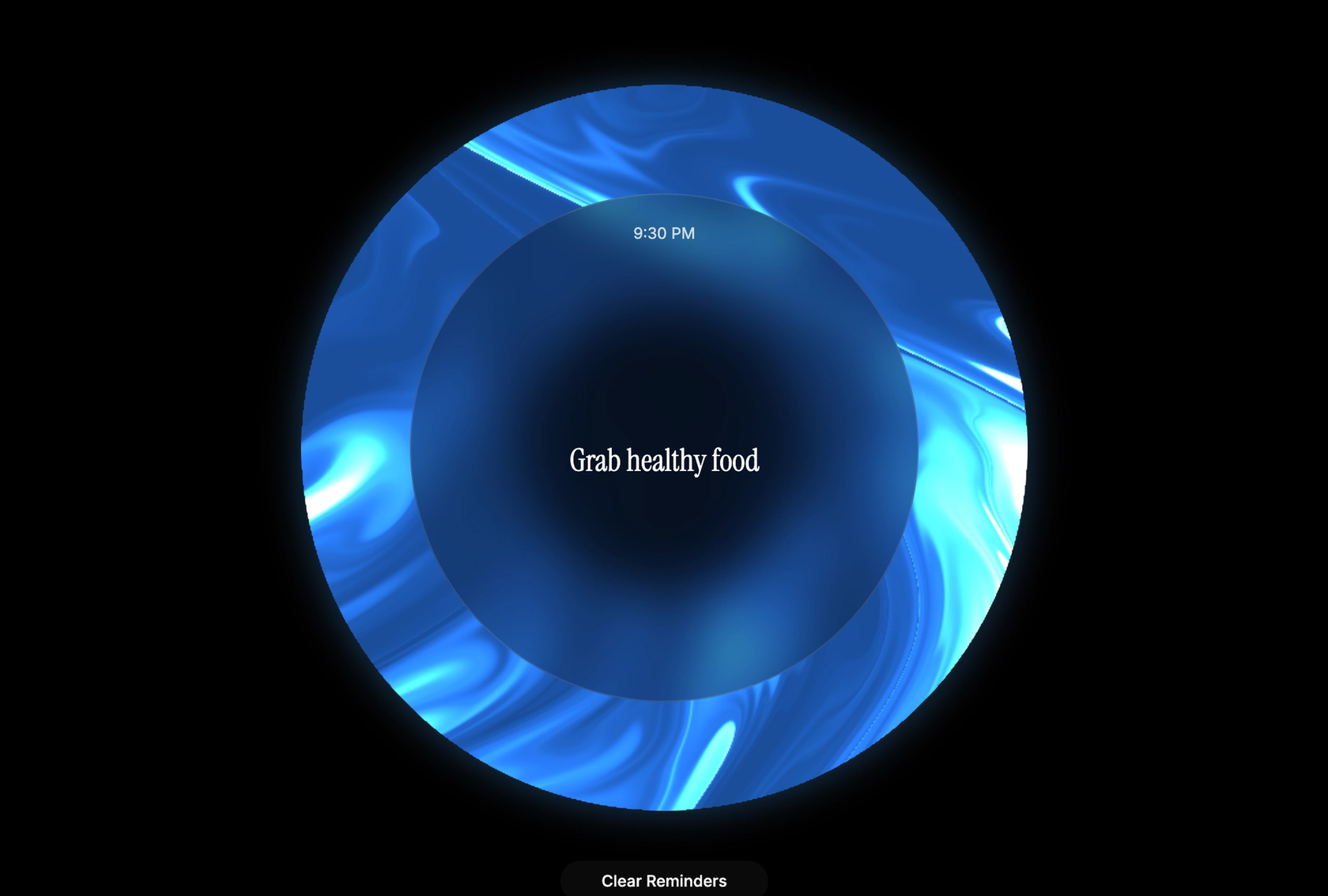
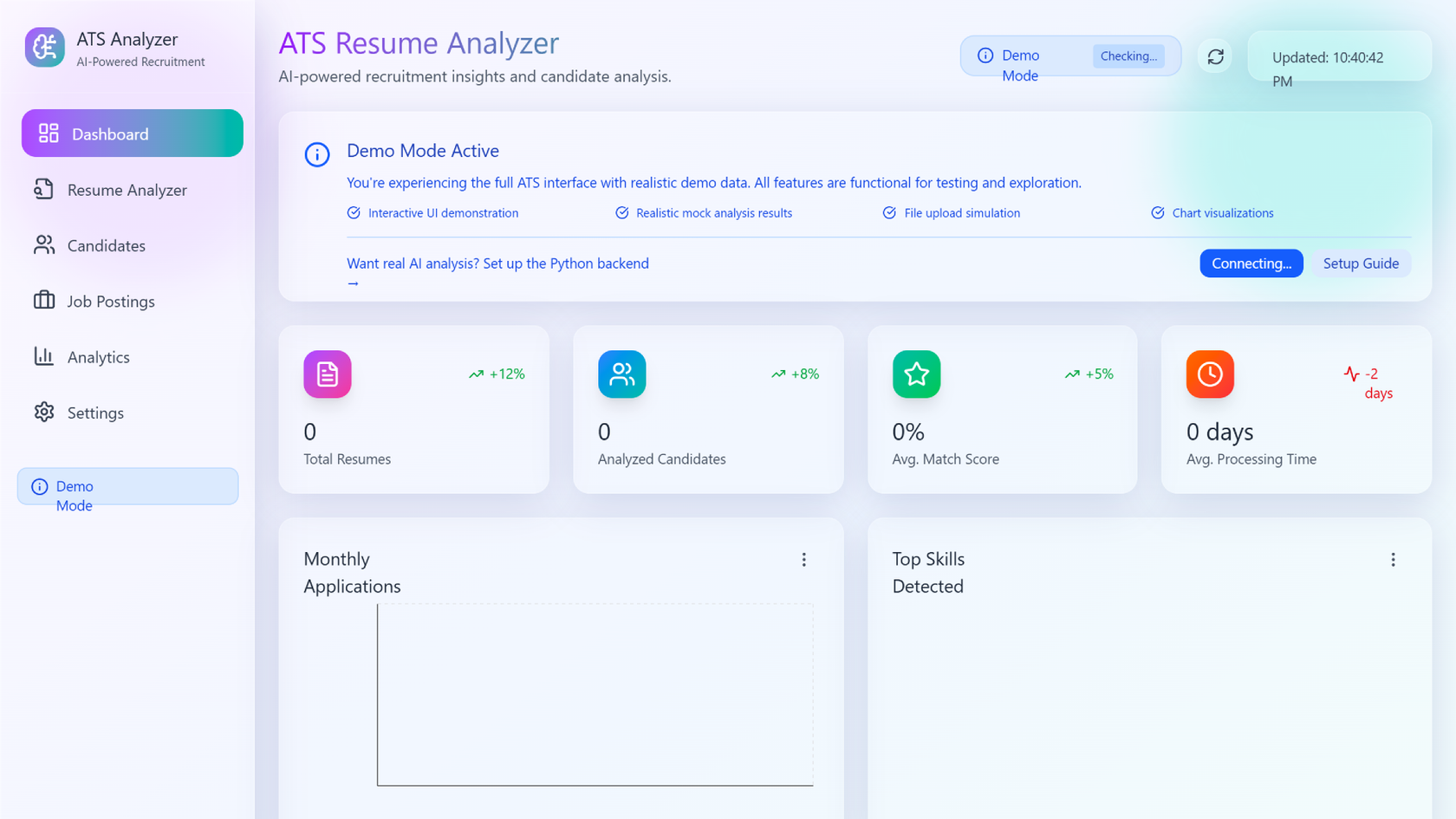
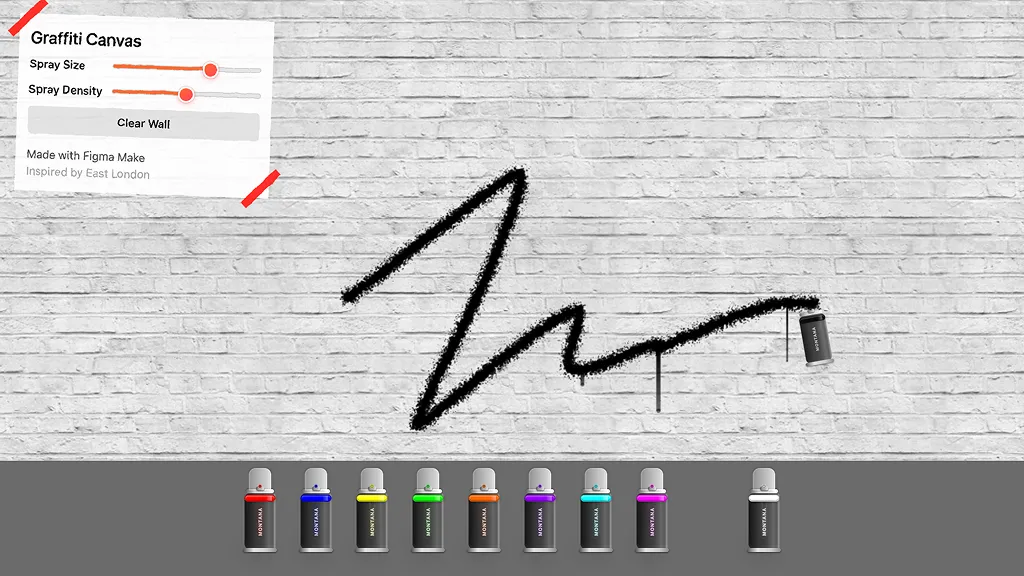
See how makers, designers, and PMs are using Figma Make to build no-code web apps—from internal tools to product MVPs.
- Jacques Debeuneure Jr.
- Daniela Muntyan

- kishoree04u

- Seungmee Lee







How to generate product test cases in Figma Make
FAQs
From the blog

7 tips for using Figma Make credits more efficiently
While everyone’s talking about “tokenmaxxing,” we’ve compiled seven best practices to help you build smarter—without prompting more—in Figma Make.
How Figma AI tools helped us bring extra delight to the canvas
For our annual April Fun Day, we used Figma Make, Weave, and MCP to build six mini games that captured the spirit of play. Here’s what we learned.

Build with more context and more control in Figma Make
Starting today, Make kits and Make attachments bring context into Figma Make, so prototypes start from real components, data, and constraints.
6 designs that reimagine how we interact with software
From a multiplayer embroidery sampler to a photo booth that works across time zones, this year's Make-a-thon winners offer new ways to connect, reflect, and play through software.

3 ways product teams are building conviction faster with Figma Make
From communicating complex behaviors to pushing the edges of an idea, product managers at ServiceNow, Ticketmaster, and Affirm are using Figma Make to prototype their way forward.
Workflow lab: AI image tooling and interactive prototyping in Figma
A workflow to try—bringing together precise image editing, Vectorize, and interactive prototypes to move from concept to crit to completion faster.
More resources

What is MCP?
Read articleLearn about Model Context Protocol (MCP), the open standard that simplifies AI integration like a USB-C for data.

What is Vibe coding?
Read articleVibe coding combines mood-driven design with seamless coding to create immersive digital experiences that connect emotionally and function flawlessly.


How to design an app in five steps
Read articleBuilding an app requires research and constant iteration to meet customer needs. Learn how to design an app and how Figma can help in this guide.