
Speaking the language of color


The Pantone Color Institute explains how brands can use color to shape meaning and drive trends.
Share Speaking the language of color
Illustrations by Matija Medved
Every color has a connotation. It’s the reason why you might paint a nursery yellow, buy a red sports car, or put on a black dress—we’ve all been conditioned to see, understand, and describe colors in certain ways. “Color is tied to our emotions and how we interpret the world,” says Laurie Pressman, Vice President of the Pantone Color Institute (PCI). “It’s a language that reflects what’s taking place in culture.”
Founded in 1986, PCI comprises a team of color psychologists and trend forecasters—sometimes called “color anthropologists”—located around the world. Their research feeds into everything from the brand’s PANTONEVIEW trend books, to design tools like Pantone Connect and their iconic physical formula guides, to the globally watched Pantone Color of the Year program. All of these resources make PCI one of the most influential forces in how color moves through the world. So how does someone in product design, fashion, food, beauty, home interiors, automotives, or another industry begin to speak the language of color? Laurie says it all boils down to two things: “What message am I trying to convey? And how do I use color to help me get there?”
Color is tied to our emotions and how we interpret the world. It’s a language that reflects what’s taking place in culture.
How colors move us
The answers start with color psychology, or how we form our subconscious reactions to color. Unsurprisingly, a large part of this understanding stems from nature. Yellow radiates the warmth and joyfulness of the sun. Green signals renewal and growth, while brown brings a sense of rootedness. Blue—the most universally pleasing color, according to Laurie—earns its sense of dependability through the sky’s constant presence. Flavors come into play, too: Orange reminds us of the fruit, so we associate it with tangy sweetness. “Colors that reflect our natural world have more staying power,” says Laurie.
Virtually every part of culture plays into our color sensibilities, too. Blockbuster movies, emerging artists, aspirational travel destinations, and even popular sporting events influence how we feel about different colors. So do lifestyle trends, new technologies, and the broader social climate. When economies tighten, palettes tend to shift.
Like any language, the language of color comes with its regional dialects. While black is worn at funerals in the West, mourners in the East wear white. Depending on the context, red can convey love, anger, or urgency in the West; in the East, it’s associated with luck, prosperity, and celebration. Brand and marketing teams can’t just follow color trends or assume universal meanings. “Someone seeing a product on the shelf in Japan versus France is going to have a different color sensibility,” says Laurie, “because they’ve built up certain associations.”

Telling a brand story

The colors of Config
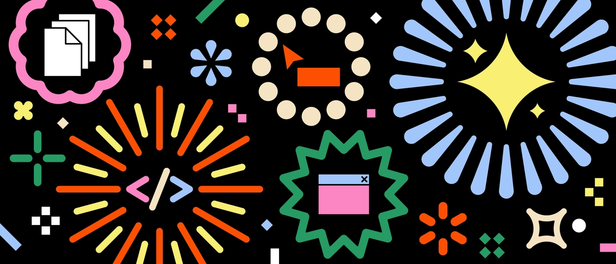
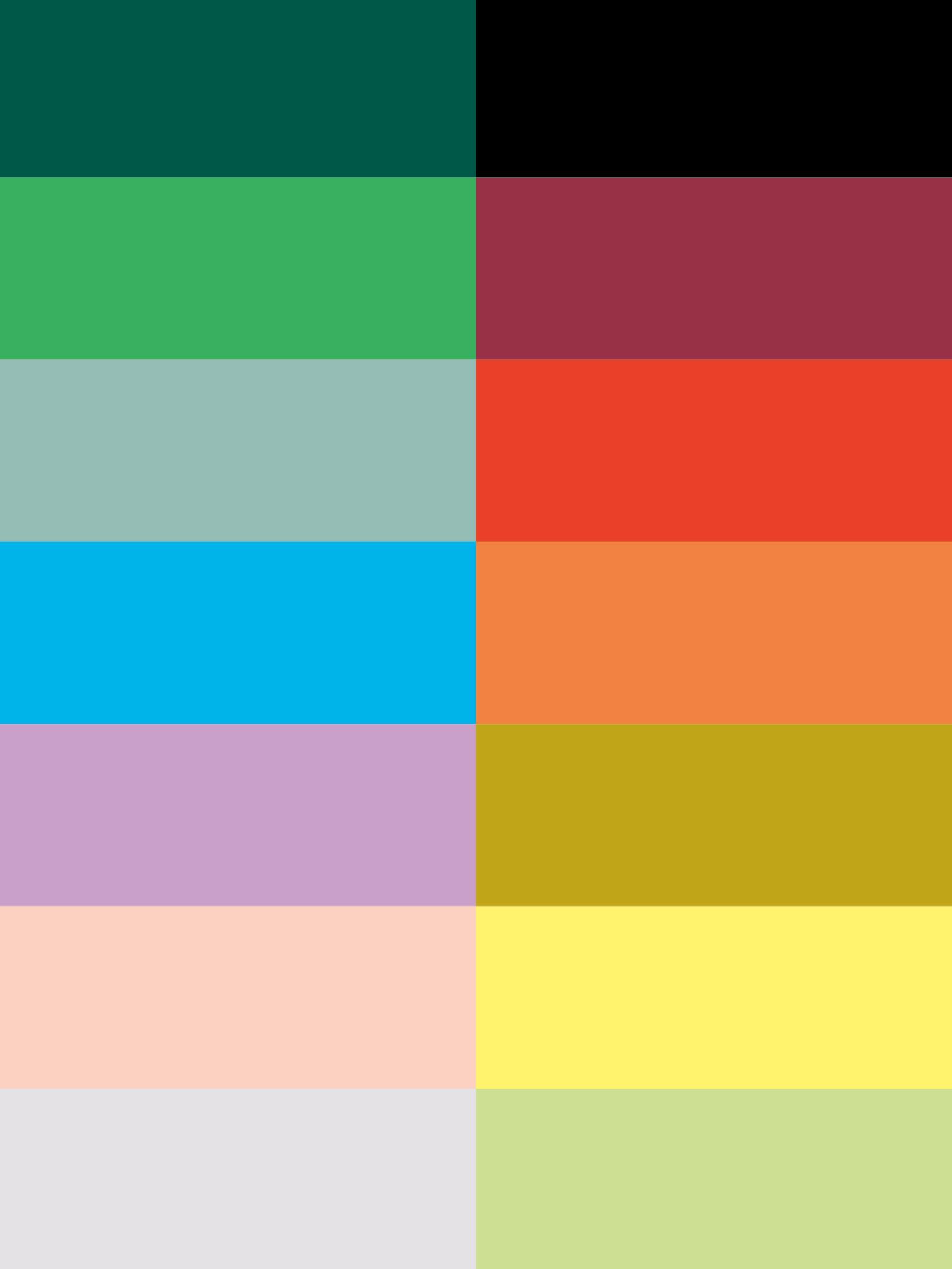
Laurie describes the Config color system as a cornucopia of color. “Energizing brights; soothing pastels; and earthy, aquatic, nature-based tones link the physical world to the digital realm,” she says. “This kaleidoscope of hues inspires us to explore and express, to celebrate all things visionary and create a colorful future full of hope and possibility.”
The most effective brand color stories reflect what a company stands for. Coca-Cola, for instance, wanted to convey excitement and energy, and its shade of red has become so recognizable that it’s become synonymous with the brand itself. Or take the more instructive example of Airbnb: In 2014, the company made a controversial pivot, swapping its existing baby blue for a salmon pink tone. “There was so much clamor at that time,” says Laurie, “But I thought, ‘No, this is really lovely.’ This is about humanity. This is about connecting people. There can be a fear factor with going into someone’s home, so you have a color that greets and comforts people.” When Airbnb introduced Experiences in 2016, connecting travelers with local culture, the warm, whimsical palette made even more sense. It had paved the way for the brand’s next chapter.
Then there’s Brat Green, the now-iconic shade that defined Charli XCX’s 2024 album and became its own cultural moment. Laurie traces that particular yellow-inflected green back to 2017, when Pantone began spotting it as an outlier in fashion, picked up by designers with a contrarian flair. “As technology becomes more entrenched in our lives, we look for authenticity, honesty, and things that are organic,” she explains. Brat Green carries that tension: It’s a shade that might once have read as putrid or sickly, but it’s also the color of new buds breaking through the ground. “There’s that bold spirit,” she says, which is necessary to break through on today’s social media platforms, “and the yellow undertone adds vitality.”
Colors don’t exist in a vacuum. They show up differently depending on the material, medium, or surface. Something that resonates on a screen may look garish in person; a hue that exists in fabric dyes may not be achievable on, say, a Band-Aid. “This is why you must consider color at the inception of the design process,” Laurie advises, “so you can make decisions with full context of the material and surface finish on what it will appear.”
Capturing the zeitgeist

Every year, PCI announces the Pantone Color of the Year. The educational program has spanned over 26 years and is arguably the most closely watched color decision in the design world. The selection, Laurie emphasizes, is anything but arbitrary. “It’s a culmination of the macro-level color trend forecasting and research our global team conducts year-round,” she says, explaining that it tracks shifts across all areas of design, all facets of culture, and all the ways we’re living today. “It’s a color that expresses a mood and an attitude on the part of the consumer, a color that reflects what people are looking for that color can hope to answer.”
For 2026, that color is PANTONE 11-4201 Cloud Dancer, a soft, natural white with an equal amount of warm and cool undertones, which makes it both versatile and enduring for a range of environments. The name alone is evocative. “Cloud Dancer is all about respite and relaxation,” Laurie says. “It speaks to our feeling of being overwhelmed and overstimulated from our 24/7 world, our desire to disconnect and rest. This was about getting clarity, focus, and room to breathe, so we could make way for new ideas and insights to emerge.”
In our current era, Laurie says, many of us crave simplicity and peace. “This is driving us to calmer colors and earthier shades tied to nature—as well as bright and bold shades that energize and empower us to charge ahead when so much is coming at us,” she says.
Colors have always spoken to us, subtly shaping what we take in and what we decide to do next. By learning to speak the language of color, brands and creators can make the stories they’re telling more legible—and ultimately, more powerful.

This article was featured in our annual print magazine, Start Anywhere. Explore the digital version, or purchase a copy.