


Welcoming Payload to the Figma team



We're thrilled to announce that the team behind Payload, a leading open-source headless content management system (CMS) and application framework, has joined Figma.
Share Welcoming Payload to the Figma team
At Config 2025 Dylan Field runs down everything we launched at Config 2025 and explains why pushing design further matters more now than ever.Config 2025: Pushing design further
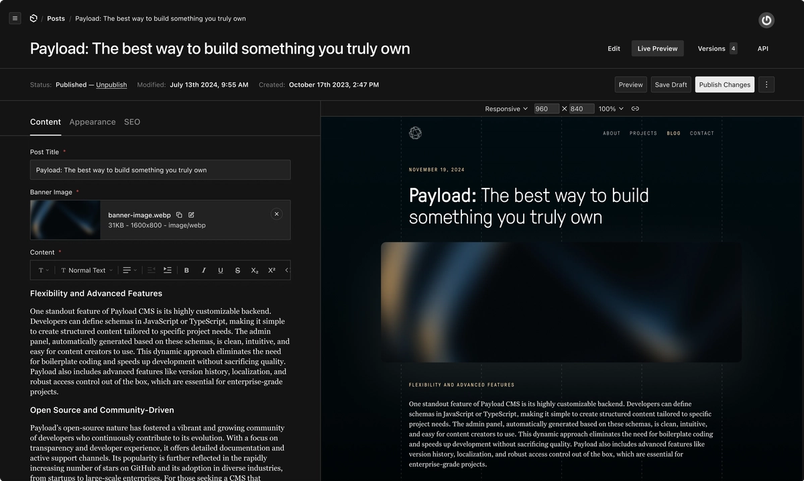
Together with Payload’s developer-focused mindset and tools, we’ll be able to supercharge what we offer developers across both our platforms.

When we announced Figma Sites Today, we’re launching Figma Sites, an all-in-one tool for you to design and build custom, responsive websites. Here, we share how you can go from design to production in the most efficient—and expressive—ways.
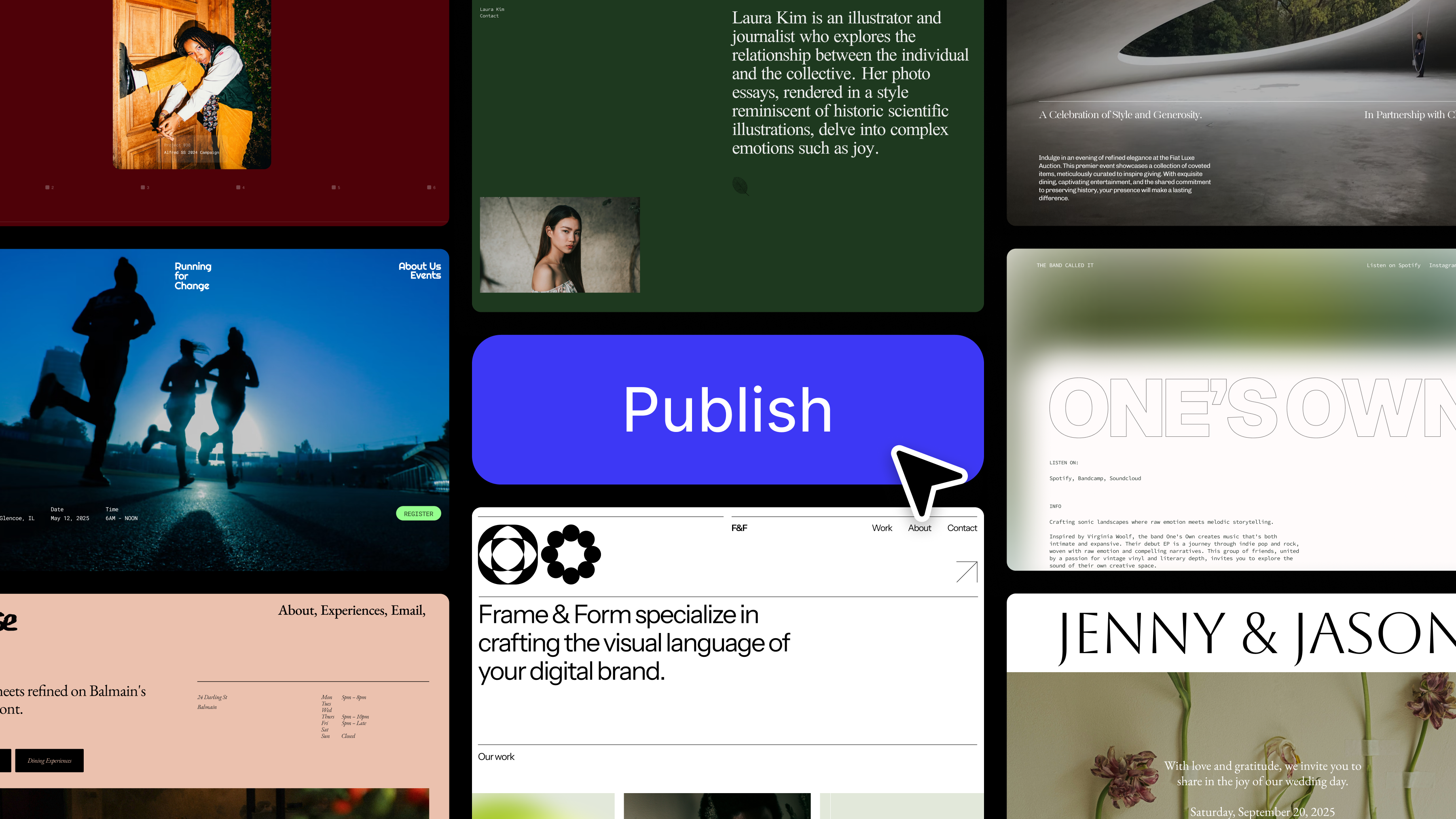
Publish your designs on the web with Figma Sites
Developers have flocked to Payload because you can customize pretty much anything, extend it however you need, and the developer experience is just plain better than the alternatives. That’s why it’s become one of the most popular open-source projects in its space, and we're excited to bring that same flexibility and power to the Figma community.
I’ve been blown away by this team, their product, and the trust they’ve built in just a few years. The fact that Payload is already used by several Fortune 100 companies is a testament to that.
Beyond that, one of the things that impressed me most about Payload was how deeply they care about their open source community. They’re always engaging, shipping improvements based on feedback, and have built a real connection with developers. We built Figma around the belief that great design happens through collaboration and community feedback, and Payload has done the same—creating a thriving open-source ecosystem where developers contribute, share knowledge, help evolve the offering, and collectively push boundaries. This shared philosophy has made our partnership feel natural from day one.

Payload will remain an open-source product. In the immediate future, nothing is changing for users. We will continue to actively invest in and improve the open-source project, and will communicate early and often with users of both Figma and Payload as we develop our CMS strategies and product roadmap, together.
The future of design and development is increasingly collaborative. We want Figma to be a central hub for digital product creation, where you can build and deploy what you create directly within our ecosystem. As AI has made it easier to generate more code and content, the ability to control what you deploy across channels and fine tune your end users’ experiences becomes even more important. Teaming up with Payload brings us a step closer to that vision by bridging the gap between design and development that has traditionally slowed product building teams.
We are excited to welcome the Payload team to Figma, and can't wait to see what our combined companies and communities build together.
Kris Rasmussen is the Chief Technology Officer at Figma, where he leads the engineering, security and data science teams. Prior to joining Figma in 2017, Kris served as engineering lead and a technical advisor at Asana, where he co-authored many aspects of the framework and infrastructure that powers the company's realtime collaborative features. Before Asana, Kris co-founded RivalSoft Inc., a web-based application that gives companies an internal hub for market information, and served as Chief Architect at Aptana.