
Our Config 2026 speakers on the biggest opportunities with AI



Here’s a first look at our speakers and how they’re interrogating craft, quality, and intention in an AI-powered world.
Share Our Config 2026 speakers on the biggest opportunities with AI

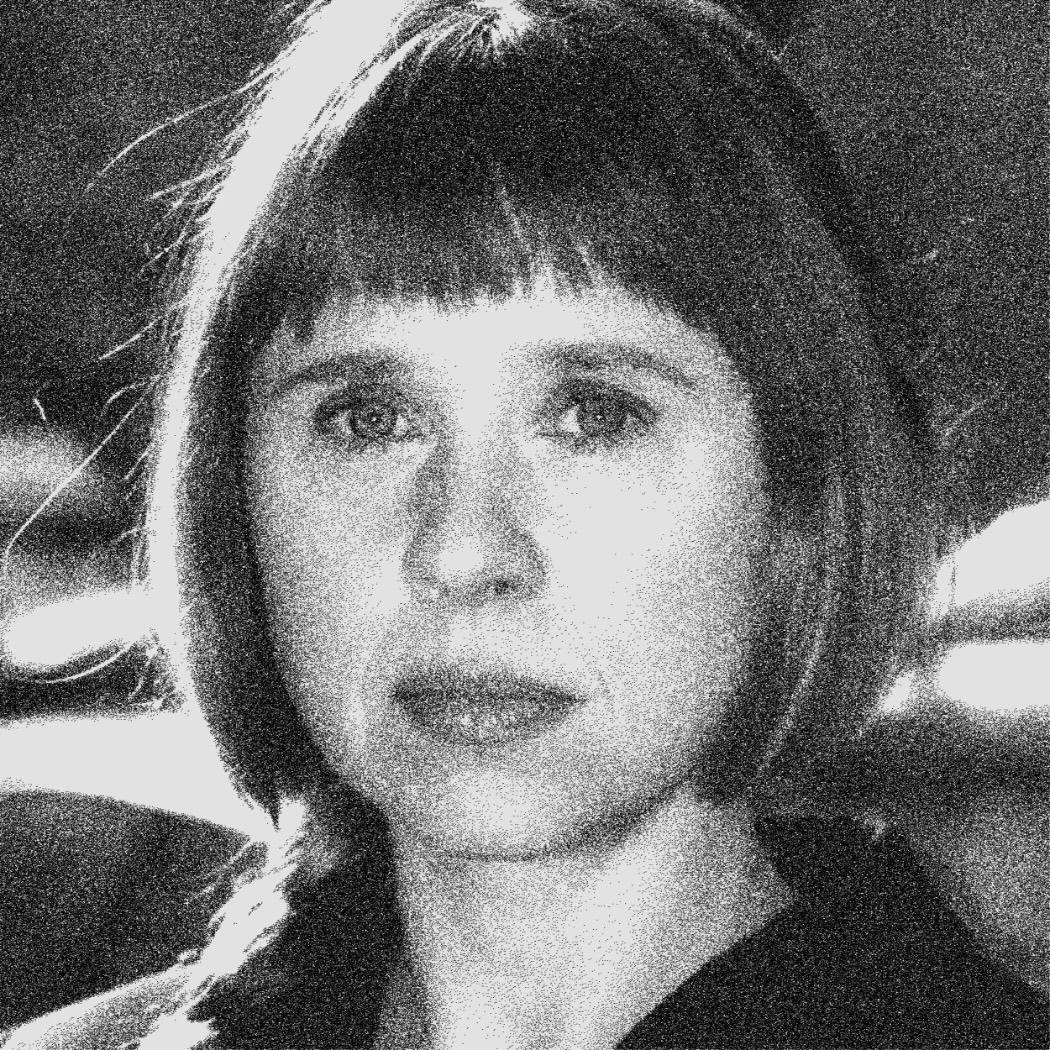
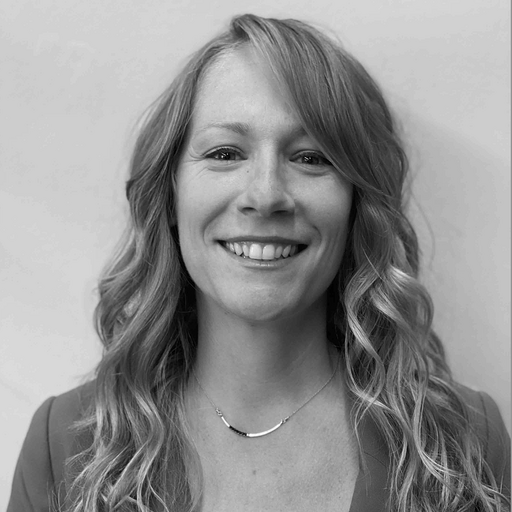
Holly Herndon co-runs an art studio in Berlin with her partner Mathew Dryhurst. They co-founded Spawning, an organization building AI tools for artists, and were awarded the 2022 Ars Electronica STARTS prize for digital art for the Holly+ project. She has been on Art Review’s Power 100 list since 2021 and holds a Ph.D. in Computer Music from Stanford.
From a pioneering AI artist, to the creator of one of YouTube’s most popular math and science channels, to a veteran designer with roots in behavioral science, this year’s Config speakers challenge us to reimagine work and creativity in 2026.
We asked a few of them where we should be investing energy as AI speeds everything up and unlocks new creative possibilities. They’re playing with process, questioning old narratives, and broadening the impact of what they create.
On pushing the outer limits of craft and creativity


Danit Peleg is the founder of 3D Printed Fashion Lab, which integrates AI to 3D print soft, wearable textiles on demand, with zero waste. Her work has spurred collaborations with luxury and sportswear brands, received two patents, and been featured in Vogue, The New York Times, and Forbes. Danit is a TED speaker and was named one of Forbes Europe’s Top 50 Women in Tech.
“I see software as one of the defining artistic mediums of our time. With the help of AI, our studio is building more complex software projects than were previously possible,” says Holly Herndon, a renowned artist and composer known for her experiments with music, software, and machine learning. “It’s exciting to see our capacities expand, and to shift our roles to become orchestrators.” Holly and her partner Mat Dryhurst blend art and algorithm: Their recent work, Starmirror, first staged at the KW Institute for Contemporary Art in Berlin, recorded vocals from exhibition visitors and local choirs to form a dataset that will train a new AI choir—reimagining AI models as public, collective endeavors. Projects like Starmirror literally keep a human in the loop by inviting more people to not just participate in model inputs, but also play with the outputs.

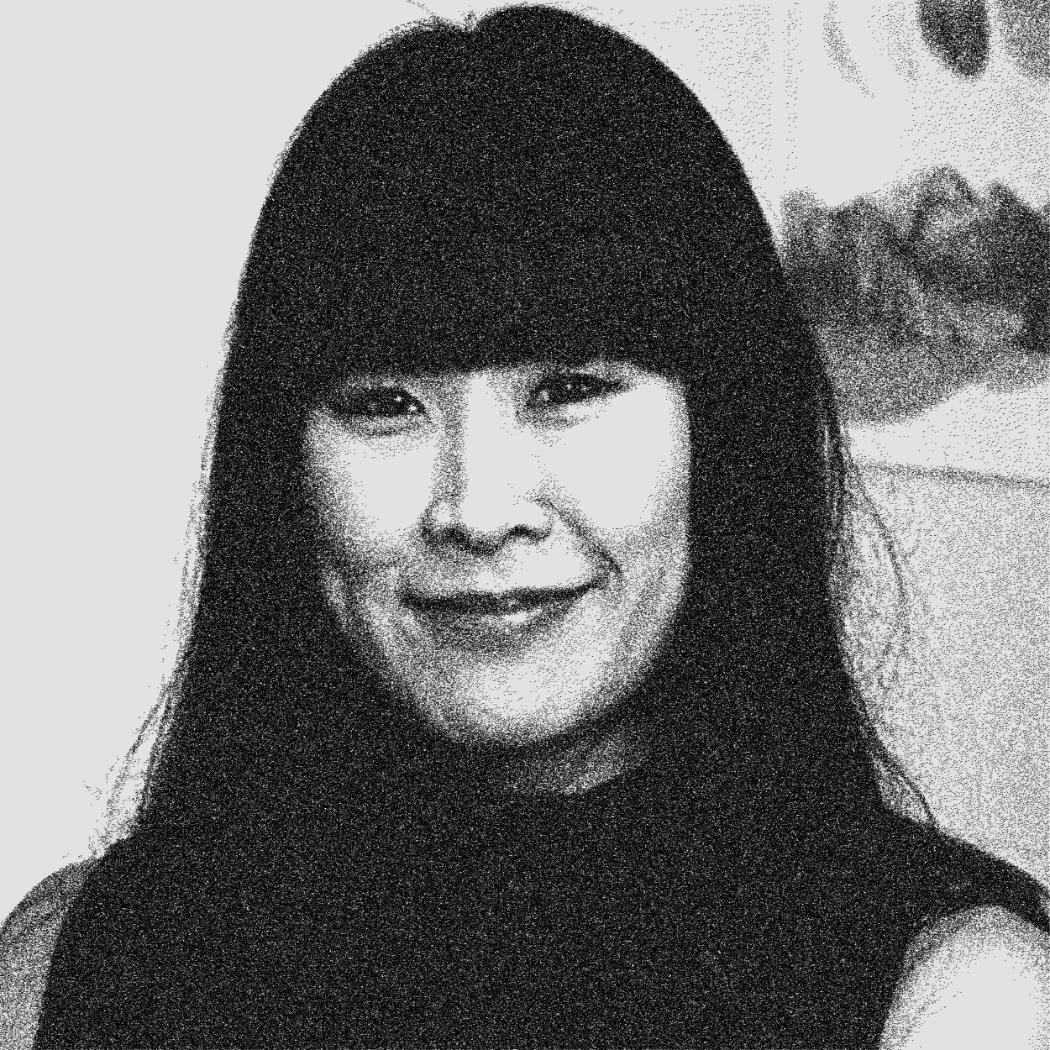
Vicki Tan is a designer with prior experience at Pinterest, Spotify, Headspace, Lyft, and Google. She is the author of Ask This Book a Question, an interactive guide to decision-making. Her work explores the relationship between behavioral science and product design, with a special interest in how people engage with technology in their daily lives.
Creator of the world’s first 3D-printed fashion collection Danit Peleg also sees an opportunity for AI to bridge digital and physical realms. “We’re entering an era where AI doesn’t just design on a screen, but also drives real-world manufacturing, architecture, and fashion,” she says. “We are going to see AI literally making things in the world.” Using Figma Weave Figma has acquired Weavy, a platform that brings generative AI and professional editing tools into the open canvas. As Figma Weave, the company will help build out image, video, animation, motion design, and VFX media generation and editing capability on the Figma platform.Introducing Figma Weave: The next generation of AI-native creation at Figma
For designer and author Vicki Tan, writing her new book highlighted the parallels between creativity and decision-making: “In both, you’re moving forward on a feeling, often without certainty, following a question to see where it might lead. They are processes that ask you to change how you see yourself along the way.” Being creative, she suggests, asks you to stay open and attuned to your own taste, expertise, and instinct.
“People talk about creativity as originality or talent, but I think it may be closer to care or attention,” she says. “There’s a related word in French, attendre, which means ‘to wait for’ or ‘to tend to,’ and I like thinking about creativity as the act of tending towards an idea, allowing meaning to reveal itself in time. Instead of searching for something entirely new, begin with noticing what already feels yours.”
People talk about creativity as originality or talent, but I think it may be closer to care or attention.


Matthew Ström-Awn is a designer and strategist at mu.design, helping early-stage and high-growth companies in AI, fintech, and consumer software. He’s also an editor for the W3C Design Tokens Community Group, where he contributes to emerging web standards. He’s previously led teams at Copilot Money, Stripe, and a number of early-stage startups.
On defining quality
Designer and founder of mu.design Matthew Ström-Awn believes that as ideas become easier to execute, who defines quality will change. “We’ve always celebrated individual designers as paragons of quality, but those who spoke loudest or most often got the most mindshare,” he says. “Now that anyone can go from idea to working software in hours without the backing of a world-class engineering team, the old signals of credibility—a job in FAANG, a big subscriber list, a nice logo wall, and slick sizzle reel—aren’t sufficient.”
Instead, the new test of quality will be how products behave in the real world. “Quality should be defined by people who deliver real software, real brands, real campaigns, and real impact,” says Matthew. “Shipping isn’t inherently virtuous. Shipped work has to survive contact with actual users, markets, and constraints.”
Shipping isn’t inherently virtuous. Shipped work has to survive contact with actual users, markets, and constraints.

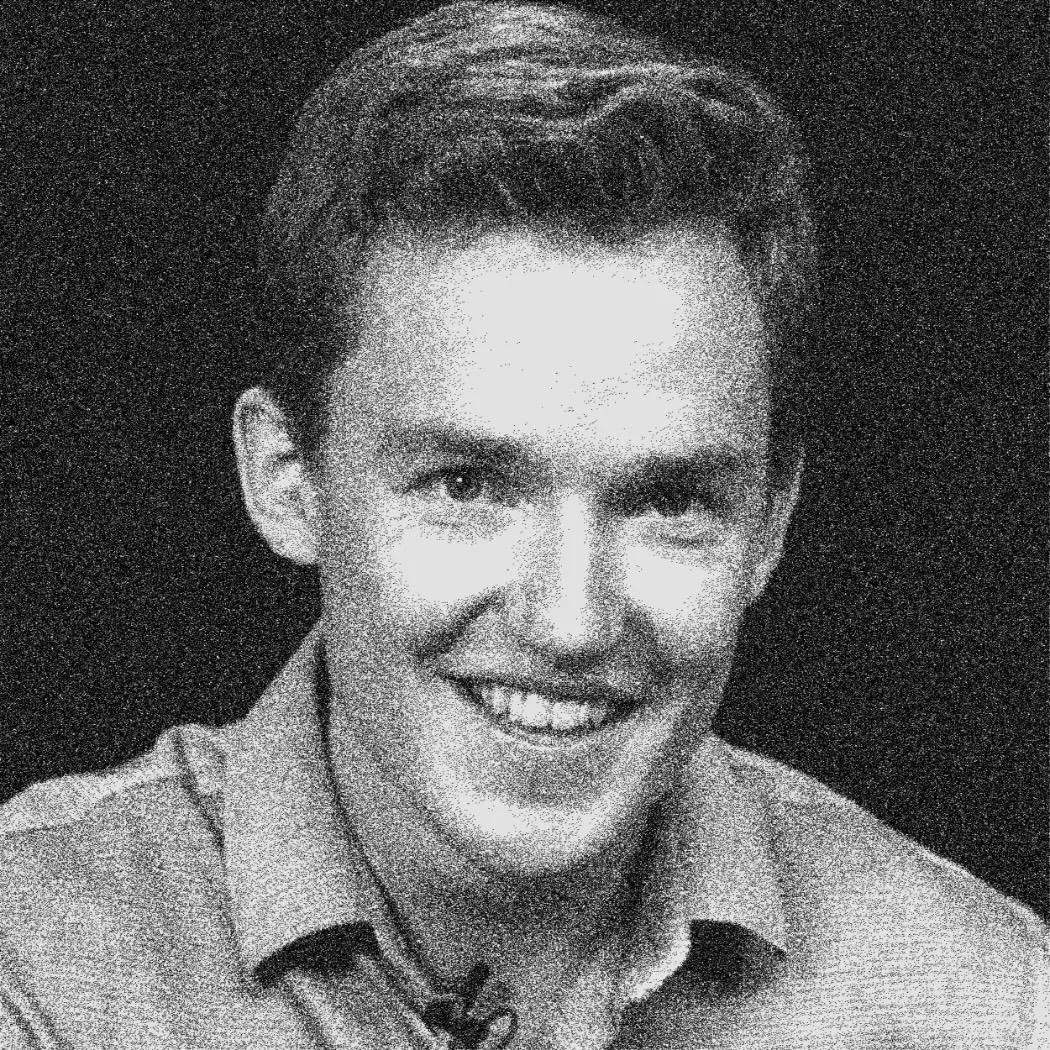
Grant Sanderson is the creator of the YouTube channel 3Blue1Brown, which offers over 8 million subscribers an animated approach to visualizing mathematics, computer science, and physics. He created the open-source Python library Manim to power the visuals for the videos. He has worked for Khan Academy, lectured at MIT, and contributed to many other popular math outlets.
“The fact that software implementation is on a path to be commoditized and largely automated means design plays a more important role in product development than ever,” says mathematician and educator Grant Sanderson, creator of the popular YouTube channel 3Blue1Brown, which uses animated visualizations to unpack complex concepts in math, physics, and computer science—from how neural networks are structured to summaries on quantum computing.
In his view, products that give users more agency and flexibility—rather than limiting them to a few actions or workflows—will stand out. “Truly great products offer a foundation for making their users swifter in a wide range of tasks,” says Grant. In this sense, quality means letting users adapt the tool for their own workflows.
On who we’re building for—and why
We are quickly moving towards a future where not all users will be human, which means designers need to reconsider who they are building for. “What happens when most of your users are AI agents?” wonders Matthew. “What happens when your human users expect everything to be easily automated? What happens when your users can easily vibe-code replacements for the parts of your app that aren’t a perfect fit for their use case? Product strategy—not just how to build fast and at quality, but what to build and for whom—is the existential question.”
Vicki echoes this sentiment, adding that “the role of product builders may evolve toward orchestration: not just coordinating AI agents, but designing tools and spaces where many kinds of expertise can contribute in tandem.” She urges us to think about building systems not just for personal productivity, but for services that shape communities, like public transportation or medical care. “There is already enormous wisdom in how people live within these systems,” she says. “Our job is to create structures that can hold and shape it.”
Config returns to San Francisco June 23–25, 2026. Grab your in-person ticket today or register for free to watch virtually from anywhere in the world.