




An IDC study shows just how central design has become to development leaders.
Share Why development leaders are investing in design
What does it take to consistently ship great products? For many development leaders, the answer is evolving. To understand this shift and its broader impacts, we commissioned research from the International Data Corporation (IDC)—surveying 500 development leaders across North America and Europe and augmenting with qualitative interviews. While we expected to hear about expanding responsibilities and the growing impact of generative AI, we were struck by how often respondents cited design as a focal point—not just as a defining factor in product success, but also as a key part of the product development process.
Leaders who rated design as “extremely important” were five times more likely to say their last project far exceeded expectations. Those same leaders also pointed to stronger collaboration with design as key to faster cycles, closer alignment, and better products. As AI tools evolve, design is playing a growing role in maximizing the potential of AI outputs. In a landscape where roles are shifting and expanding, design quality, clear communication, and cross-functional partnership are emerging as real competitive advantages. Here, we explore how successful teams are navigating these changes, and what we can learn from their example.

IDC’s research consisted of a quantitative survey of over 500 development leaders responsible for managing teams between 20 to 500+, and qualitative interviews with 14 senior software developers across North America and Europe.
Dive into the full study here.
The business case for design
As teams ship more products at a faster pace—driven by competitive pressures, internal demand, and generative AI’s ability to speed up product development—leaders are finding that strong design craft helps them stand out in a crowded marketplace. In fact, in IDC’s study, 75% of respondents said design is “very” or “extremely important” to software development. When asked about the key business benefits of focusing on design in product development, the most common benefits were improved customer retention, higher customer engagement, and increased product innovation. And, leaders that said design was extremely important were 5x more likely to say their last project far exceeded expectations.


75% of development leaders said design is “very” or “extremely” important to contemporary software development.
The data reveals that design has evolved from an aesthetic consideration to become a strategic driver of business results—one that leaders are actively investing in. As one Chief Data Officer in the financial services industry put it: “Design is now a strategic differentiator, impacting customer satisfaction, employee productivity, accessibility, and data-driven decisions—it’s recognized as having business value.”
Designer-developer collaboration drives better products
With design quality now recognized as a core driver of product success, organizations are rethinking how development and design teams can work together to deliver it. Given increased velocity and competitive pressure, development, leaders are discovering that collaborating with design teams from the outset accelerates time to market and improves the final product. Rather than working in isolated swim lanes, development and design teams are now aligning on scope from the start, making trade-offs together, and iterating in real time. This clear communication between teams throughout the process—not just at handoff points—has reduced friction, sped up the development process, and even improved team morale.


The volume of products shipped is rising—52% of development leaders say their organization has increased the amount of software created over the last two years, with one principal AI engineer in the retail space reporting a 62% growth in output.
54% of leaders said increased design collaboration led to increased innovation, 47% reported improved customer experience, and 43% saw faster time to market. “Seamless design-engineering collaboration ensures user-friendly, scalable solutions, reducing rework and improving adoption,” said a survey respondent who's a Vice President of IT in the healthcare industry.
Seamless design–engineering collaboration ensures user-friendly, scalable solutions, reducing rework and improving adoption.
Leaning on a research method called metaphor elicitation—a qualitative method that uses metaphors and symbolism to elicit deeper feelings—IDC asked leaders to submit images that represented what strong design collaboration felt like to them.


Images selected by respondents to represent what strong developer and designer collaboration feels like
Their options ranged from the poetic to the practical: synchronized swimmers, scaffolding structures, gold stars, and clinical instruments. One leader described it as “synchronization and harmony.” Another said it’s “like building a solid structure from the ground up with strong collaboration and careful planning.” These metaphors reflected clarity, confidence, and a sense of collective momentum—the feeling that when they work well with design, everything else works well too.
Design expertise is essential in maximizing AI’s potential
While AI makes going from 0 to 1 easier than ever, design skills are what turn an initial output into a usable, user-ready interface. Though often viewed as a fast track to a finished product, AI-generated designs are actually requiring more hands-on input from designers—not less. Development leaders said the outputs of these tools require greater design expertise for ongoing evaluation, refinement, and cross-team review. “Human designers are crucial to refine AI outputs into user-centered, effective solutions,” said a survey respondent who’s a Chief Data Officer in the financial services industry. The need for design expertise and intuition showed up most in areas like quality control, user experience, and brand alignment. Across all these findings, a clear pattern emerged: The best results come from teams that view AI as a starting point, not the final step.
Human designers are crucial to refine AI outputs into user-centered, effective solutions.
Design’s role in building AI-powered products


80% of development leaders said that design has become more important to the success of AI-powered products compared to two years ago.
The focus on design craft and cross-functional collaboration is proving just as critical as teams take on AI-powered products Figma’s AI report tells us how designers and developers are navigating the changing landscape.

Figma's 2025 AI report: Perspectives from designers and developers

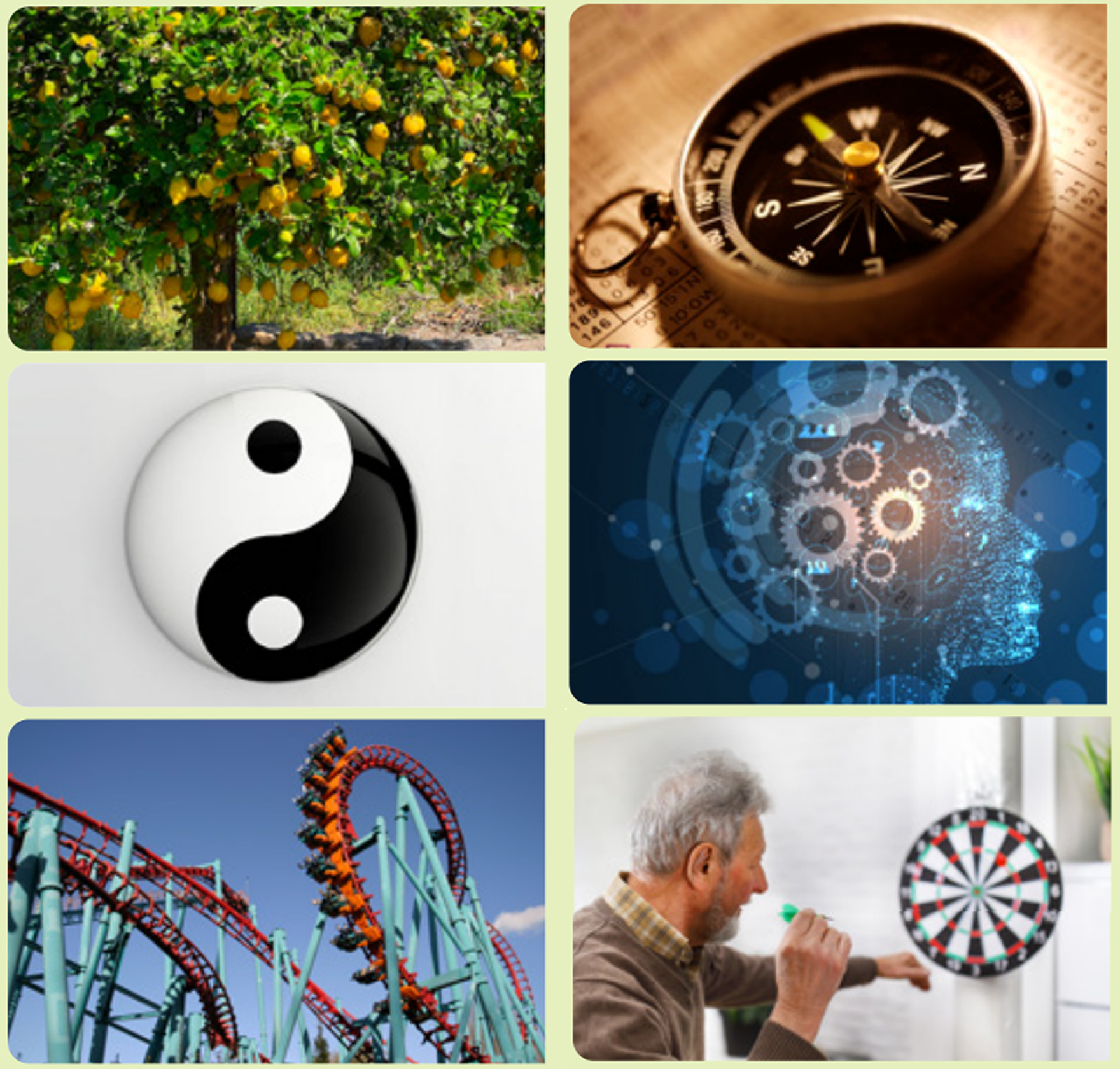
Images selected by respondents to represent leaders' experience building AI-powered products
IDC asked leaders to share images that captured their experience building AI-powered products. Responses included a lemon tree, compass, and rollercoaster, accompanied by descriptions like, “A mix of creativity and deep technical problem-solving,” and “More engineering and design effort but with a better outcome for users.” In the sometimes muddy waters of creating AI products, development leaders are finding that design adds clarity and direction.
IDC’s study confirmed what forward-thinking teams already know: Design is more than just a visual layer—it’s a strategic driver of product success. To stay competitive, teams should recognize design as a strategic business priority, foster more cross-functional collaboration between design and development teams, invest in scalable design practices, and ensure human oversight to refine AI outputs.
IDC InfoBrief, sponsored by Figma, Design-Driven Development: Elevating Software Innovation Through Visual and User Experience Excellence, #US53550125, June 2025