
You never stop cultivating taste



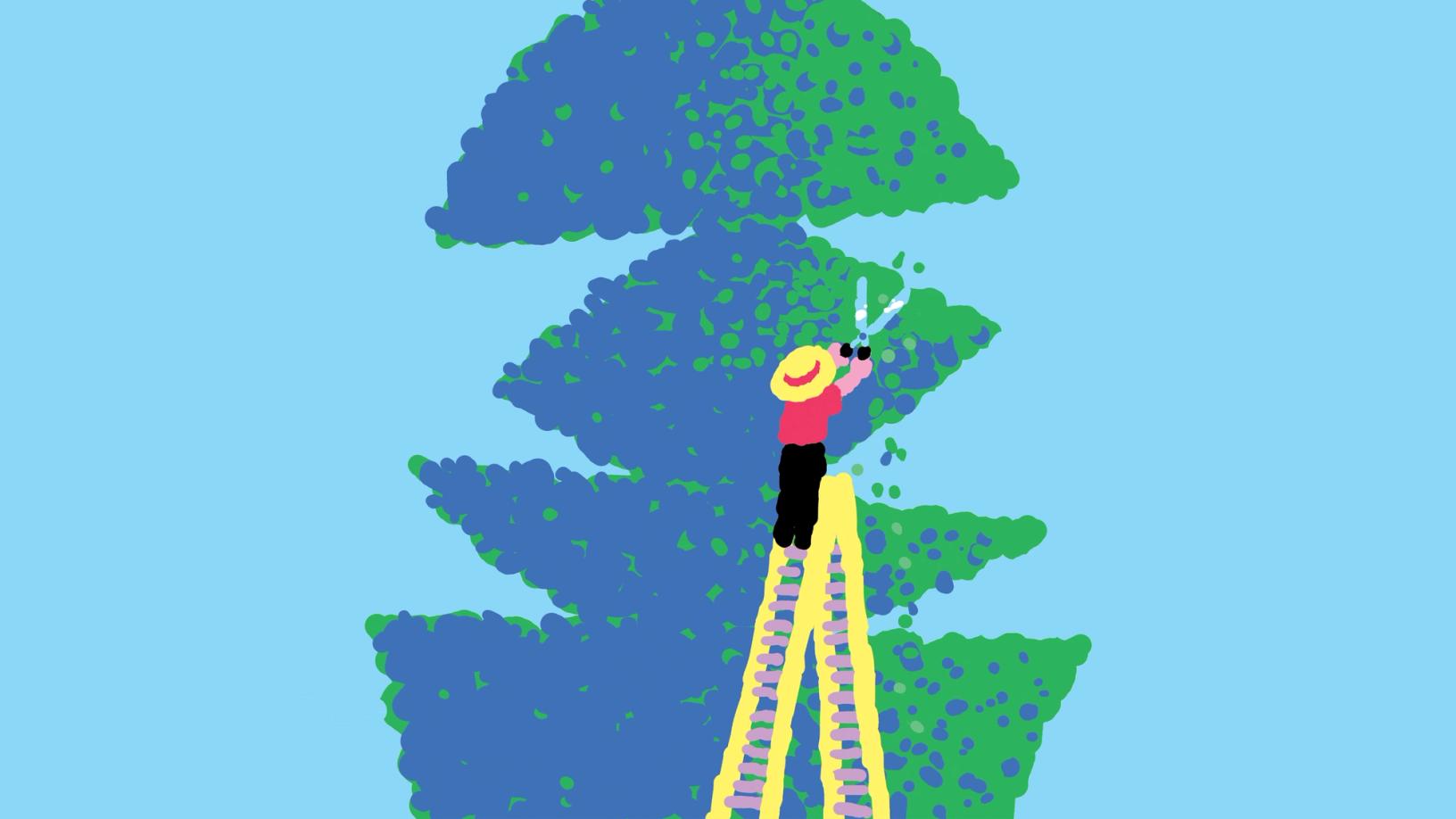
Having the right tools can only take you so far. To become a master of your craft, you need to hone a point of view.
Share You never stop cultivating taste
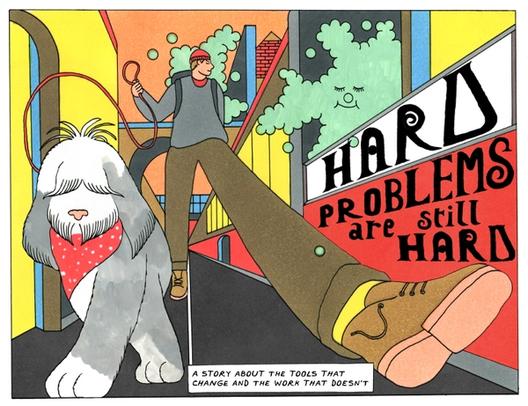
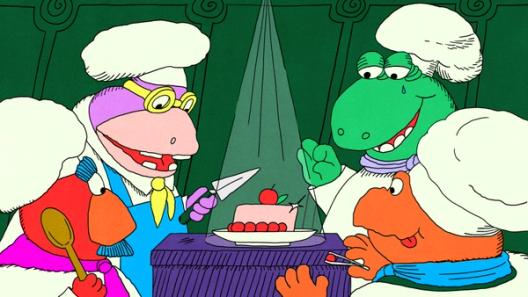
Illustrations by Matija Medved
No matter your medium, it takes time to master your craft: time to understand how your material behaves, time to learn the mechanics of molding it, and time to pick up the relevant tools. AI doesn’t change this. That’s because becoming an expert isn’t just acquiring new skills or techniques; it’s curating a unique way of seeing. This is the most time-intensive part of all—in fact, it never ends.
My own creative journey began when I studied piano and music composition and became a sound engineer. As a student, I wasn’t just playing notes on a sheet. I was learning to make the phrases my own to reach the person listening, to make them feel something. How could I control rhythm to create moments of suspension or build momentum? How could I use dynamics to shape gradual swells or dramatic peaks? Most importantly, why was I making those choices?
Just like playing the piano, design is something you learn through practice. You have to put in the reps—by working with mentors, reacting to feedback, and developing a creative intuition that you sustain through consistent care and attention.

Taste is a form of care
The more we talk about the importance of “taste,” the more it starts to lose its meaning. Still, taste is discernible: You know it when you see it. When we recognize something intentional, refined, cultivated—we say its creator has taste. Taste is built on a unique point of view, and the skill to express it.
When you see examples of exceptional taste—say, Dieter Rams’ work at Braun—you don’t just see the designer’s intent, but his commitment to seeing it through. He didn’t just set out to make a radio; he considered where it would be placed in a room, the objects that would surround it, how it would feel to reach for it. He turned an appliance into an experience.
Having taste doesn’t mean everyone will love your work. Taste is particular. Two designers can have completely different sensibilities and both have taste. What they share is the care and intentionality behind every decision. In the world of product design, taste becomes visible in how you navigate trade-offs: form and function, expressivity and legibility, what to add and what to leave out. The details you choose to invest in, the compromises you refuse to make—that’s where your taste lives.

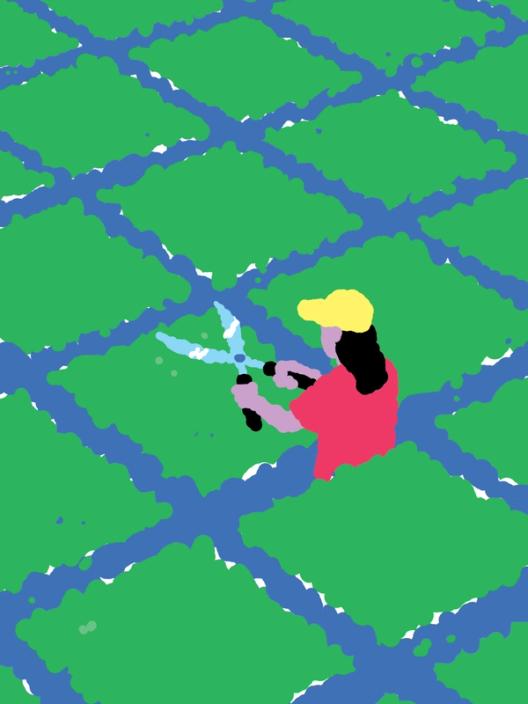
So where does taste come from? It starts with love for your craft. I loved music so much that I spent years developing my own way of hearing. It became something embodied: my fingers recognizing the keys, my ear locking onto the space between notes. In design, that same love shows up when my eyes catch a misalignment, or I respond viscerally to the flow of a page. You first love your craft, then you deepen it, until you’ve made something you’re proud of. This doesn’t happen in a vacuum, which is why design critiques and collaborative work are so crucial to making something great.
The second ingredient is care for the people you’re reaching. As a sound engineer, I would listen to songs I produced on many different types of speakers before calling a master done. As a designer, I look at different screen sizes, color profiles, and interface languages. Taste means sweating the details most people don’t even see: the transition that’s a beat too slow, the empty state only a fraction of your users might experience once.
When I’m hiring for taste, I look for three things:
- Discernment: Can they articulate what’s not working and why? A good answer is nuanced, reflecting a deeper way of seeing than most. Great designers have language for things most people only feel.
- Empathy: Do they think about the person on the other side—not just the screen? The tell is when they describe an interface decision that accounted for something you wouldn’t have thought to ask about.
- Creative energy: Are they always making something? People with taste have a compulsive relationship with their craft—side projects, obsessions, things they built because they couldn’t stop thinking about a problem.
In the end, taste is care: caring for the user, caring for your craft, and caring about the end result. It’s a continual process of discerning between what lands and what falls flat, sweating the details, and being relentless about what you’re making and who you’re making it for.
In the end, taste is care: caring for the user, caring for your craft, and caring about the end result.
AI deepens your creative reserves
Some people worry that AI can abstract away the thinking and labor that makes someone truly good at their craft, but that scenario supposes that we accept the first output as final. Doing so would be unacceptable to someone with a strong sense of taste. Sir James Dyson, for example, is famous for having gone through 5,127 prototypes before landing on the iconic design for the Dyson vacuum.
The right tools close the gap between what you imagine and what you can make. In the recording studio, an SSL 9000 J console gets you a very different mix than a consumer setup; in design, a powerful design system or a fine-control drawing tool gives you the resolution to render your intent. The vision comes from you. AI can help you explore more broadly, but it can’t stand in for your taste.
This is true for every craft or calling. Thinking back to my early days as a pianist, what made the music mine was never playing the correct notes. It was taste. And taste, no matter the medium, is always the same thing: the accumulated weight of intentional choices, repeated over and over again, until what you’ve made could only have come from you.

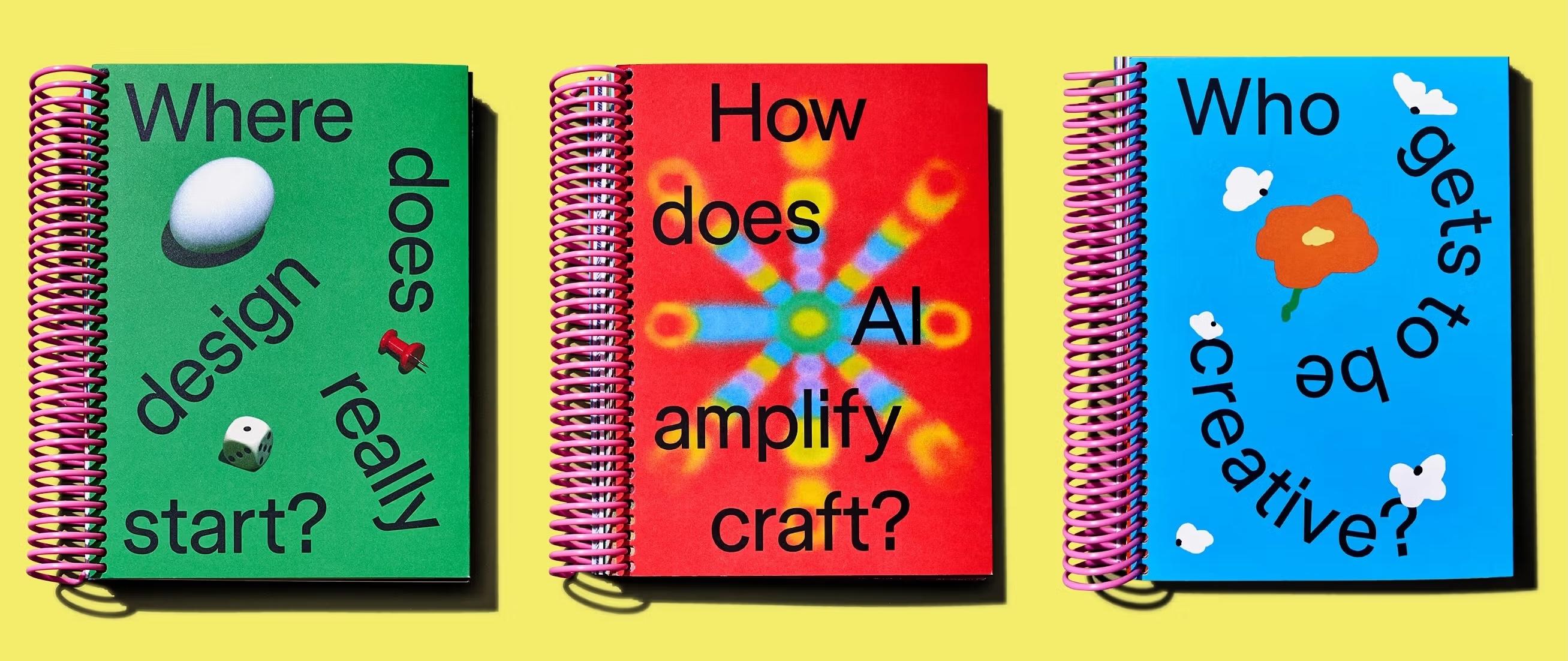
This article was featured in our annual print magazine, Start Anywhere. Explore the digital version, or purchase a copy.
Loredana Crisan is the Chief Design Officer at Figma, where she leads design, UX writing, brand studio and research. Prior to joining Figma, she spent nine years at Meta, where she held product and design leadership roles across Messenger, Instagram and GenAI initiatives. Before Loredana’s career in product and design, she was a musician and sound engineer.