
Meet the artists behind Figma’s Season 5 collection


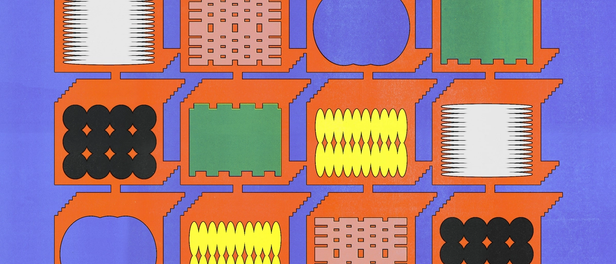
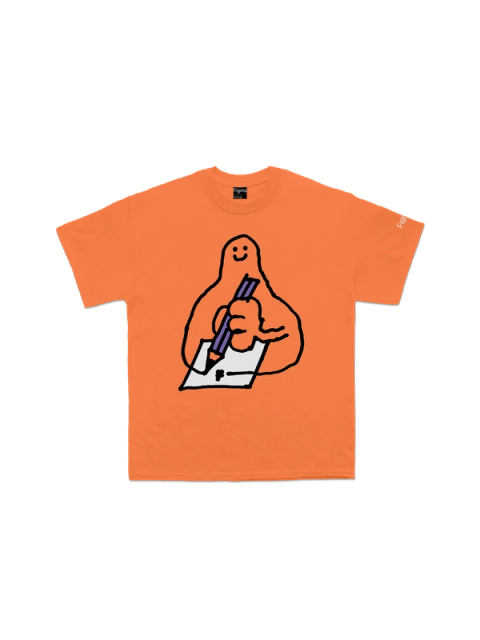
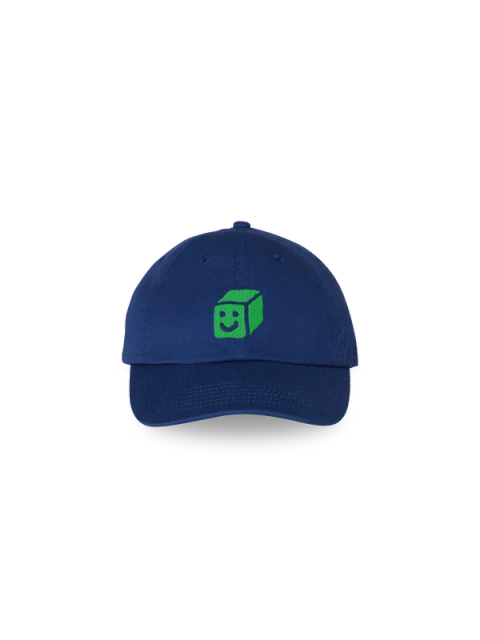
Figma's Season 5 merch is full of surprises—smiling cubes, a tomato with arms, wooden shapes painted in gouache. We asked the eight artists behind the collection how they work, what inspires them, and what they created.
Share Meet the artists behind Figma’s Season 5 collection
Hero photography by Sahra Jajarmijkhayat
Every year, Figma releases a new line of merch to debut at Config Push past what you thought was possible with code layers, Figma Motion, shaders, generative plugins and Weave tools, all on the canvas.
Config 2026: New materials, new tools and a more expressive canvas
- Play: the joy of making without overthinking
- Iteration: what happens when ideas build on themselves
- Tools: the physical act of creating by hand
The Brand Studio team chose artists whose work already spoke to each theme, from Quentin Chambry’s playful, imperfect sketches and Meazo’s spontaneous, childlike characters to Ryan Carl’s iterative geometric arrangements. Together, these artists created our most eclectic collection yet.
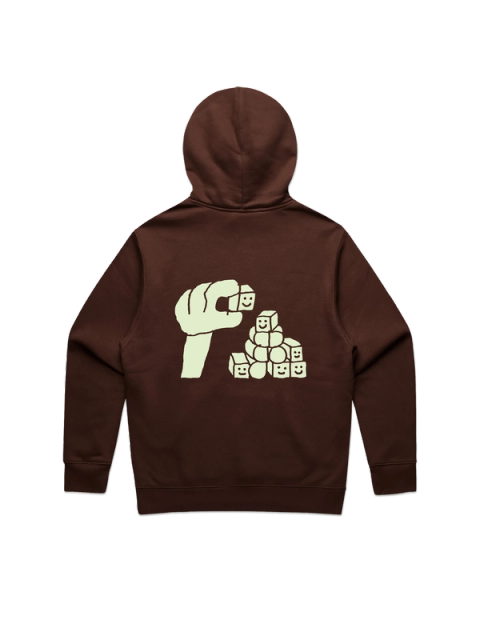
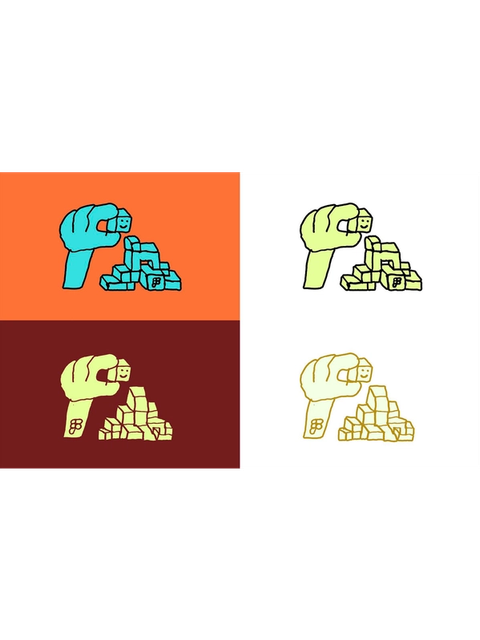
Quentin Chambry
See more of Quentin’s work on his website and Instagram.
Location: Tokyo, Japan
Inspiration: Skateboarding and street culture, graffiti, Japanese ceramics, Tokyo pop culture
Tools: Black marker, white paper
Expression: Play
Approach: “A lot of Japanese art I admire is about repeating a movement to get the perfection out of it,” he says. True to that philosophy, Quentin fills hundreds of pages per session, letting shapes surface on their own. “With a pencil, you can erase, but with marker, there's no way back,” he says. “I want the process to feel exciting. In the end, it's a work of editing and exploring.”






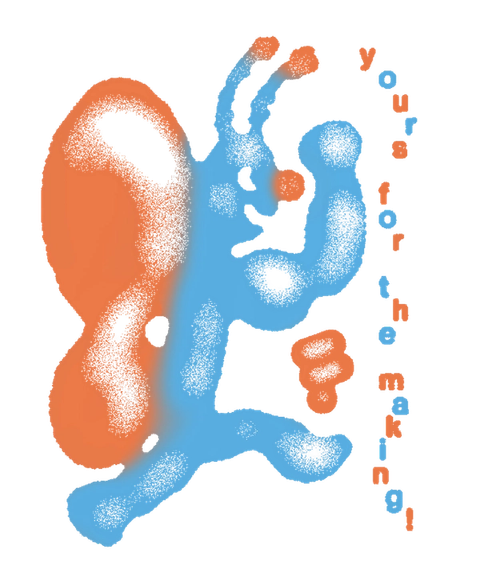
Meazo
See more of Meazo’s work on Instagram.
Location: Leicestershire, England
Inspiration: His children's drawings, DIY illustrators, tattoo artists
Tools: An old and “clunky” drawing app on his phone
Expression: Play
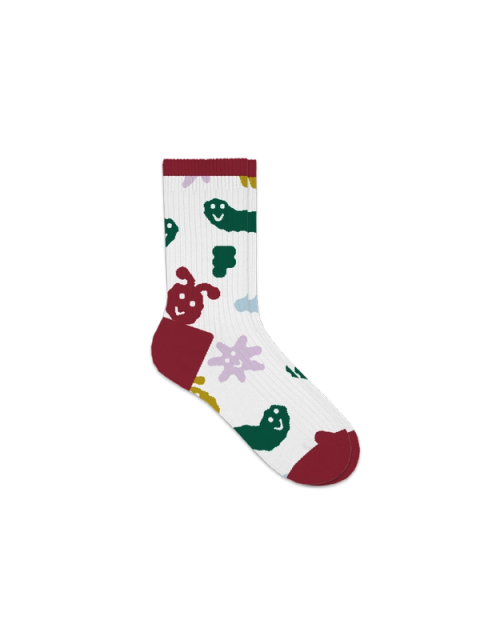
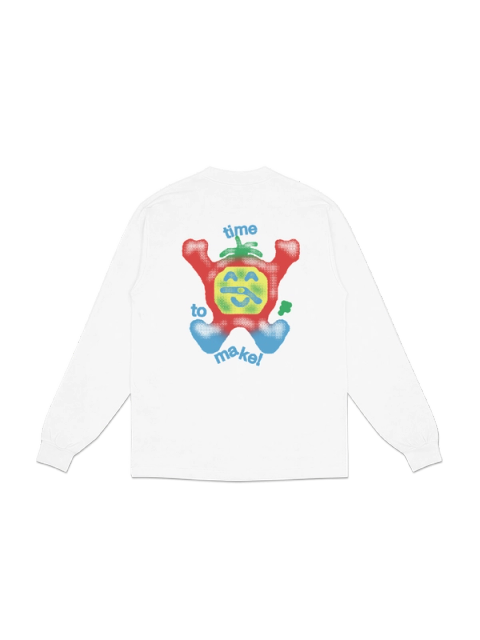
Approach: “When my kids draw, it’s clear that they haven't learned to be self-critical yet, so they're not trying to be ‘good,’ they're just making things,” Meazo says. To get closer to that feeling, he deliberately works with a tool he's not great at—feeling his way through rather than trying to control it. He draws familiar, everyday things like butterflies and clocks, then gives them a twist. “I'm always trying to achieve that level of abstract and familiar,” he says. “Comforting somehow, but also slightly surreal.”





Ryan Carl
See more of Ryan’s work on his website and Instagram.
Location: New York, New York
Inspiration: Sol LeWitt's rule-based art, Josef Albers’ explorations of color, baseball cards, typography, information design
Tools: Figma
Expression: Iteration
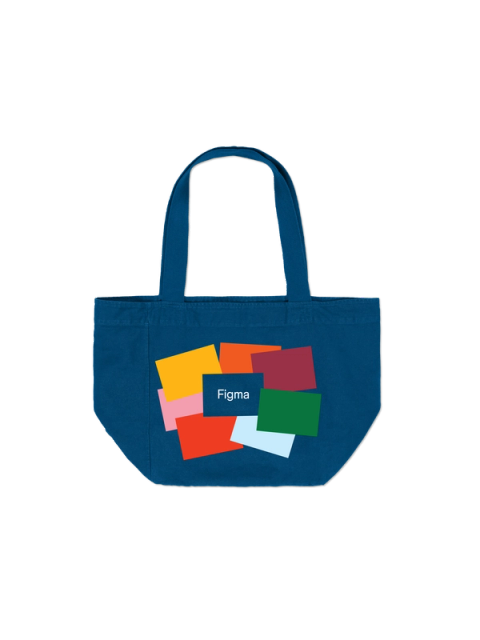
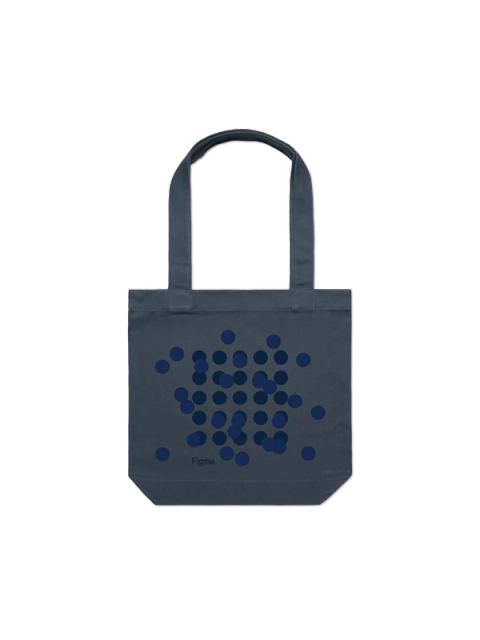
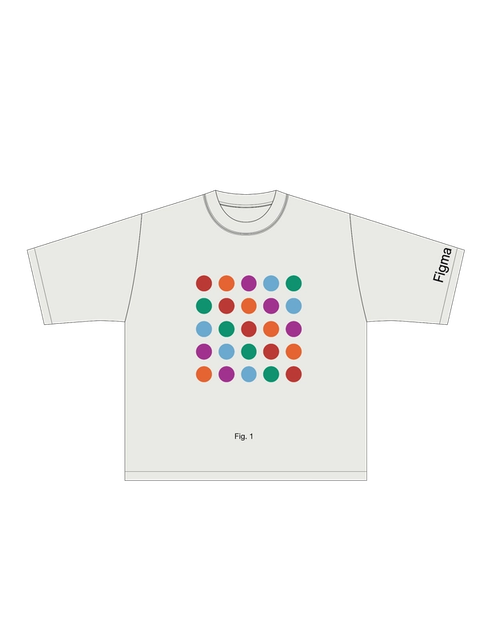
Approach: Ryan studied philosophy and religion before getting into design, and it still shapes how he works. “I'm always searching for the logic behind a decision,” he says. “Having an understanding of the ‘why,’ and being able to explain it, is central to everything I do.” His practice takes simple geometric shapes—colorful rectangles, clusters of circles—and explores what happens when you arrange and rearrange them. He experiments with both structure and looseness, shifting one piece at a time. “You can feel something a little bit different with each little tweak,” he says.




Yi Hua Lin
See more of Yi Hua’s work on Instagram.
Location: Taipei, Taiwan
Inspiration: Hiking and diving in Taiwan, the island's mountains and sea, Indigenous culture, wildlife
Tools: Figma and Procreate
Expression: Iteration
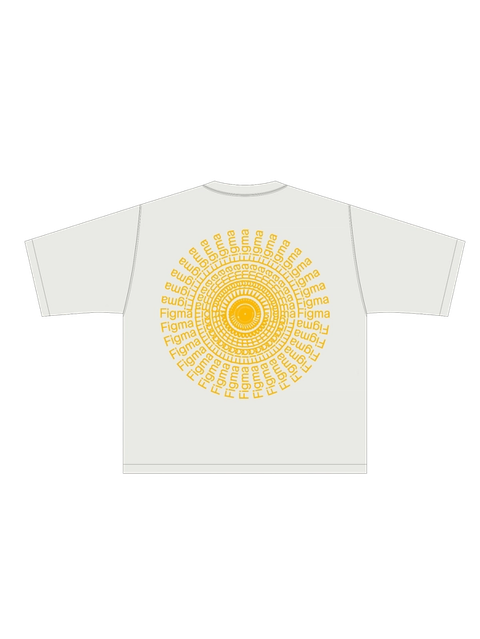
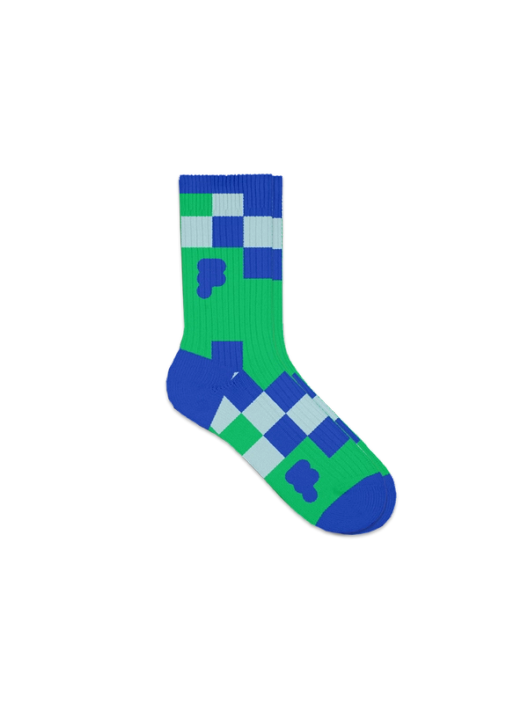
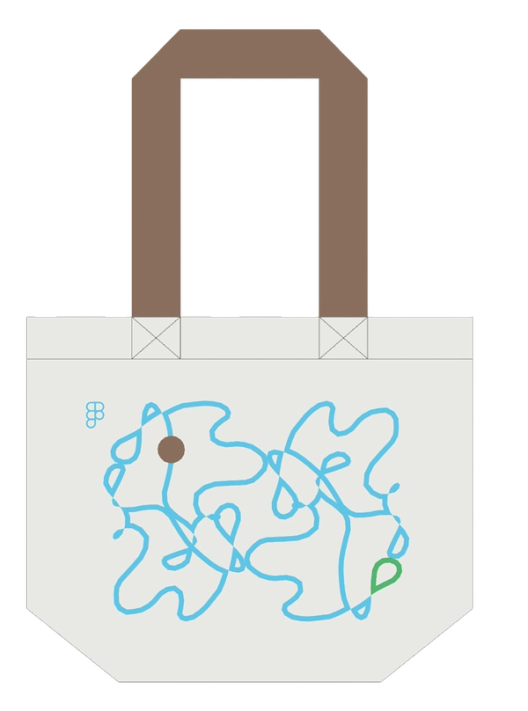
Approach: Yi Hua Lin compares her creative process to hiking—the best part isn't reaching the summit, it's everything that happens along the way. “I’ve always been interested in the relationships between elements,” she says. “Rather than creating a single focal image, I enjoy building visuals that feel interconnected and continuously flowing, almost like a living system.”


Suzy Chan
See more of Suzy’s work on Instagram.
Location: London, England
Inspiration: Movies (especially horror films), music, comics
Tools: Hand drawing and Figma
Expression: Iteration
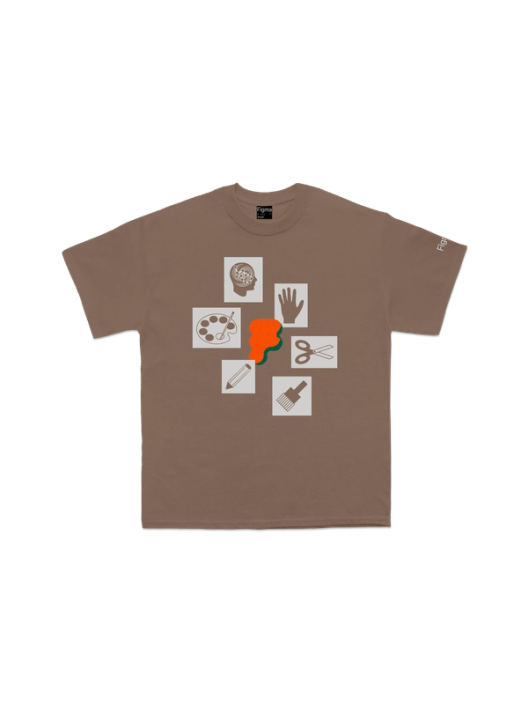
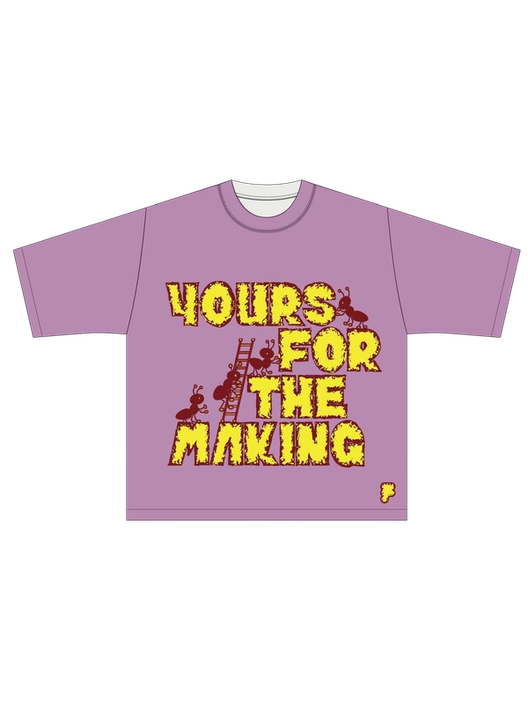
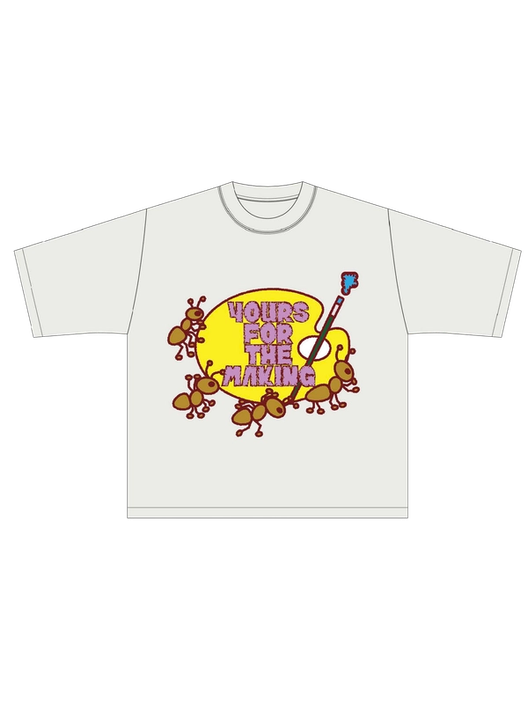
Approach: Suzy is always looking for the balance: “Too digital feels less human, but too hand-drawn feels too rough.” She hand-draws elements and keeps them deliberately imperfect, then brings them into Figma. “I want my work to have the vibe of being in the process of making, rather than perfect and finished,” she says. It's a sensibility she traces back to her time in Germany, where she didn't speak the language and spent weekends at a local comic store, reading the characters’ emotions without understanding a word. Her final icon drawings for Season 5 were inspired by the '90s Windows drawing tools she grew up with.



Mina Tabei
See more of Mina’s work on her website and Instagram.
Location: Tokyo, Japan
Inspiration: Light and shadows
Tools: Photography, digital tools
Expression: Iteration
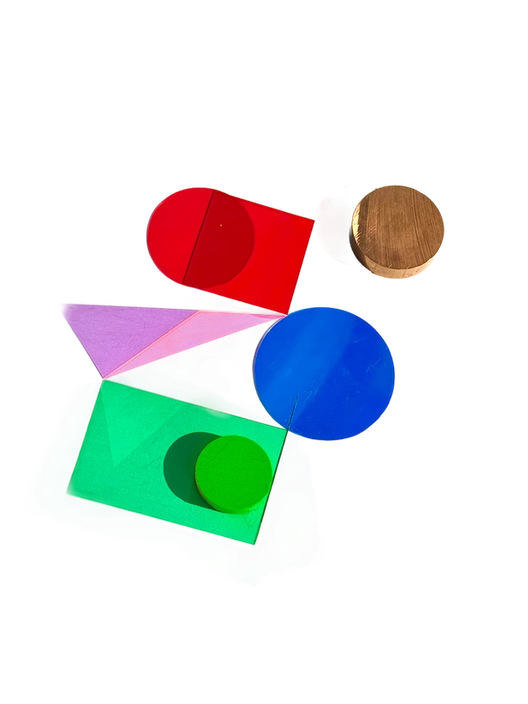
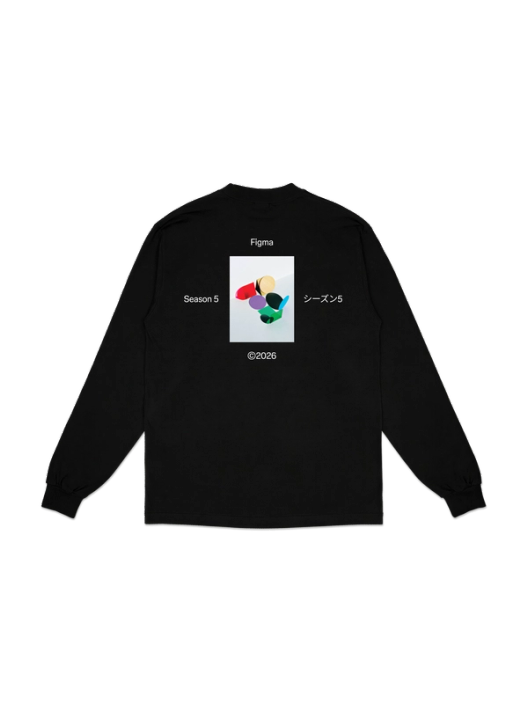
Approach: Mina's work starts with looking at how light, materials, and surfaces interact. “I've always been interested in observing ordinary things and finding visual possibilities within them,” she says. For this project, she arranged a cluster of colorful shapes, lit them, and photographed what happened. The shadows, reflections, and color overlaps are all part of the design. She explored several directions with the team before landing on a composition that felt both simple and open-ended. The final result is a group of shapes that feel connected but leave room for interpretation—you might see something different in them every time you look.


Tim Blann
See more of Tim’s work on his website and Instagram.
Location: London, England
Inspiration: Flea markets, pictograms, icons, street signs
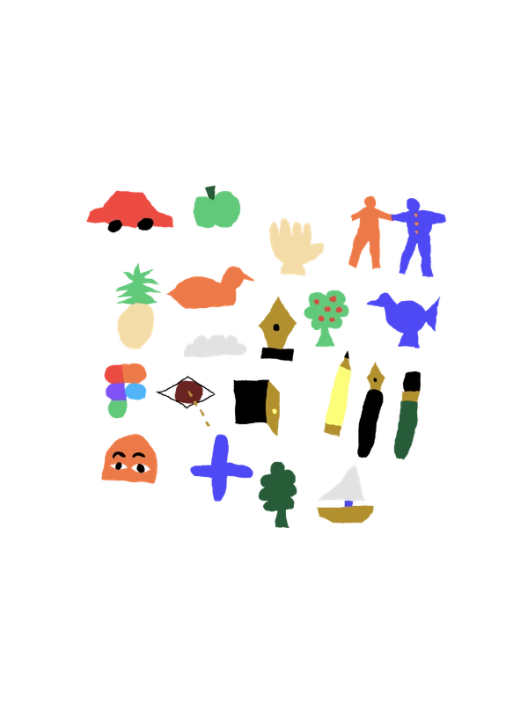
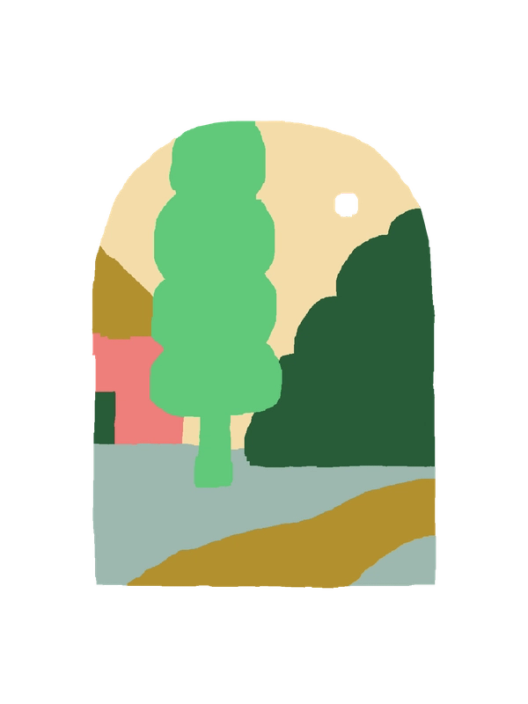
Tools: Gouache paint
Expression: Tools
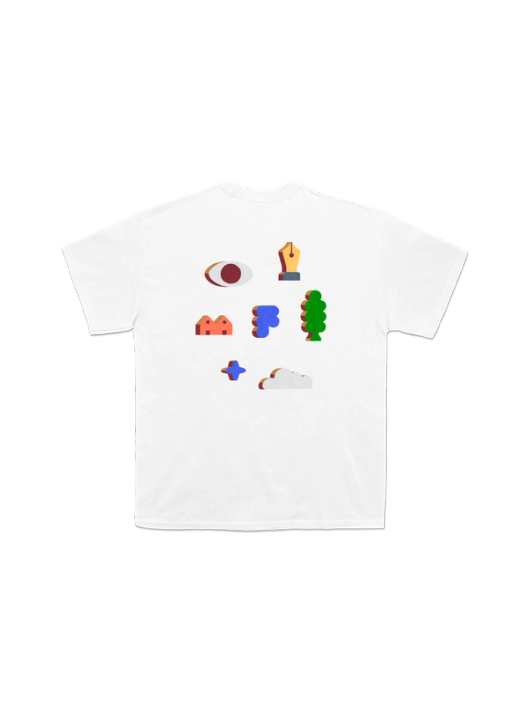
Approach: Tim studied game design before switching to illustration, and the influence is still there. In games, designers build a world with rules and let players loose inside it. Tim works the same way—he sets constraints for each project, decides what elements and style he's working with, then paints within those boundaries. “I like when something precise and recognizable, like an icon, is made in a way that feels childlike and spontaneous. The contrast is what makes it interesting."



Jaedoo Lee
See more of Jaedoo's work on his website and Instagram.
Location: New York, New York
Inspiration: Moebius’ bold colors and angles, comic books, typography, street signage
Tools: Photoshop, Illustrator
Expression: Tools
Approach: Jaedoo compares his process to sculpting: “You have a big chunk—in my case a simple geometric shape—and you're just chipping away until something emerges.” All of his work revolves around these shapes, each one completed with shading and angles to make them look three-dimensional. He sees shapes everywhere. While traveling, he photographs street signs in other countries. “When you can't read the language, you stop seeing words and start seeing shapes,” he says. He brings that same thinking to his illustrations. Each finished form is a shape that communicates an idea without needing words.

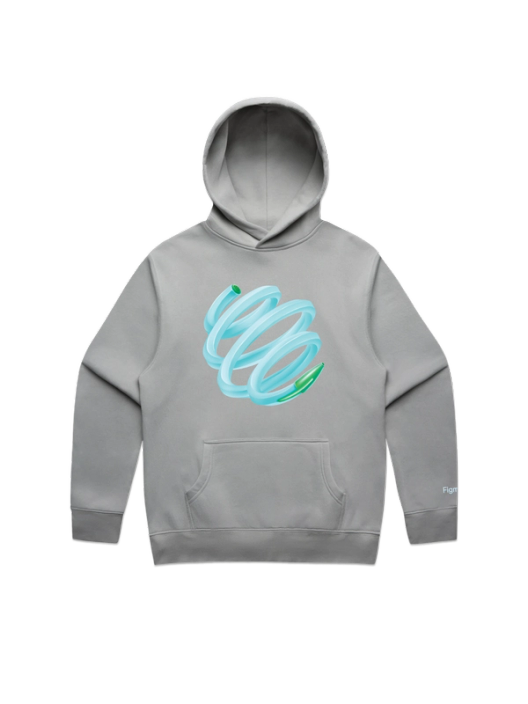

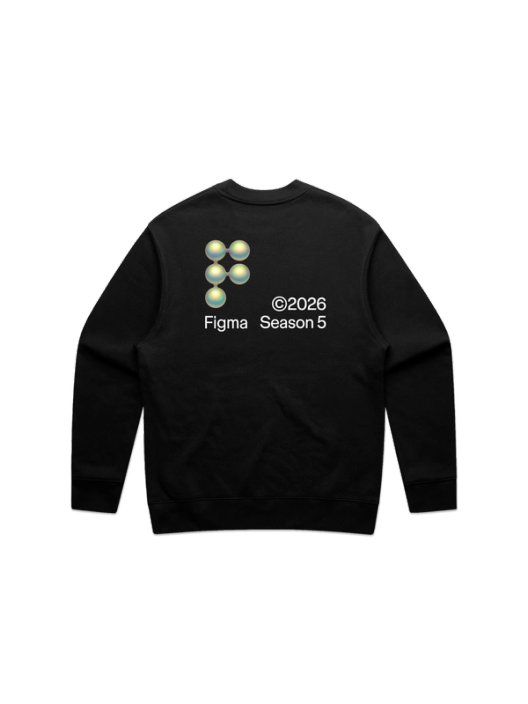


Each artist who contributed to Season 5 brings a unique approach and style to a collection that's wide and varied, but connected by a shared focus on how things get made. “The range is what makes it work,” says Gustavo. “No two pieces look the same, but they all belong together.”

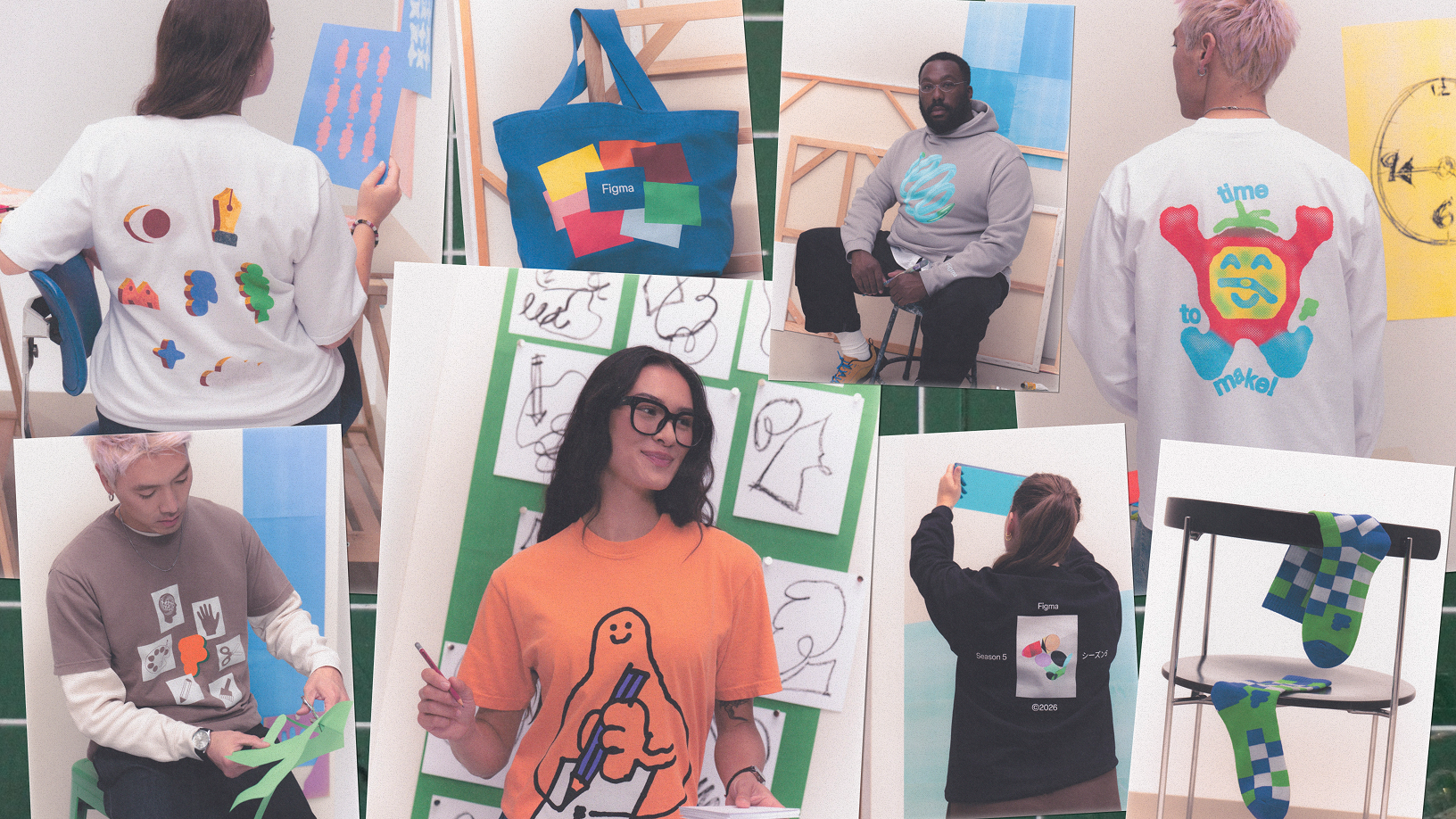
The Figma team behind Season 5:
- Gustavo Delgado, Brand Designer
- Jefferson Cheng, Brand Designer
- Julia Oller, Brand Copywriter
- Nic Lee, Ops Manager
- Leandro Castelao, Design Manager
- Damien Correll, VP Brand Studio
- Jordan Scott, Manager, Community Experiences
- Dmitri Palmer, Community Experiences Manager
Emma Webster is a writer and editor on Figma’s Story Studio team. Previously, she’s worked as a writer at Faire and Audley Travel.