
Digital tools, human expression: The visual identity behind Config 2026


Here’s how Figma’s Brand Studio designed a conference that captured the very human ways we remix and reinvent when working with AI tools.
Share Digital tools, human expression: The visual identity behind Config 2026
Photography by Alex Roulette, Acronym, Desmond Studios, Relay, and Ross Mantle

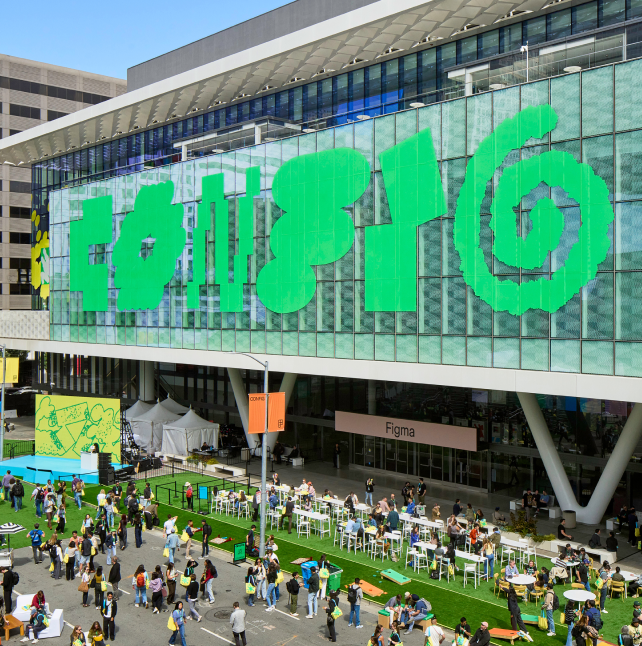
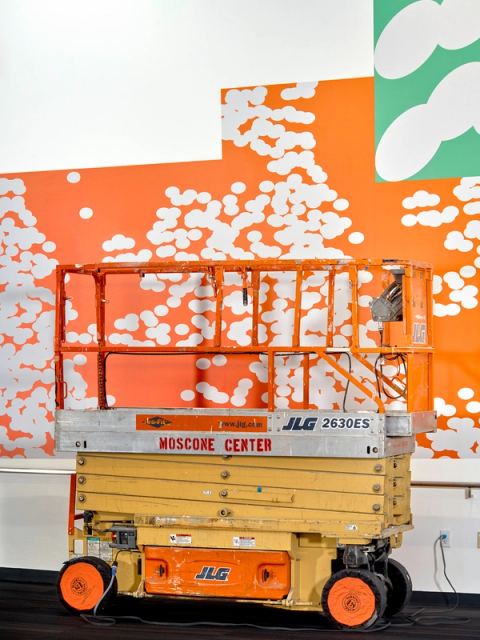
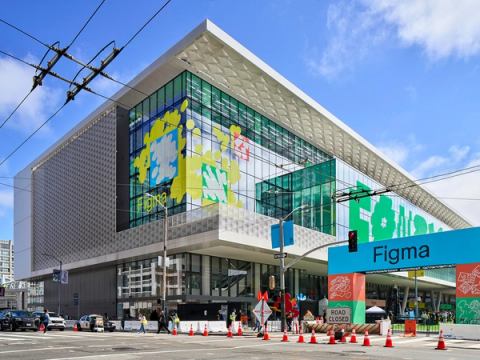
From June 23-25, Config 2026 took over San Francisco’s Moscone Center.
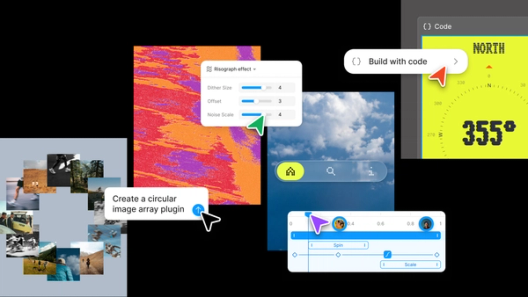
It’s a great time to be a maker. With today’s tools, people can start anywhere New tools and materials make it easier to build anything and start anywhere. The question now is, where do you want to go? Push past what you thought was possible with code layers, Figma Motion, shaders, generative plugins and Weave tools, all on the canvas.Start Anywhere, a magazine by Figma

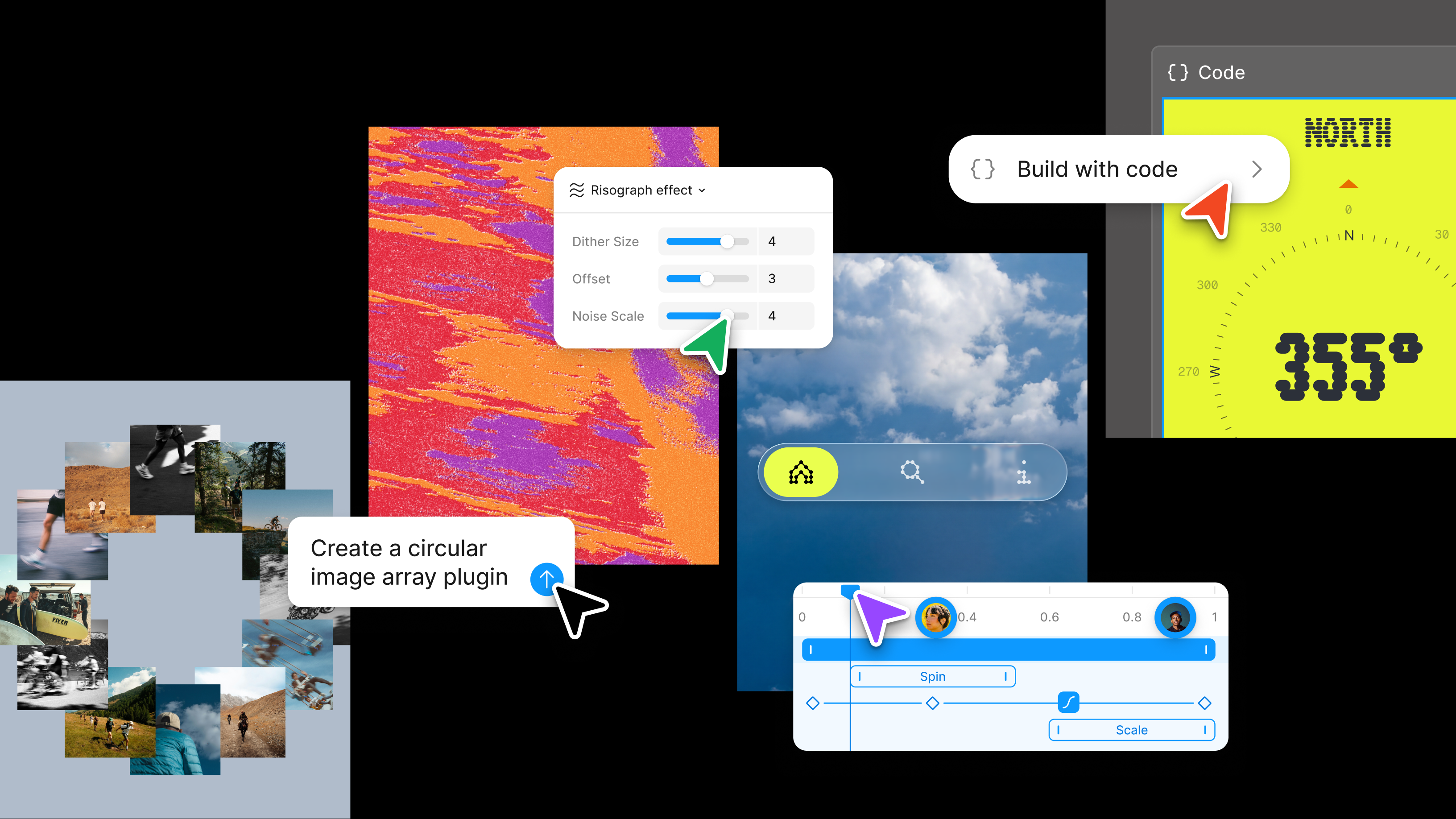
Config 2026: New materials, new tools and a more expressive canvas
- Evolution: We remix, reinterpret, and reinvent ideas to arrive at something new.
- Fluidity: We drop in at different starting points, looping between design and code.
- Harmony: We iterate and explore with generative tools without losing our human lens.
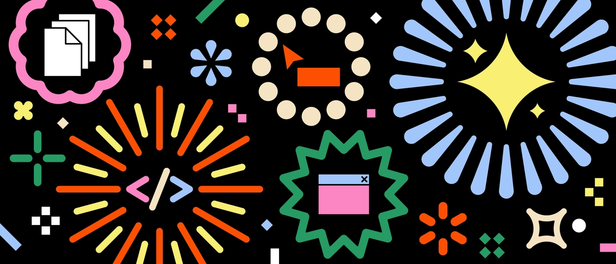
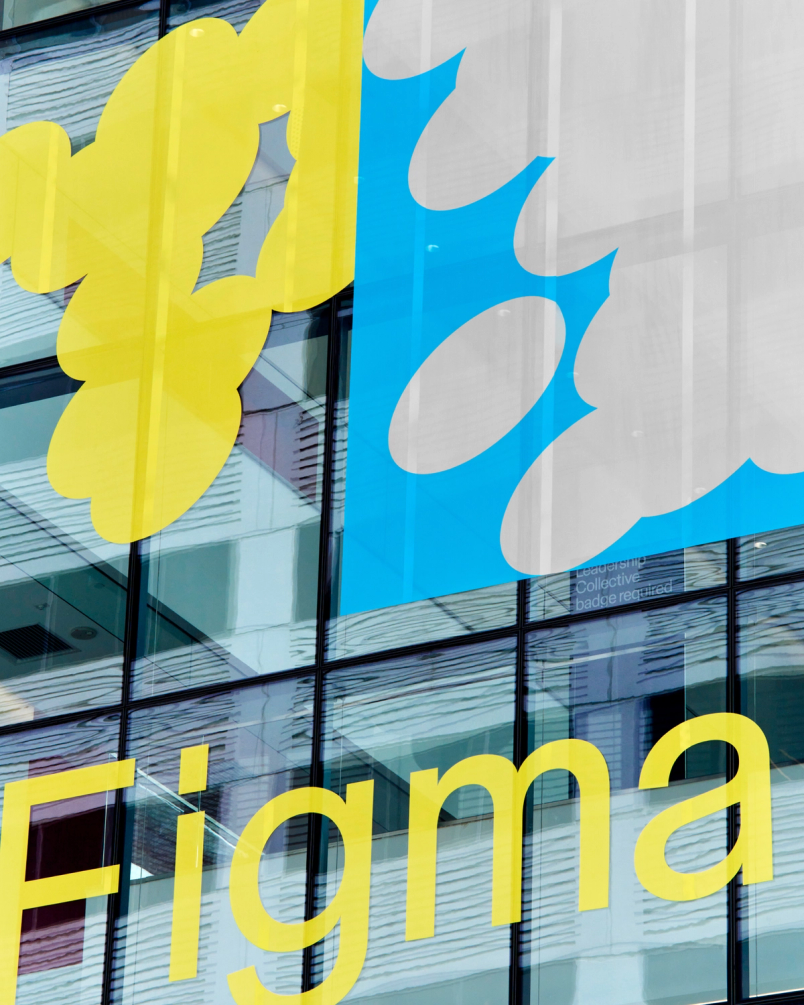
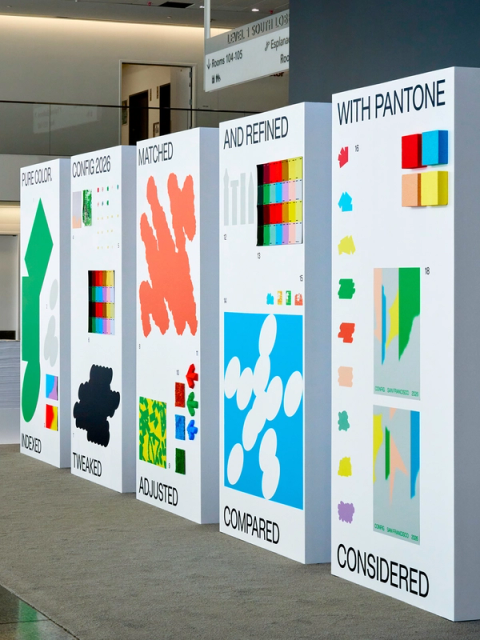
“We wanted to show this new AI capability, which is really sophisticated and powerful, while emphasizing craft and keeping a very human point of view,” says Figma Brand Designer Chelsea White, who was the creative lead on Config 2026. From that foundation, the team built a visual system using glyphs—expressive shapes that ranged from sketchy, to generative, to crisp—prompted textures, and structured compositions. Together, they enacted how ideas morph and multiply. “The interesting contrast is that the results feel wonky and idiosyncratic, but also programmatic and clearly digital,” says Chelsea. Here’s how that played out across all of Config’s surfaces, from digital assets to the physical environment in San Francisco.


Riffing on textures with AI
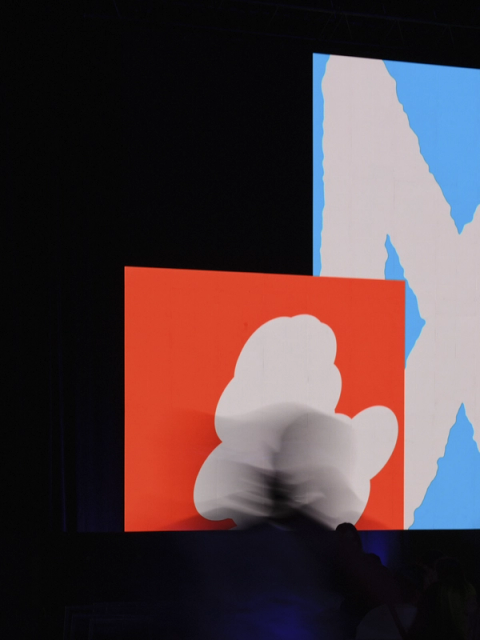
To create visuals that captured the serendipity of collaborating with AI, the team turned—fittingly—to AI. They built tools in Figma Make to help codify the lo-fi effects they knew they wanted, emerging with three core textures: scribbly linework, blurred gradients, and oval-shaped particles. They could then feed images into the tools to get compositions that felt surprising and hand-drawn. “In a time when we have tools that allow us to automate more and create perfect visuals, we wanted to appreciate touches of imperfection,” says Brand Designer Maria Chimishkyan.
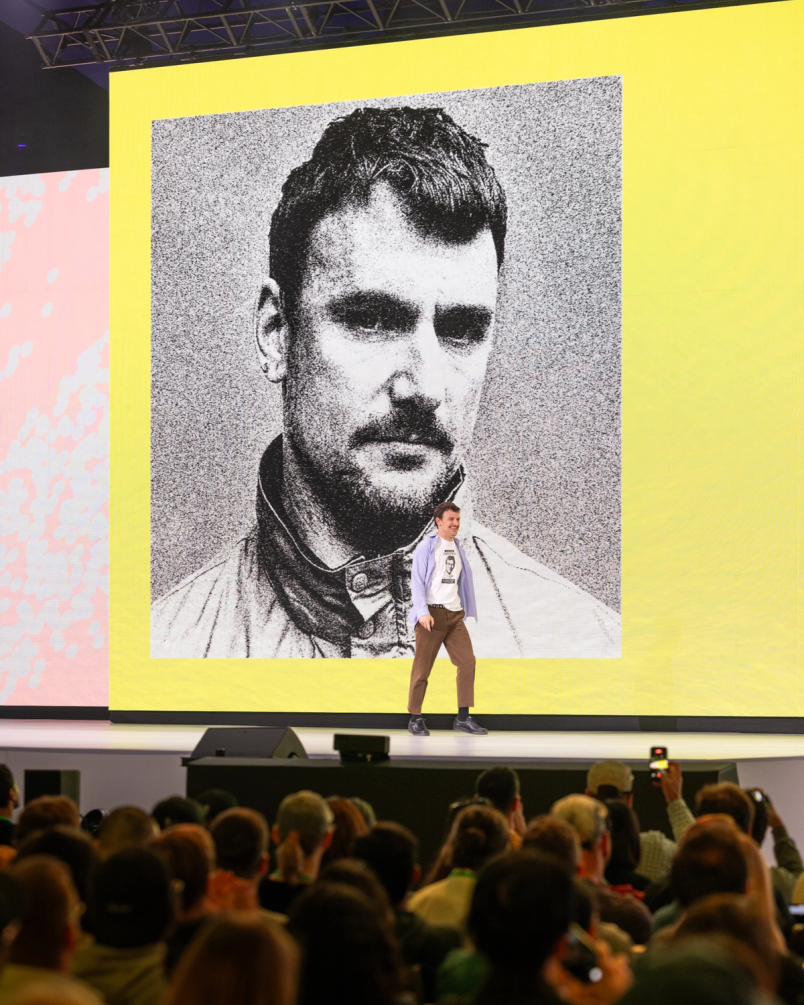
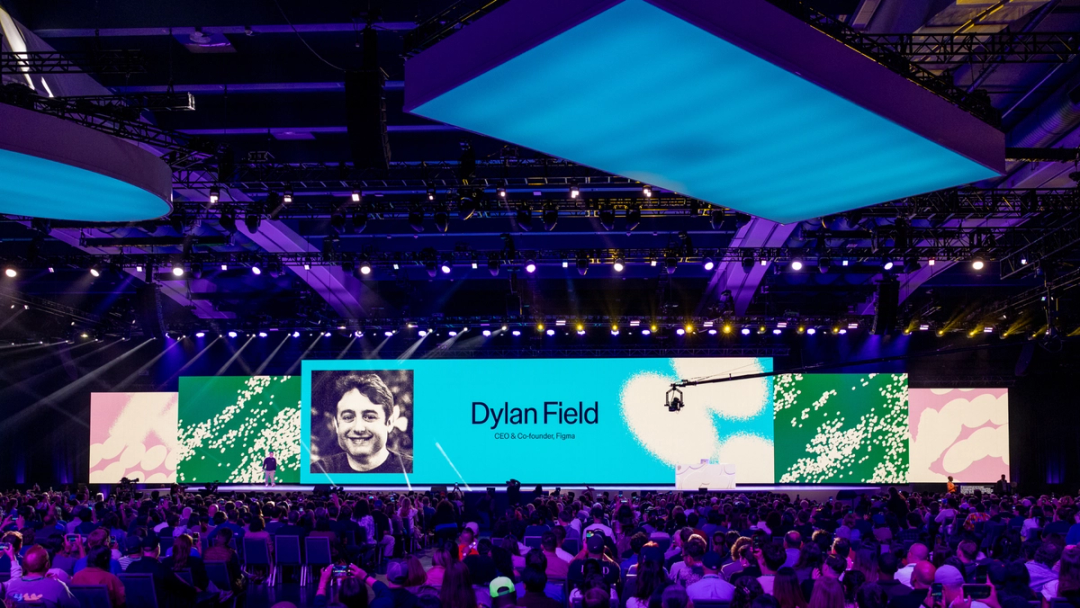
They also created a dithering tool to give hundreds of speaker headshots a consistent visual treatment without having to do hours of tedious work. “There’s a fine-scale, pointillism quality to the effect that brings the human touch while feeling digitally coded,” says Brand Designer Deanna Sperrazza.


Setting ideas into motion
Instead of just handing off visuals for animation, the team worked on static and motion assets in parallel. “It was a nice back-and-forth,” says Brand Motion Designer Ben Hill. “Motion influences design, and design influences motion.” When the team saw an early glyph spring to life, for example, it was an “aha” moment: Though it was a simple composition, seeing how raw and unexpected it was gave them confidence that they were going in the right direction.
“We could have fallen back on crisp glyph animations,” says Ben, “but instead we allowed everything to be looser, more collage-y, and expressive. It’s opinionated in a way that feels unique to Figma.”
Delight in three dimensions
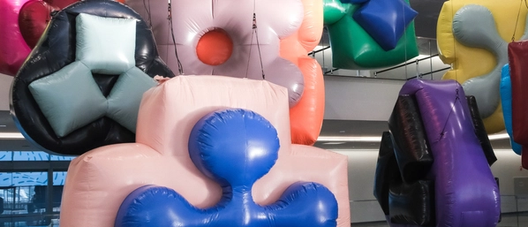
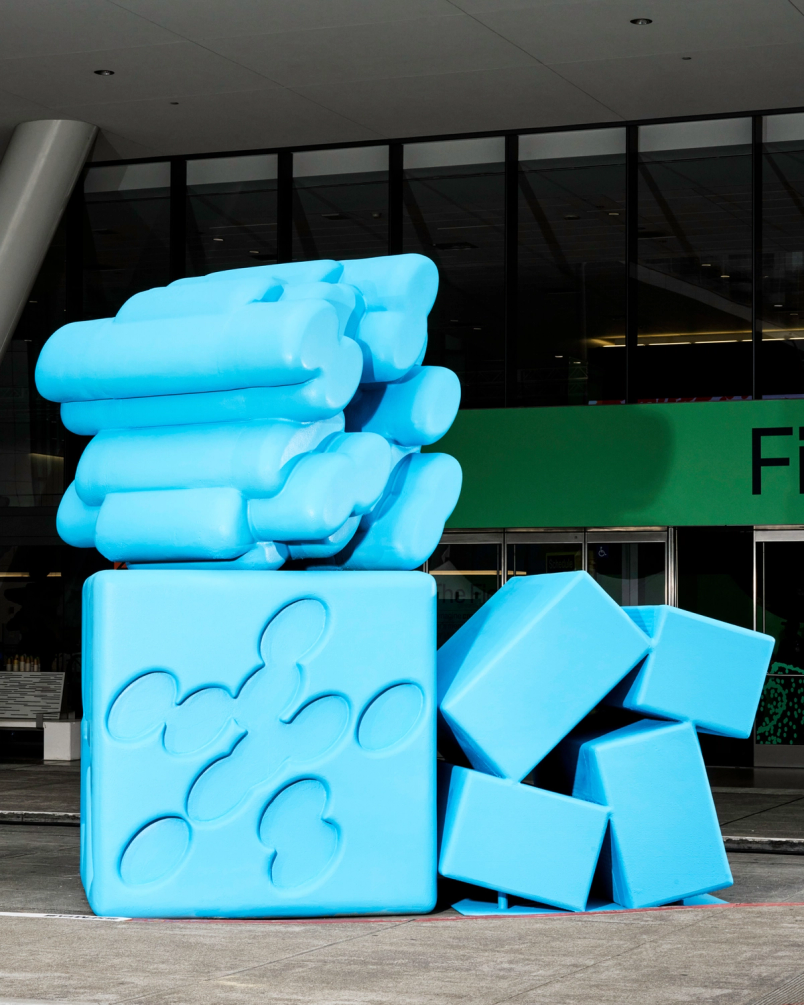
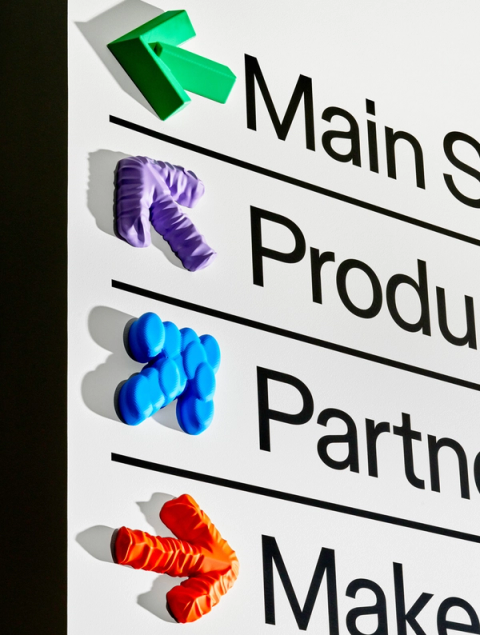
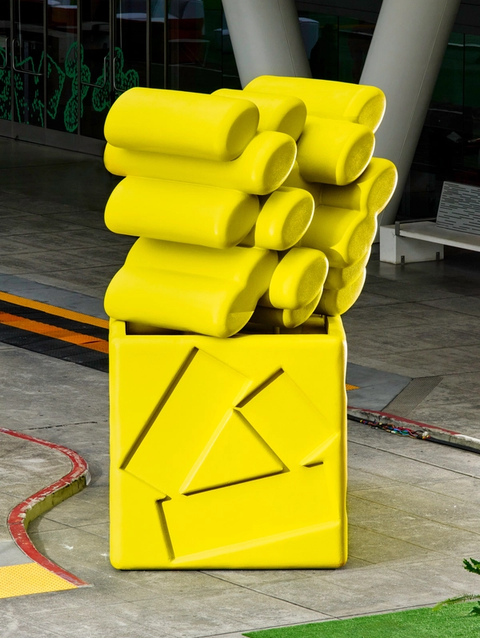
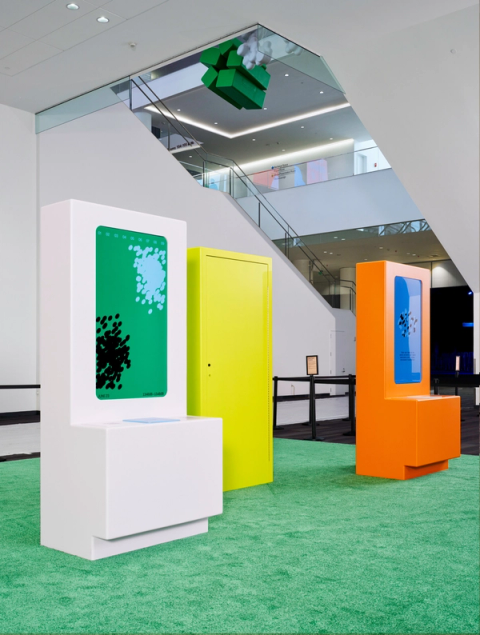
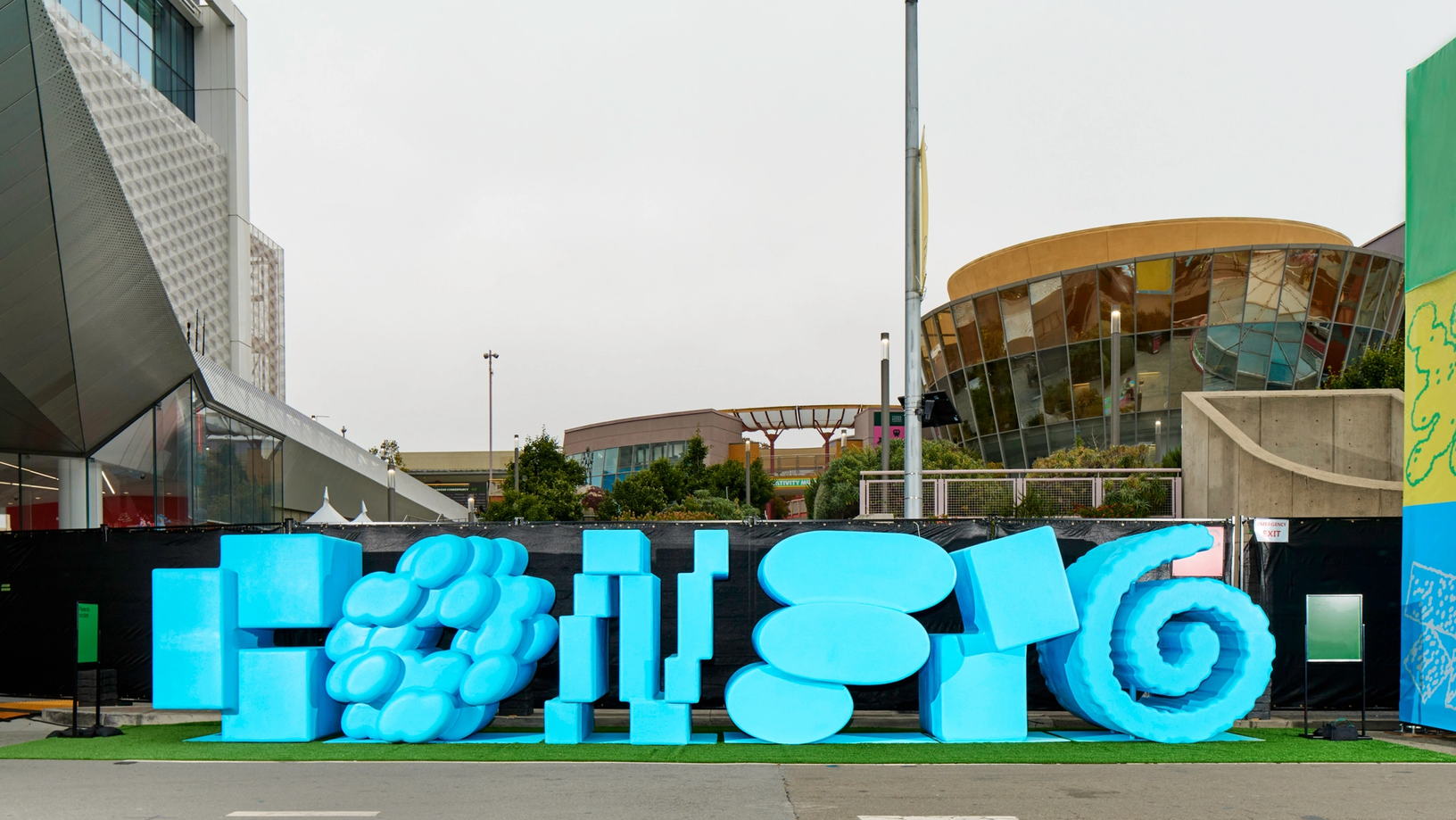
Translating the visual identity into physical form brought opportunities to play with materials, interactivity, and scale. It also invited the team to push past the predictable. “You might expect the three-dimensional version of an imperfect line drawing to be a wire in space, but what if it was actually extruded in a chunky and satisfying way?” offers Maria. Extruded foam became a core material—both light enough to work with, and easily manipulated for the right texture and shape. A hero installation of larger-than-life extruded foam glyphs hung in the Moscone lobby in what Maria describes as “a moment of formal revelry and delight that translated and encapsulated all the core ideas behind the identity.”



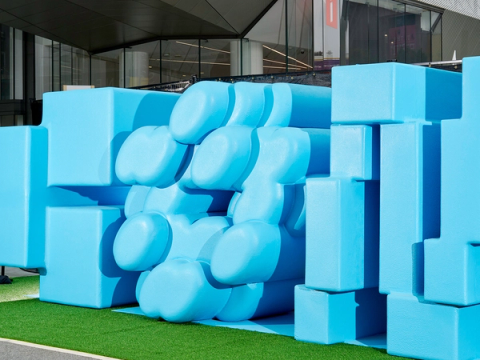

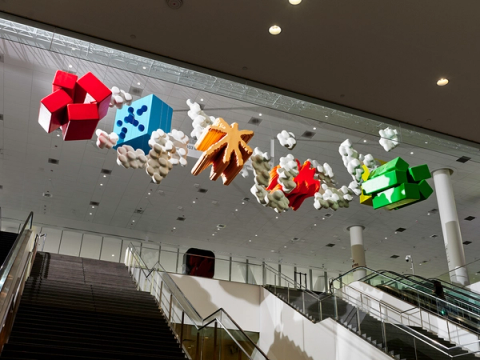

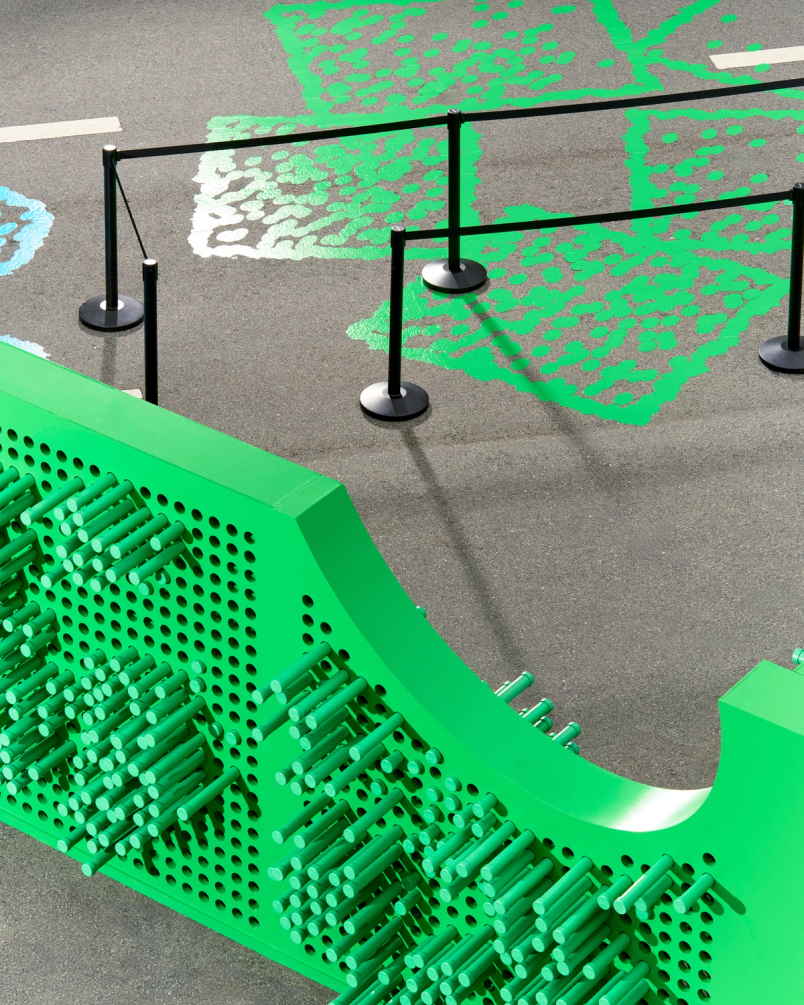

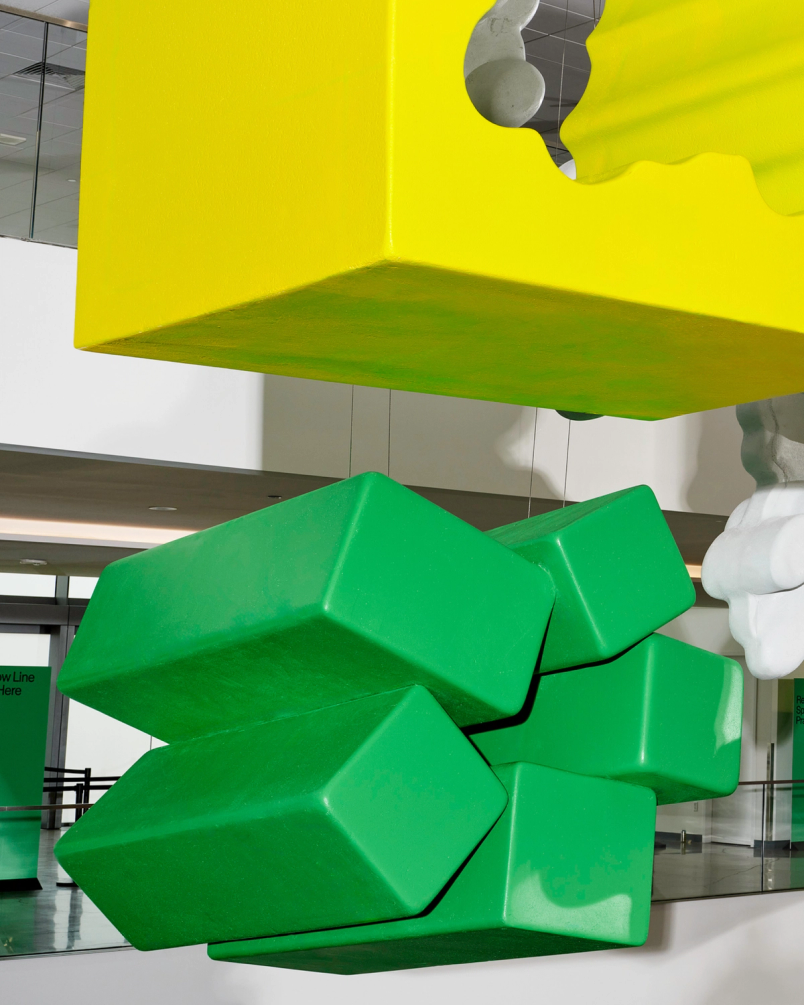
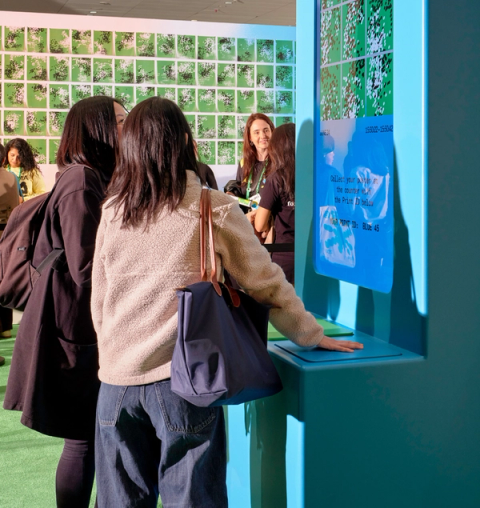
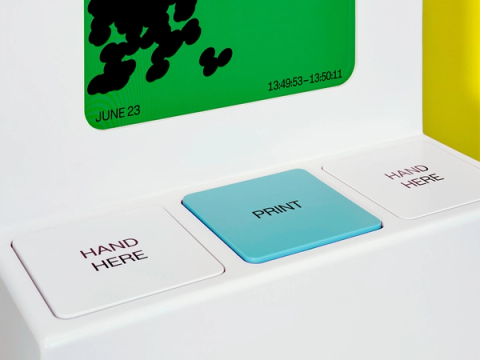
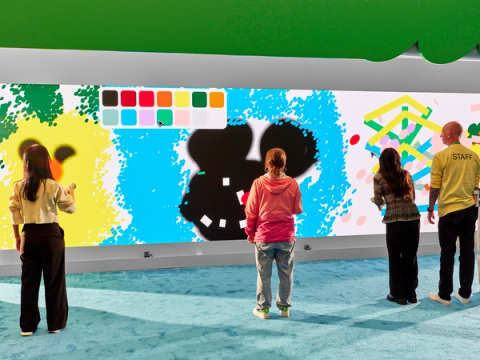
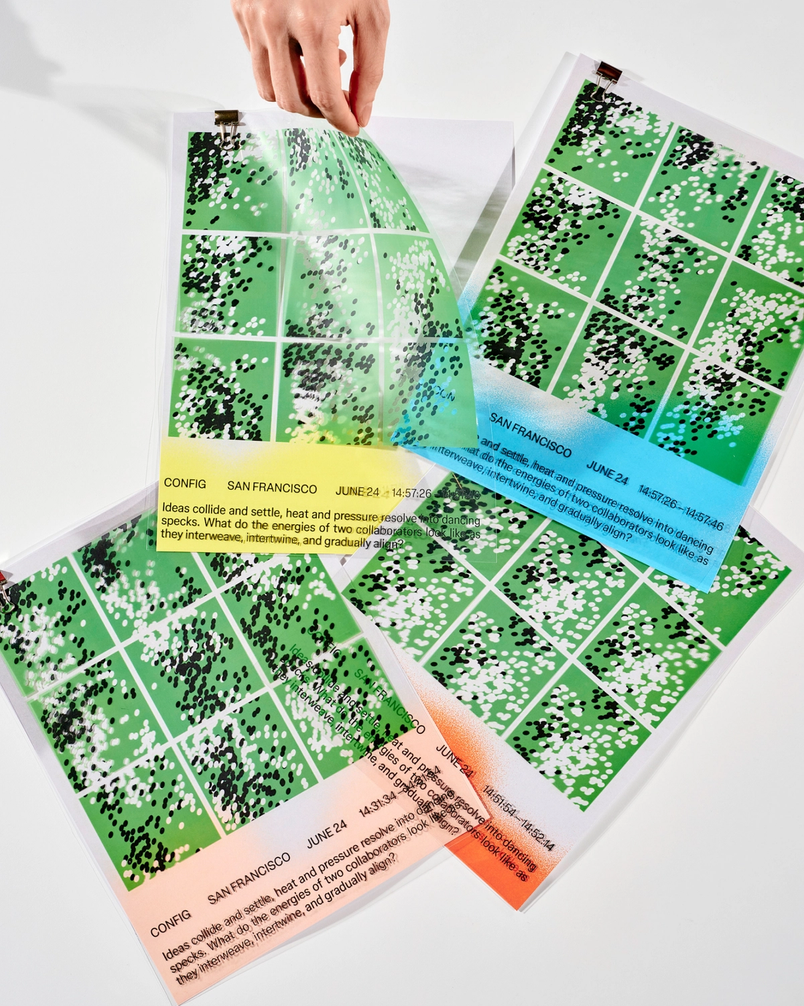
At other moments, activations nodded at both new and familiar tools in Figma—and did so in ways that emphasized real-time interaction, collaboration, and chance. The Play Canvas, for example, invited people to use jumbo Figma Draw tools to doodle on a giant digital canvas, while Shared Frequency used Figma Make to translate the touch and pressure of two people’s hands into a one-of-a-kind print. “We wanted to have a lot more customization and personalization this year,” says Maria. “What you draw on the Play Canvas is entirely up to you, and each Shared Frequency print is a totally unique variation.”









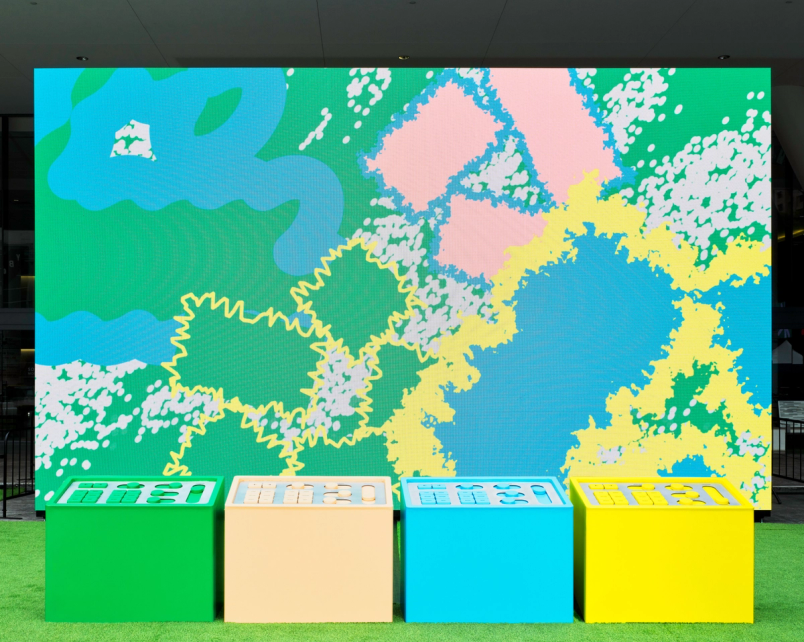

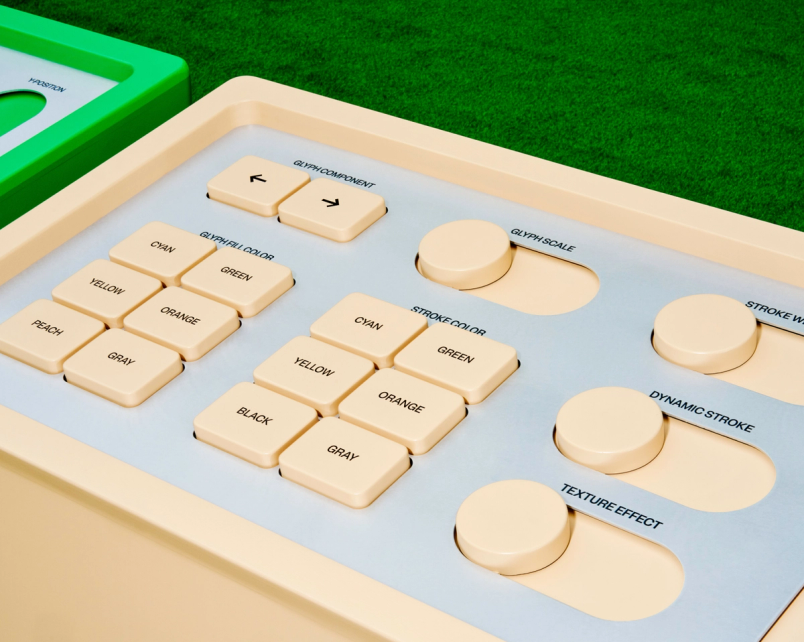

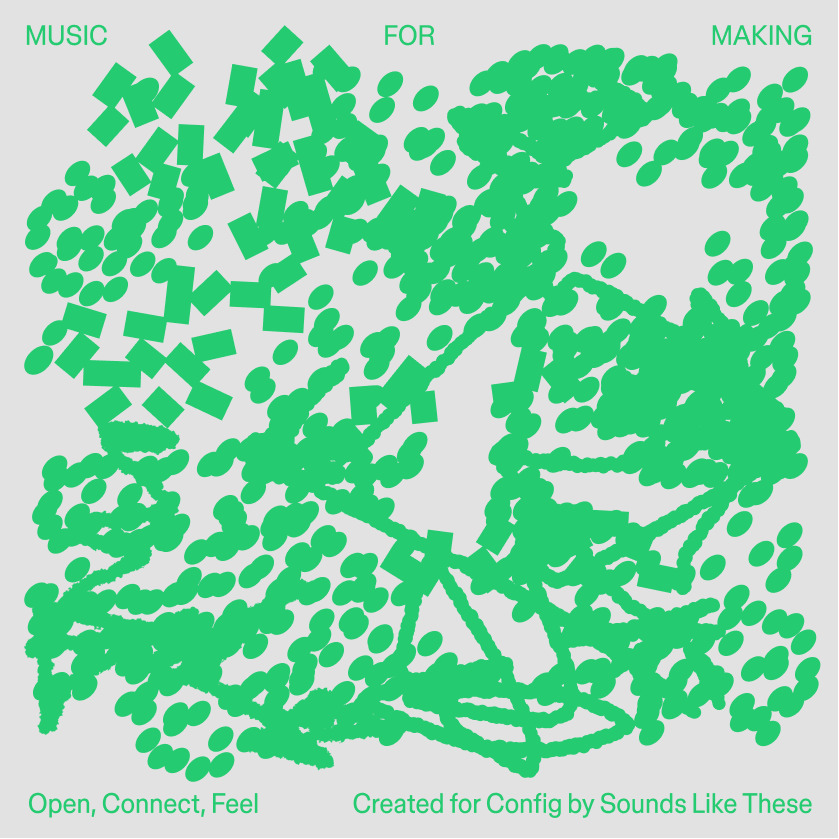
Listen to “Open, Connect, Feel” by Sounds Like These on Spotify.
Swag that sparks inspiration
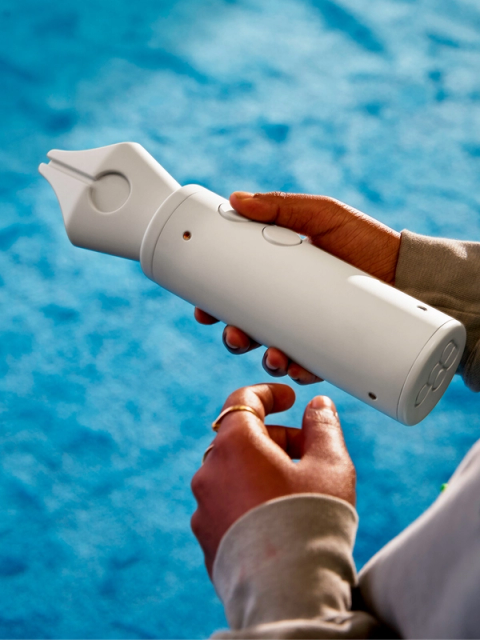
Merch allows the spirit of Config to live on past the event itself. The team wanted to create tactile keepsakes that reflected the theme of combining digital and analog forces, which sparked the idea for a flexi disc and wind-up music box keychain. They asked London-based studio Sounds Like These to create “music to make to,” says Chelsea. “We wanted sounds that felt organic and natural, something where you could feel that a person had created this. We pushed it to be more abstract, a little strange.”
The three tracks they made—each expressing a different creative energy—went on to inform the larger audio identity of Config, but with some key differences. While the walkout music for a Config speaker was more polished and energetic, the music on the flexi disc was quirkier and more ambient. Now available on Spotify, it’s an expression of the creative state, and sets the mood for making.

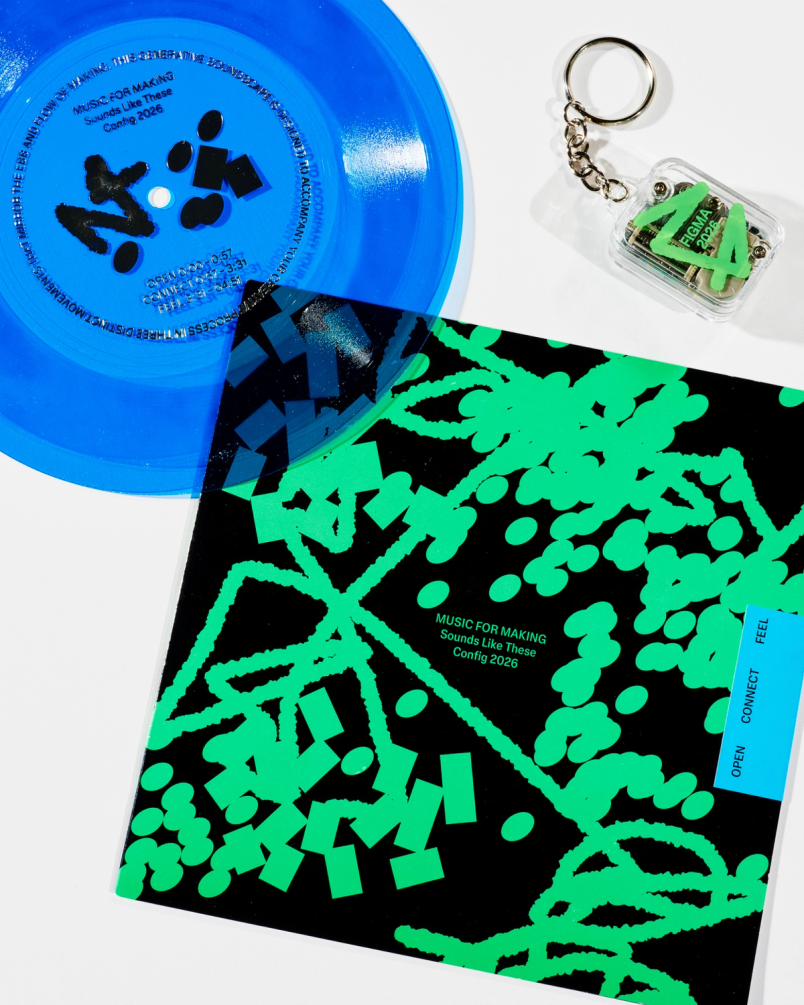

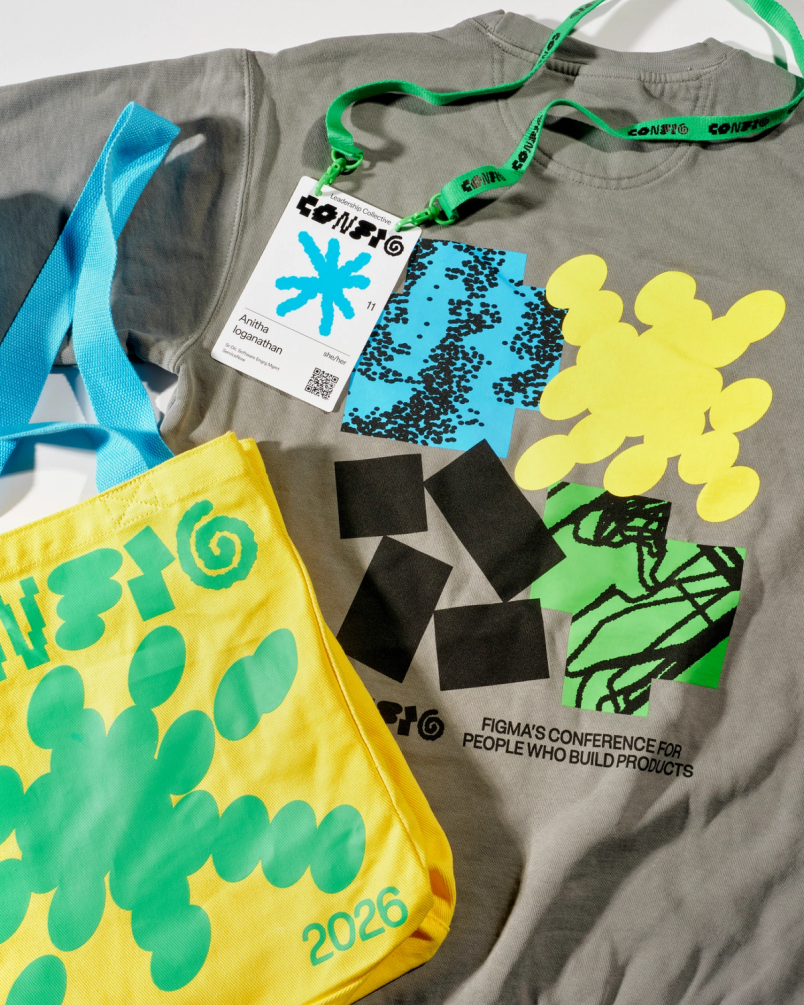
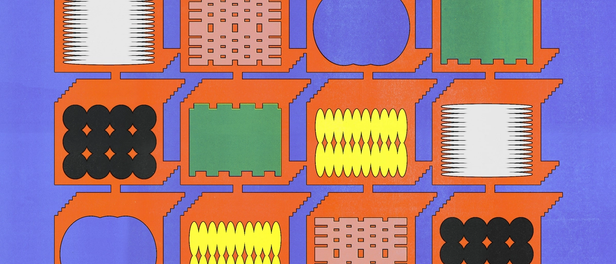
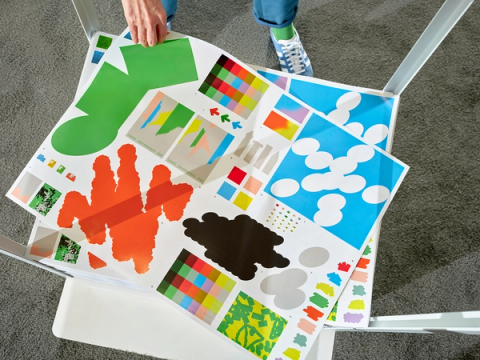
Our Config 2026 digital poster kit gives you a finite set of graphics you can use to create infinite arrangements.
Represented everywhere from highway billboard ads to the smallest details in swag, this year’s Config embodied the push and pull of how we design now. “It’s an exciting time where different ideas, mediums, disciplines, and people can come together in a nonlinear process,” says Chelsea. “The visual identity confidently celebrates the digital tools that make it possible, but through moves that are imperfect and refreshingly human.”

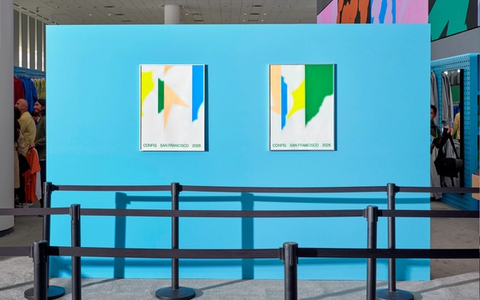

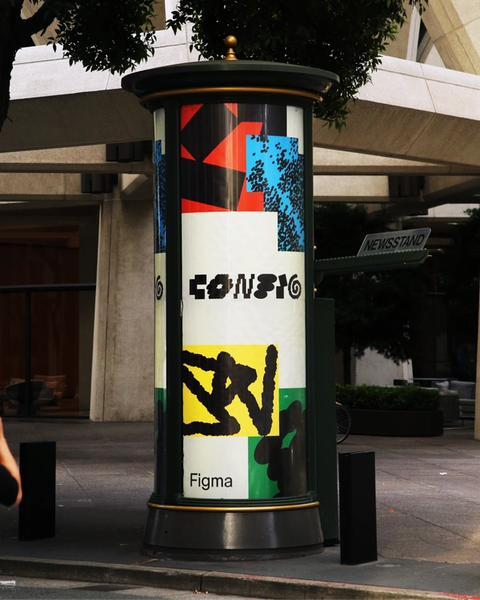

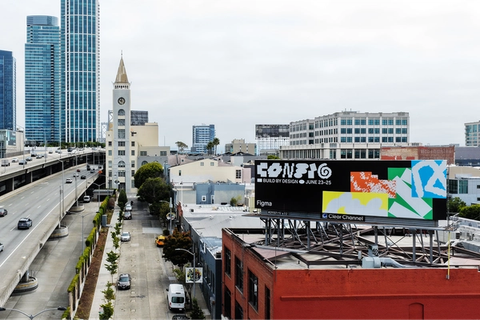




The core Brand Studio members who brought Config 2026 to life are Andy Luce, Ben Hill, Catherine Bui, Chelsea White, Deanna Sperrazza, Kaley Aposporos, Maria Chimishkyan, and Sydney Halle. They had the support of Alex Roulette, Brendon Avalos, Chad Colby, Damien Correll, Emily Brown, Gilles Desmadrille, Taryn Cowart, and Yeojin Shin. Special thanks to our partners Acronym, Sounds Like These, and Relay.
Matt is a freelance writer and editor based in London, who was previously the editor-in-chief of creative media company It's Nice That. Before that, he worked at Monocle magazine, where he covered a range of topics, from business and entrepreneurship to design and retail.