Five years of Figma
This month, we mark five years of Figma. When we launched our closed beta in 2015, many told us we were crazy. We’ve come a long way together. Figma co-founder and CEO Dylan Field reflects on the journey and its surprises, and the power of the browser to make design accessible to all. Plus, take a look back with us: the highlights, learnings, and evolution of Figma and the community.
Opening up design
“I’ve seen firsthand how working in a collaborative digital space moves teams from a mindset of ‘my ideas’ to ‘our ideas.’ This requires a radical shift — a level of trust and transparency that many of us are still catching up to. In many ways, design is deeply personal, and opening up that work to others to build on and remix can feel like opening up a part of yourself.”
Our (r)evolution
Some highlights from the journey.


Design: meet the internet
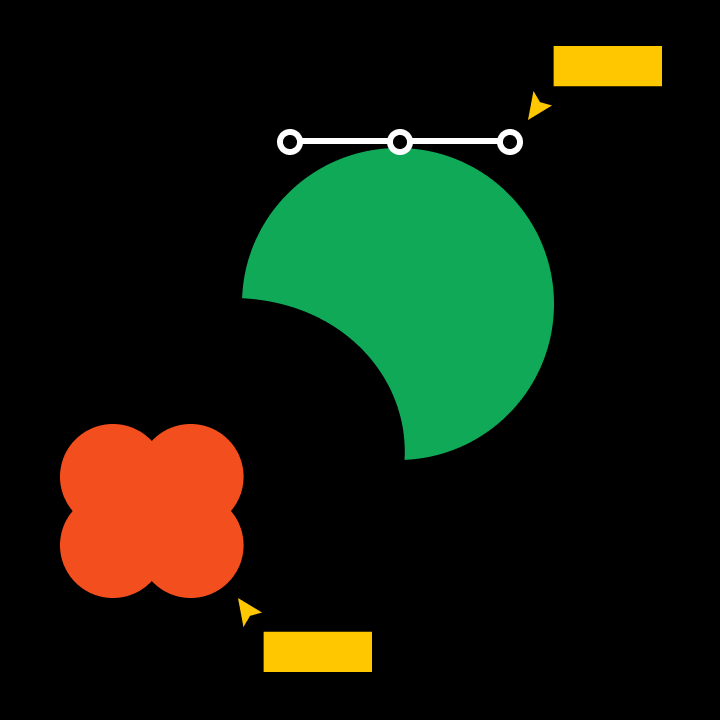
Since day one, we’ve believed that all software should be online, real-time, and collaborative.
See the launch post

Beyond multiplayer
We launched Figma Community as a space for anyone to publish their own files, or remix and learn from others.
Take a look back

Bridging code and design
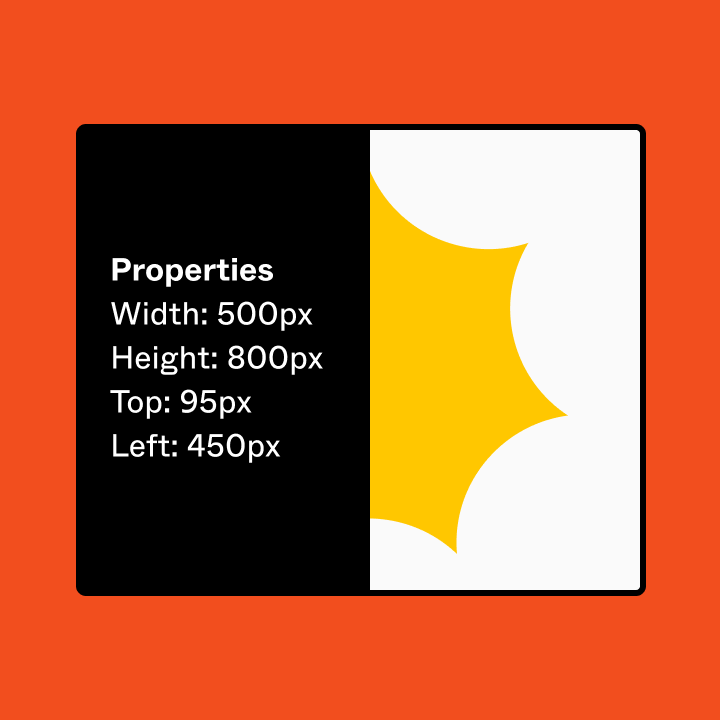
We believe in embracing concepts from engineering and design, and taking the best of both worlds.
Explore our approach
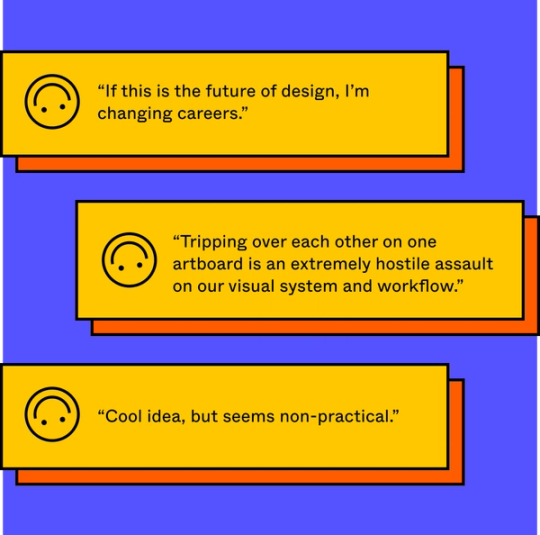
It wasn’t always easy…but we’ve come a long way


Where the community comes together
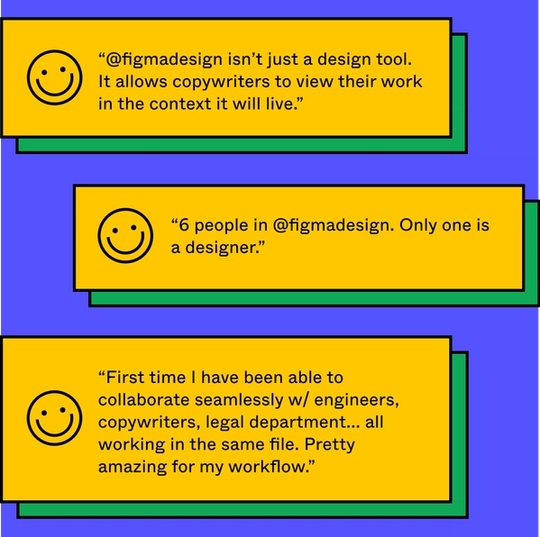
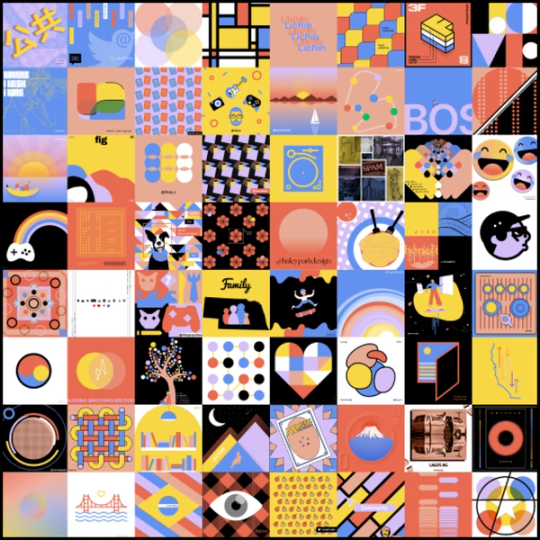
Today, Figma is more than a product — it’s a community. In the beginning, a small group of early adopters shaped the product through endless feedback. Now, more people who use and love Figma bring more people into the design process. 87% of first-time Figma users were invited by a colleague.
As we grew, so did our community. This year, we came together for Figma’s first user conference, Config, and our virtual conference, Config Europe. In all of these spaces, the community has created a place where all belong.
You’re invited to join us, too. Find a group, attend a livestream, or remix a template.

Bringing more people in
“At its best, Figma is much more than a digital extension of our physical self — it’s an invitation to leave ego at the door and create shared consciousness with others. It’s an opportunity to embrace the messy bits of creativity, to celebrate failure and bring more people into the process along the way.”