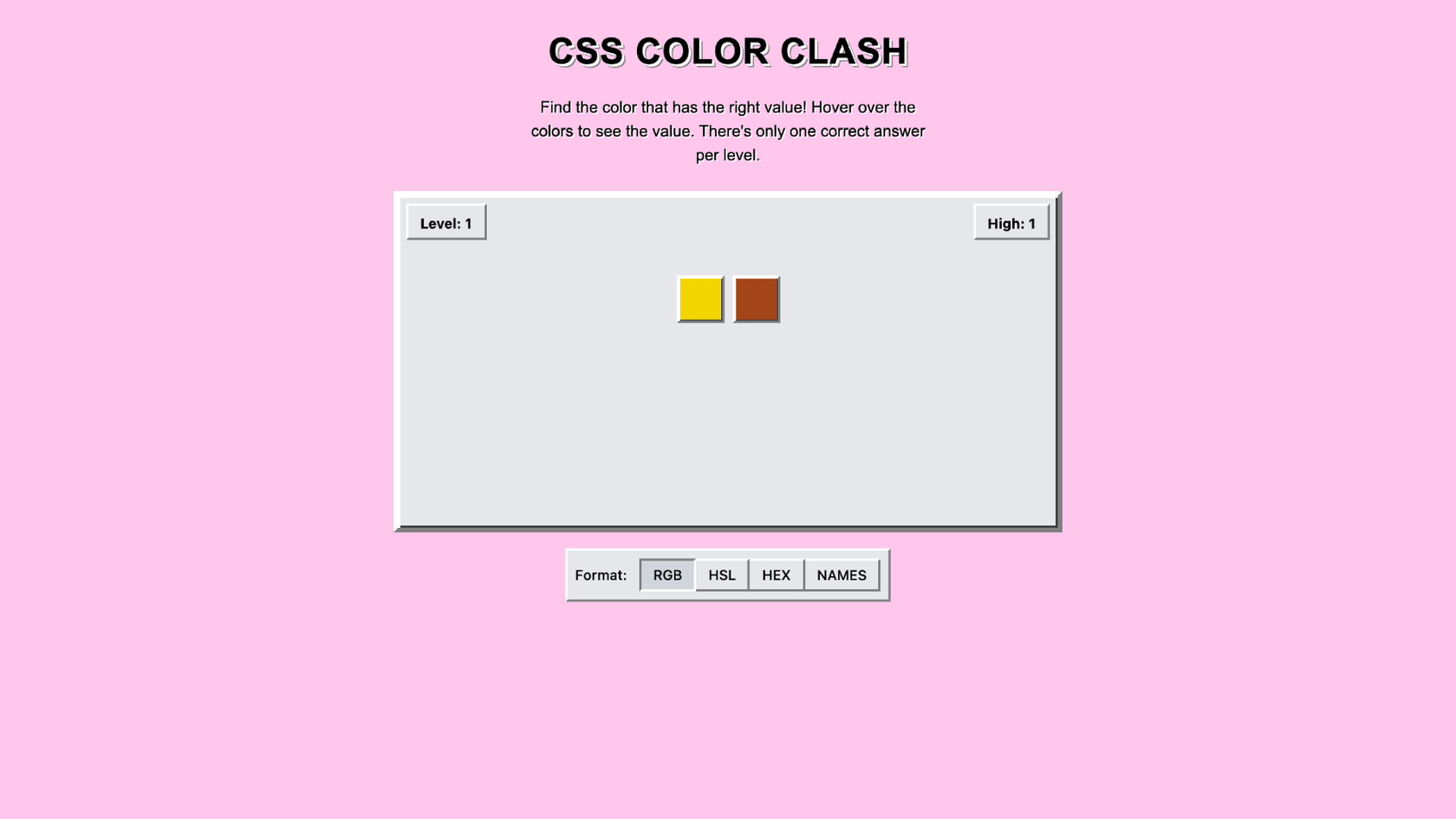
Turn game ideas into playable puzzles
Skip the dev backlog and bring your concepts to life as interactive puzzle games, all from natural language prompts.
Skip to main content
Go from a spark of an idea to a playable puzzle game, just like that—no coding required. Describe the mechanics, levels, and logic, and Figma Make builds an interactive game you can test and share.
Skip the dev backlog and bring your concepts to life as interactive puzzle games, all from natural language prompts.

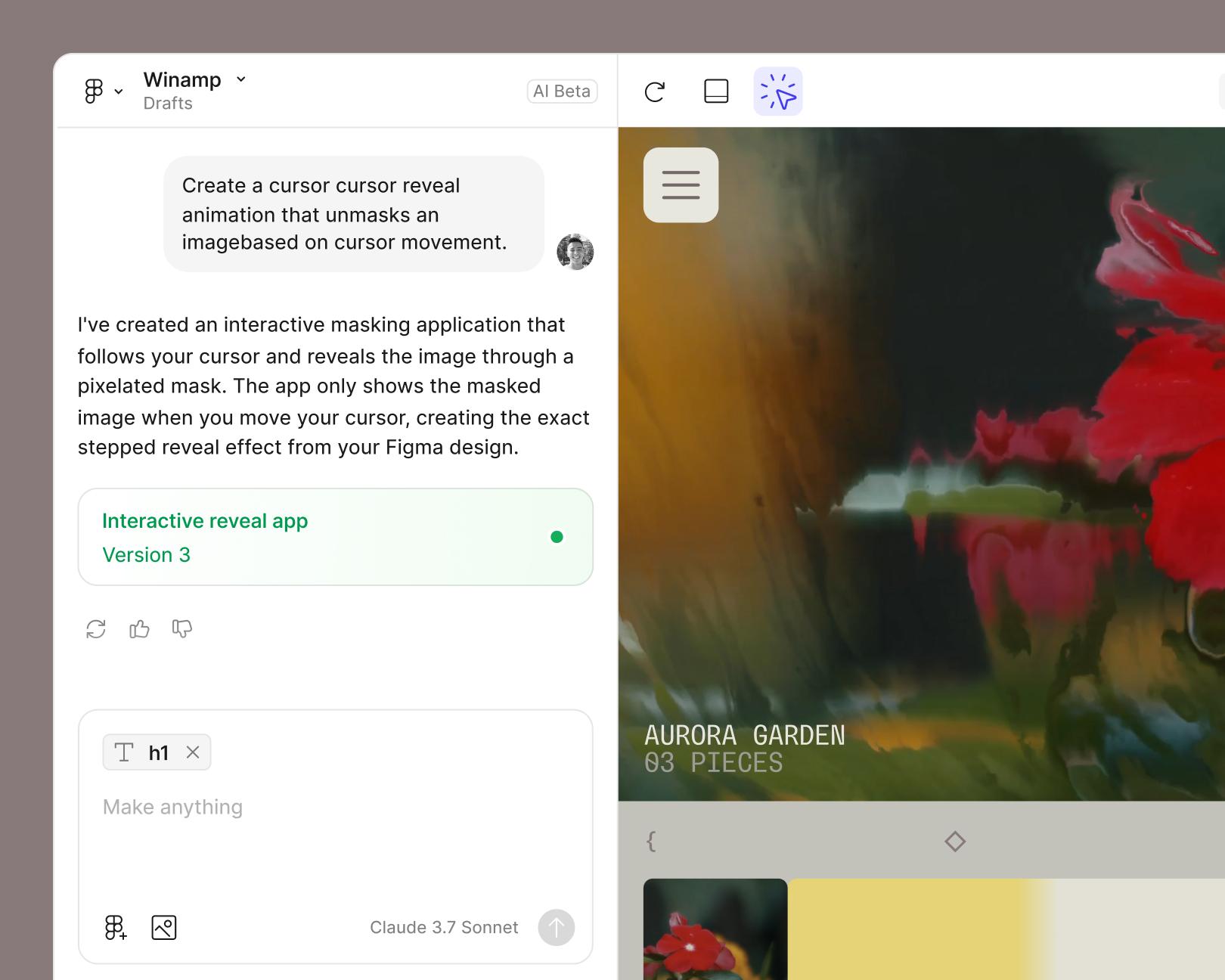
Describe your puzzle mechanics, difficulty curve, and win conditions, and Figma Make generates the structure, logic, and layout automatically.

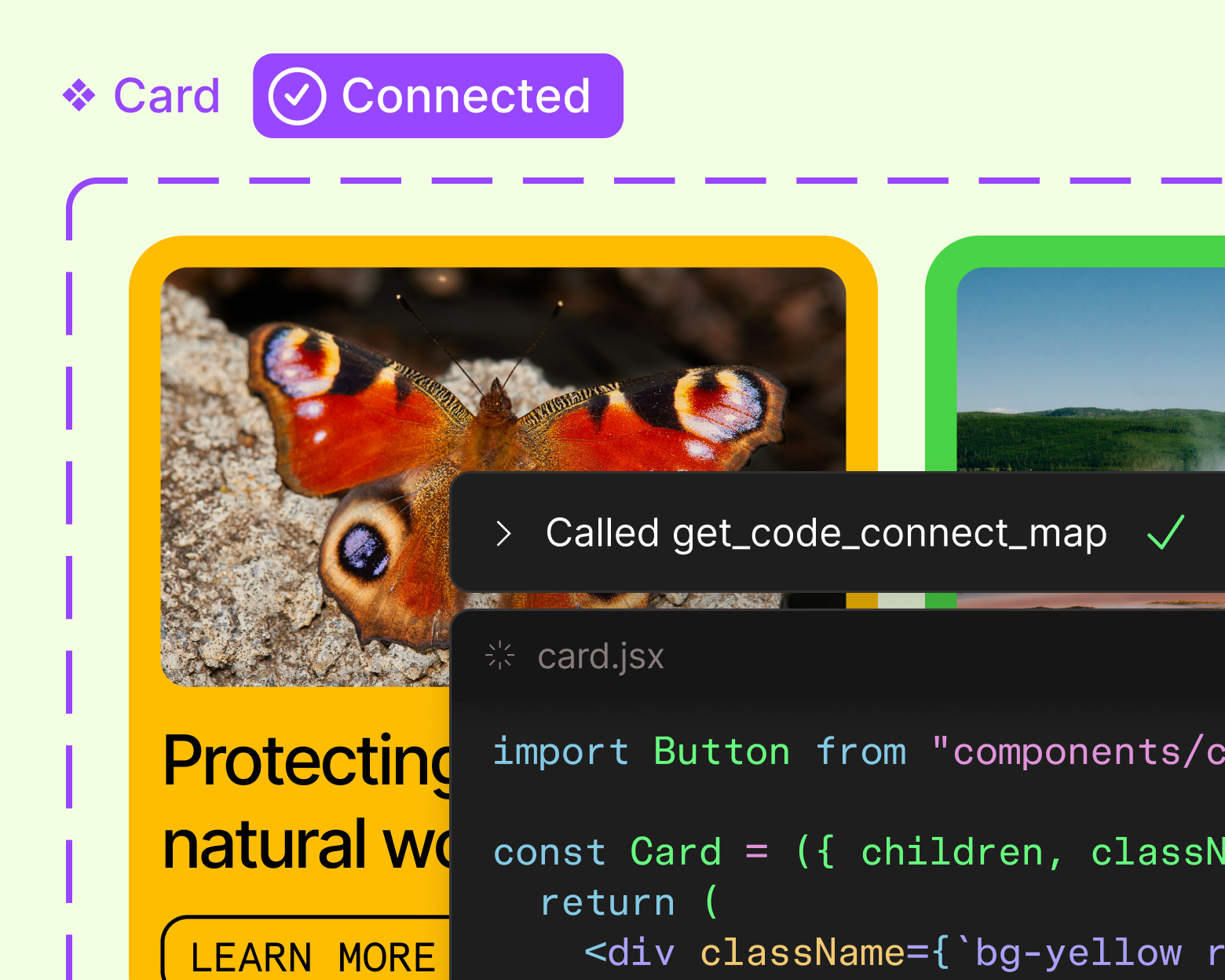
No tool-hopping between design and dev. Figma Make keeps you in flow from first concept to final playtest.

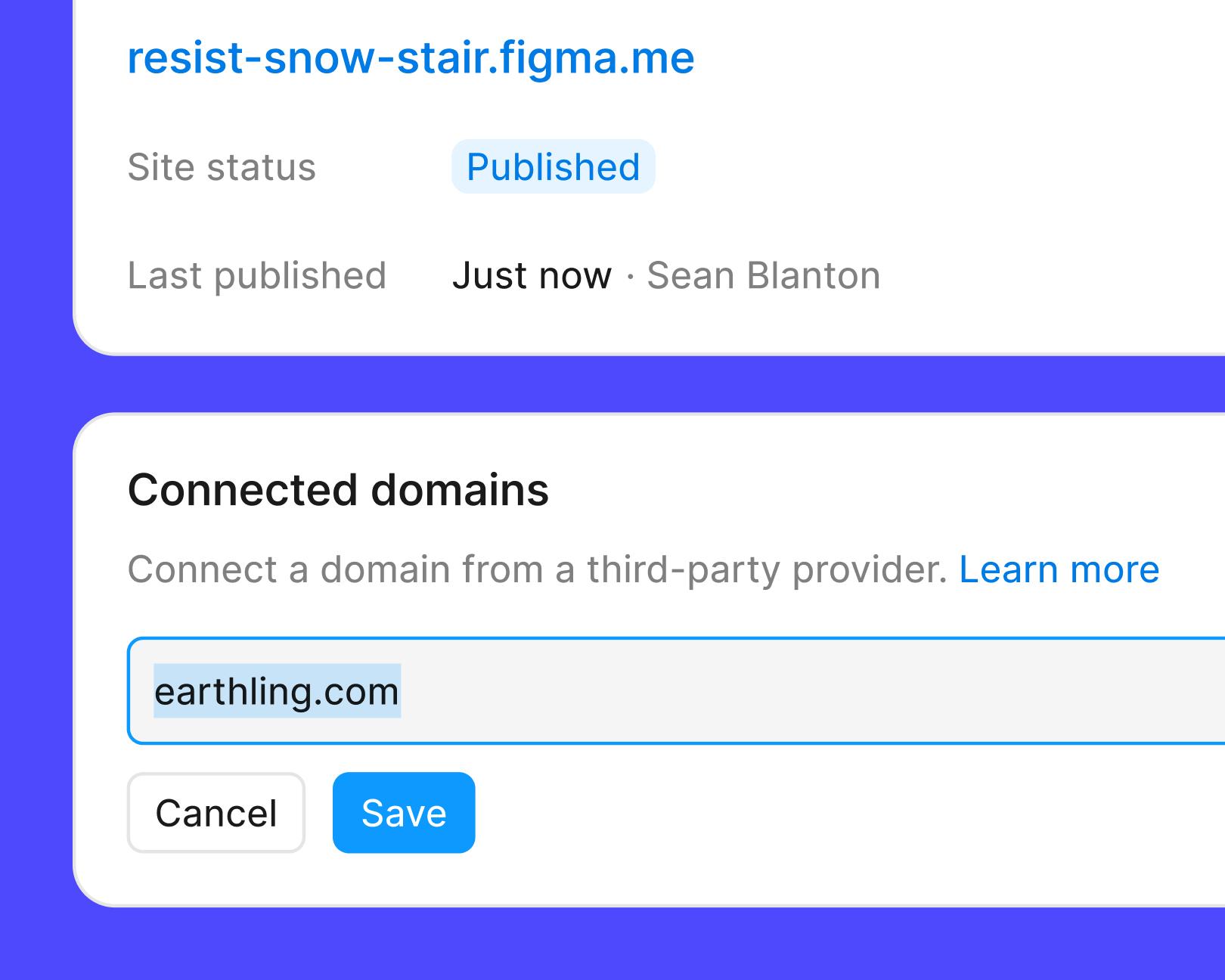
Send a link to teammates for feedback, or publish your puzzle game for players everywhere.
See how makers, designers, and PMs are using Figma Make to build no-code web apps—from internal tools to product MVPs.


AI tools are changing how teams build products—from where they start to what carries through to production. Here's what that shift looks like across four organizations.
From visual editing to contextual prompting and collaboration, Figma Make is expanding how teams can design with code.


While everyone’s talking about “tokenmaxxing,” we’ve compiled seven best practices to help you build smarter—without prompting more—in Figma Make.
For our annual April Fun Day, we used Figma Make, Weave, and MCP to build six mini games that captured the spirit of play. Here’s what we learned.

Starting today, Make kits and Make attachments bring context into Figma Make, so prototypes start from real components, data, and constraints.
From a multiplayer embroidery sampler to a photo booth that works across time zones, this year's Make-a-thon winners offer new ways to connect, reflect, and play through software.

Learn about Model Context Protocol (MCP), the open standard that simplifies AI integration like a USB-C for data.


Vibe coding combines mood-driven design with seamless coding to create immersive digital experiences that connect emotionally and function flawlessly.


Building an app requires research and constant iteration to meet customer needs. Learn how to design an app and how Figma can help in this guide.