

Your AI interactive prototype generator, in Figma Make
Go from concept to click-ready UI with an AI interactive prototype generator—design, behaviors, and testable flows in one place.
Design faster with an AI interactive prototype generator
Turn ideas into interactive flows
Describe screens and behaviors in natural language—Figma Make generates structure, navigation, and interactions automatically.
Generate front-end code with AI
Build layouts and components instantly, then refine or export usable code for your project.
Design and test in one place
Keep design, prototyping, and iteration in flow—preview responsive behavior and refine details without switching tools.
Publish when you’re ready
Turn your ideas into live, responsive experiences. Publish your Make straight from Figma.
Built by real designers.
See what designers are building with AI UI tools in Figma Make—from marketing pages to product dashboards to mobile-first flows.
- Daniela Muntyan
- Abhiram Ramoju

- Yossef Saeed

- Joshua Guo


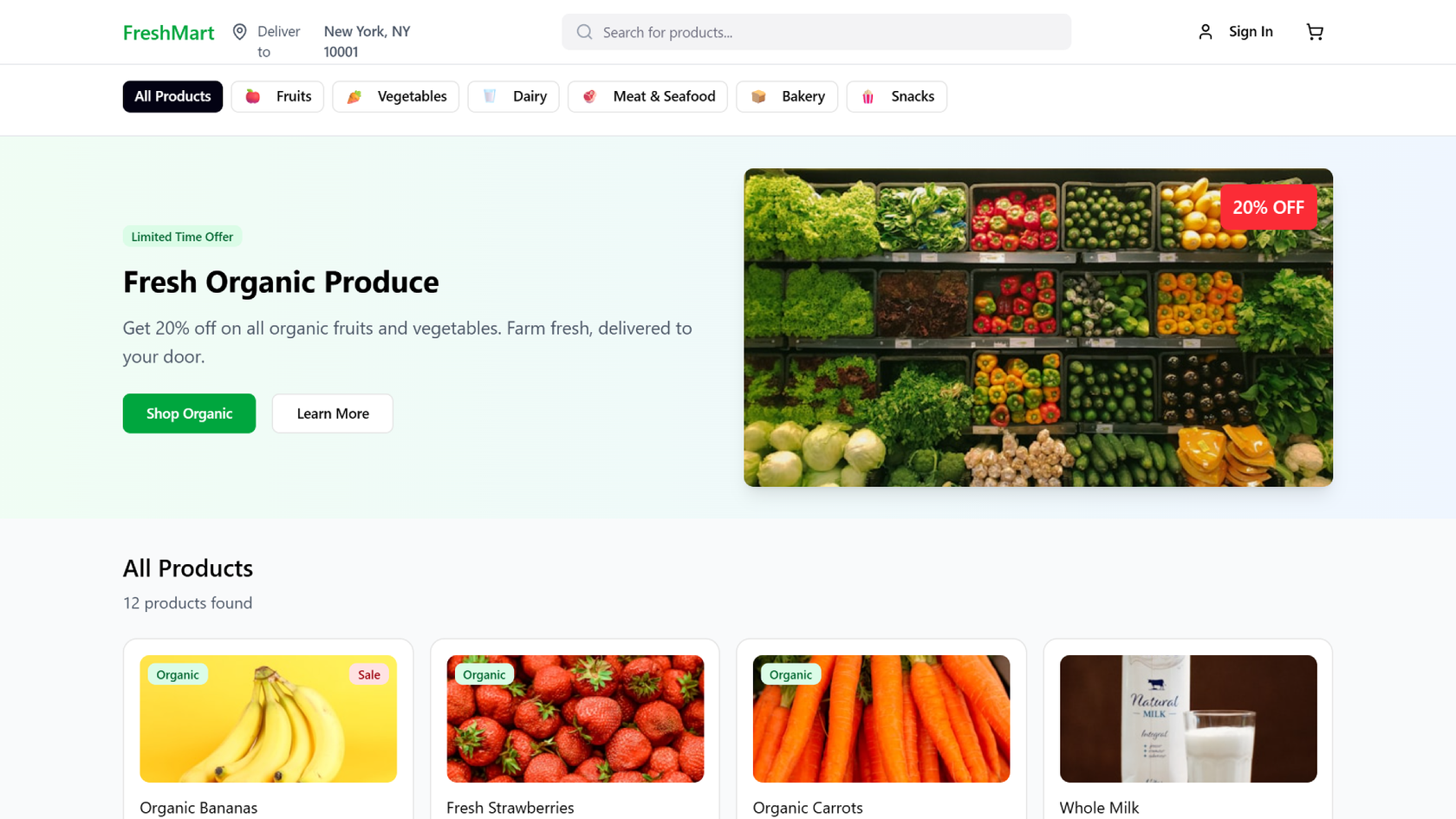


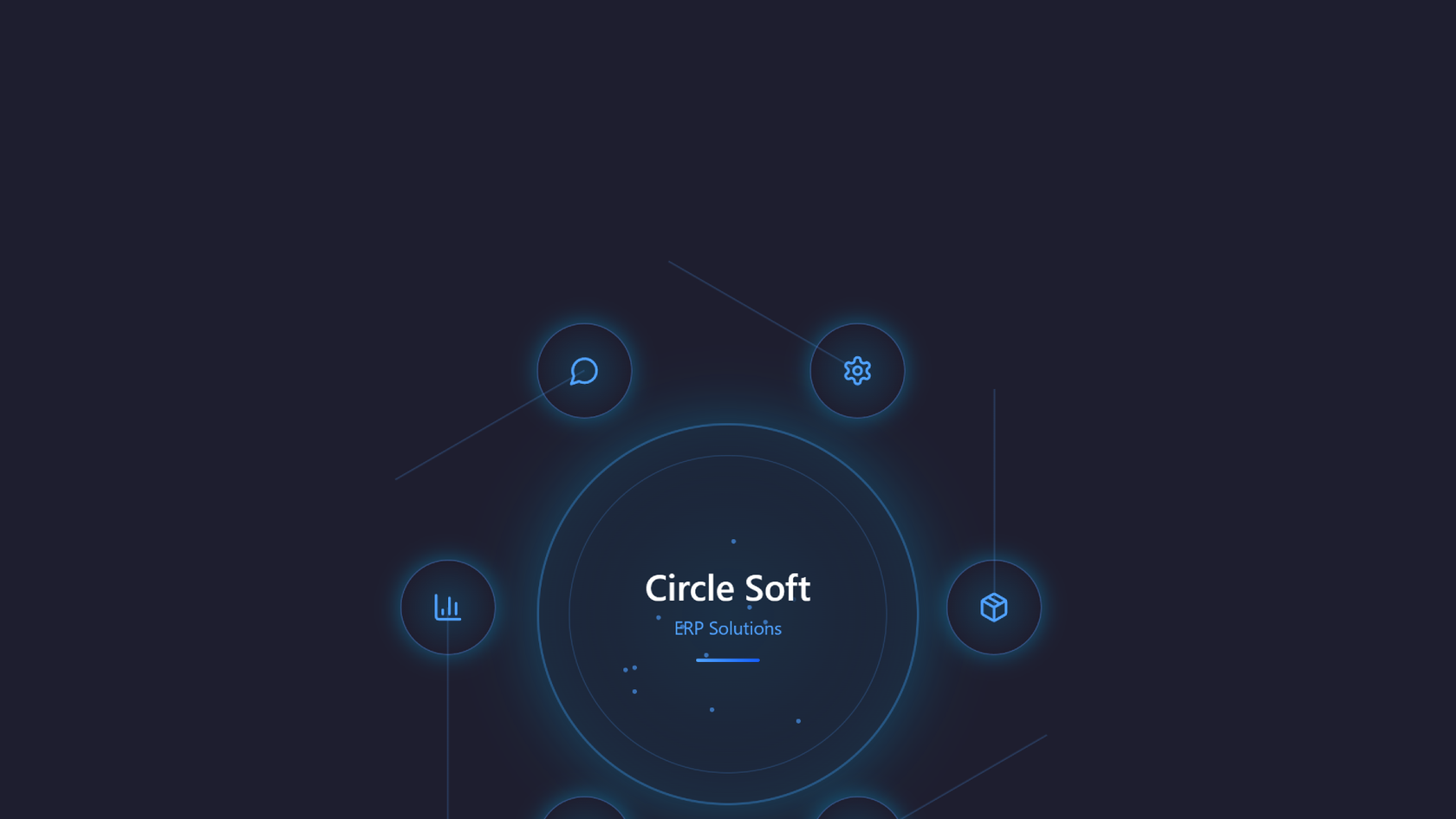


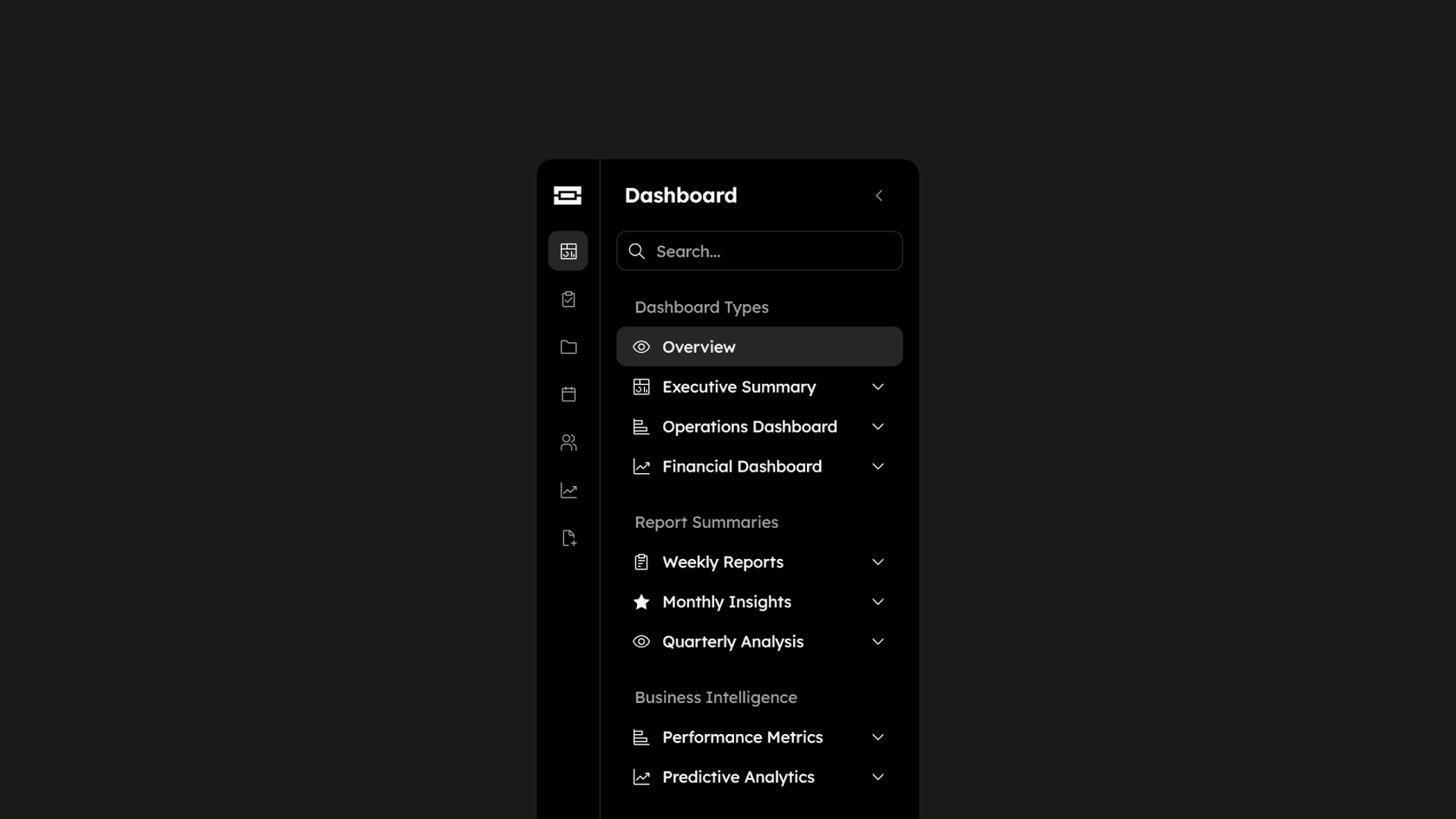

How to generate an interactive prototype with AI in Figma Make
FAQs
From the blog
Workflow lab: Deploying designs directly with Figma Make
The handoff from design to code doesn't have to be a one-way street. This workflow shows how a designer can connect a codebase to Figma Make, make the changes directly, and bring the whole team into review—right up to the PR.

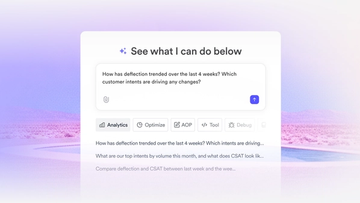
How Decagon uses AI for design system saturation
The fast-growing customer experience platform explains how Figma MCP and Figma Make helped them scale a new design system and keep pace with customer requests.
GPT-5.6 is now available in Figma Make
With accurate first results and fast iterations, OpenAI’s GPT-5.6 gives your builds a strong start in Figma Make.

Got skills? Make the Figma agent a better collaborator
From sharing your best thinking to learning from your team’s go-to prompts, here’s what skills unlock in the Figma agent.

4 ways we’re using our MCP server at Figma
The Figma MCP server reaches further across the platform than it ever has. From updating a living deck to shipping a design to production—here's what that looks like in practice.


4 new ways to go from idea to product with AI tools
AI tools are changing how teams build products—from where they start to what carries through to production. Here's what that shift looks like across four organizations.