
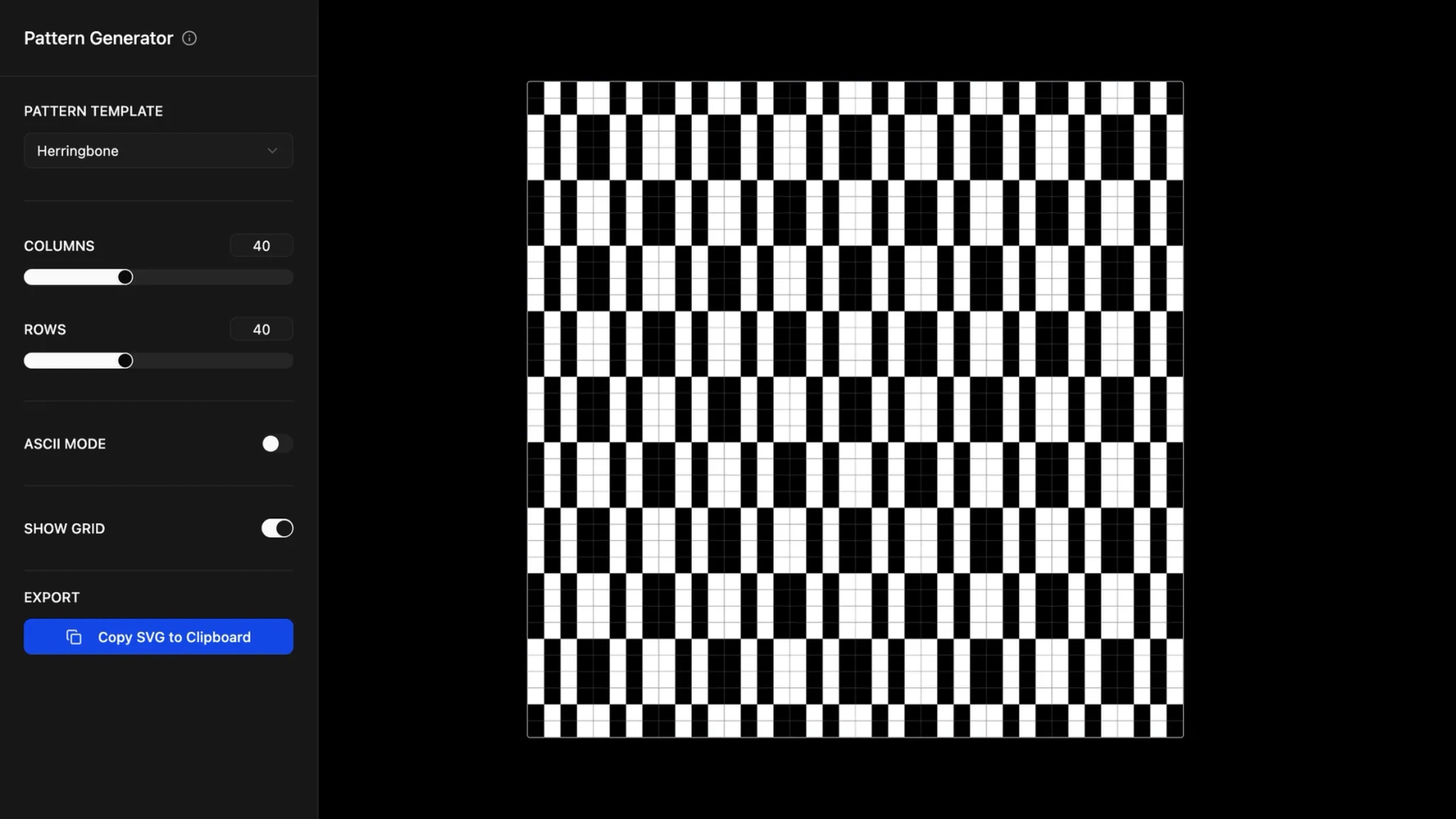

Build websites with AI in Figma Make
Go from idea to responsive, interactive site—no coding required.
Go from idea to live website with AI

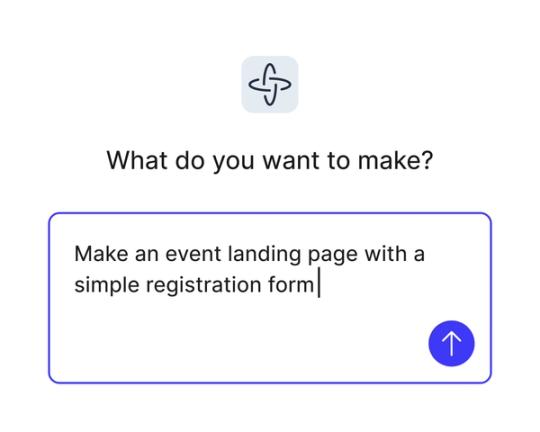
Build websites with natural language
Describe your site in everyday language, and Figma Make generates layout, structure, and interactions—automatically.

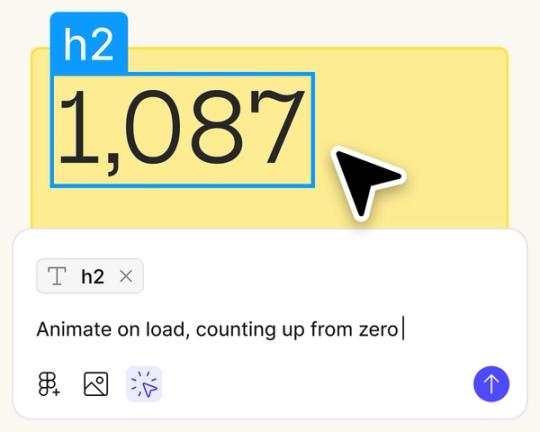
Design and build in one place
No need to switch between tools. Figma Make keeps you in flow from first frame to final handoff.

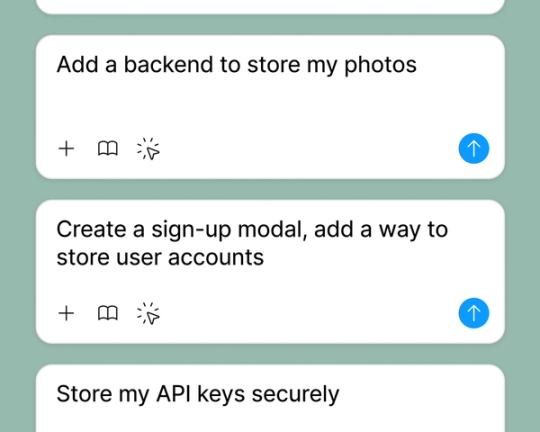
Add real data in seconds
Connect to a backend to simulate dynamic content and test how your site behaves before publishing.

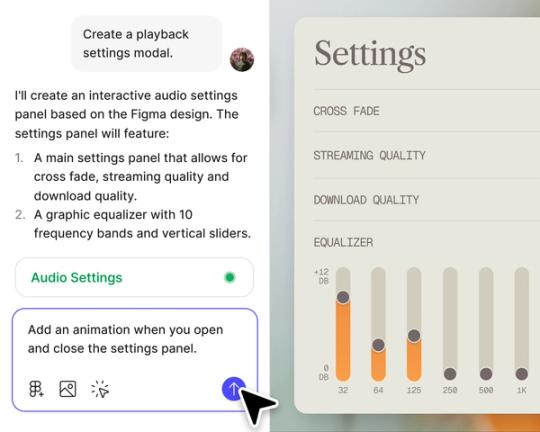
Create responsive, interactive pages
Add animations, layout behaviors, and logic to make your site feel polished - no code needed.
Built by our community
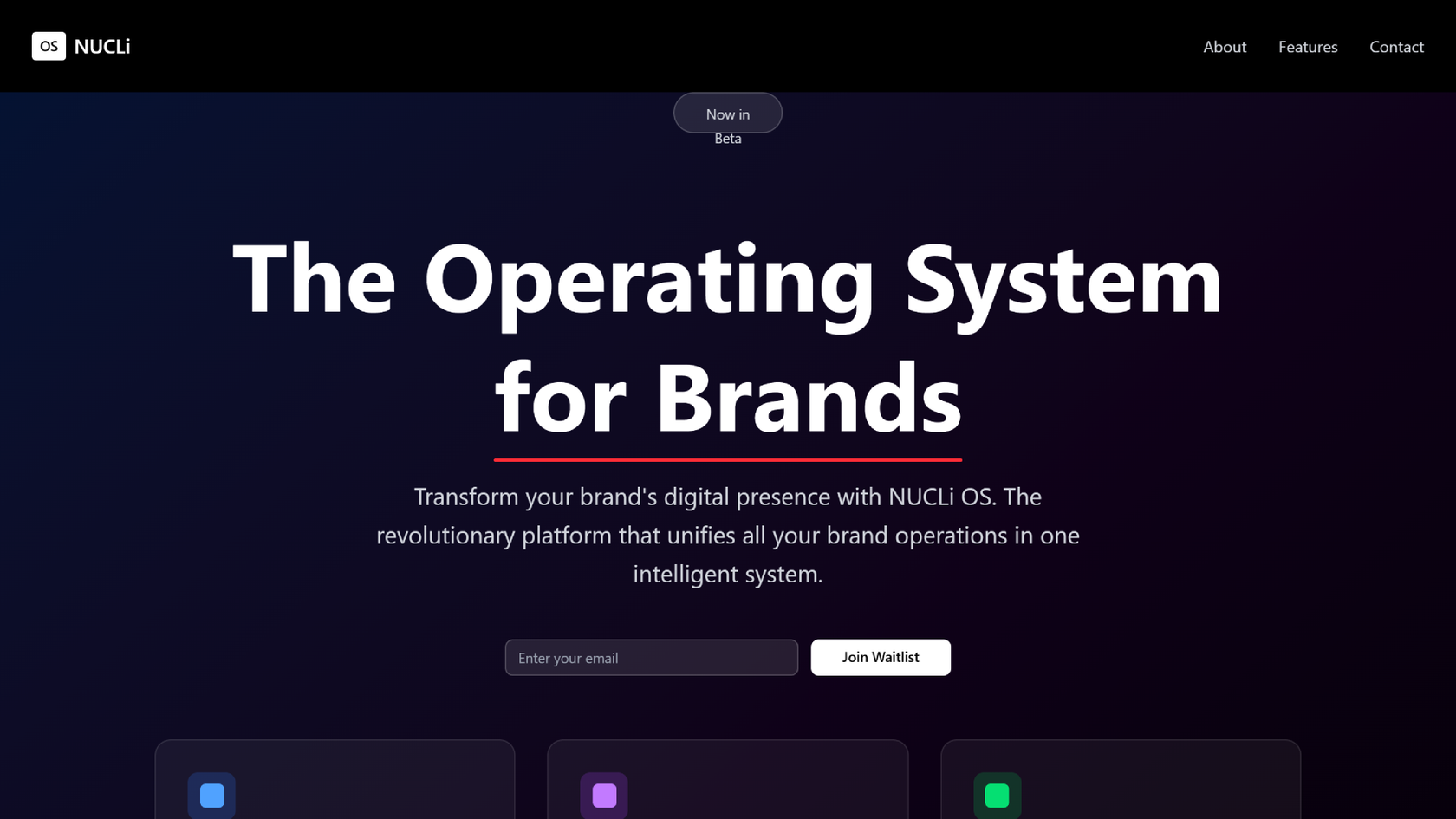
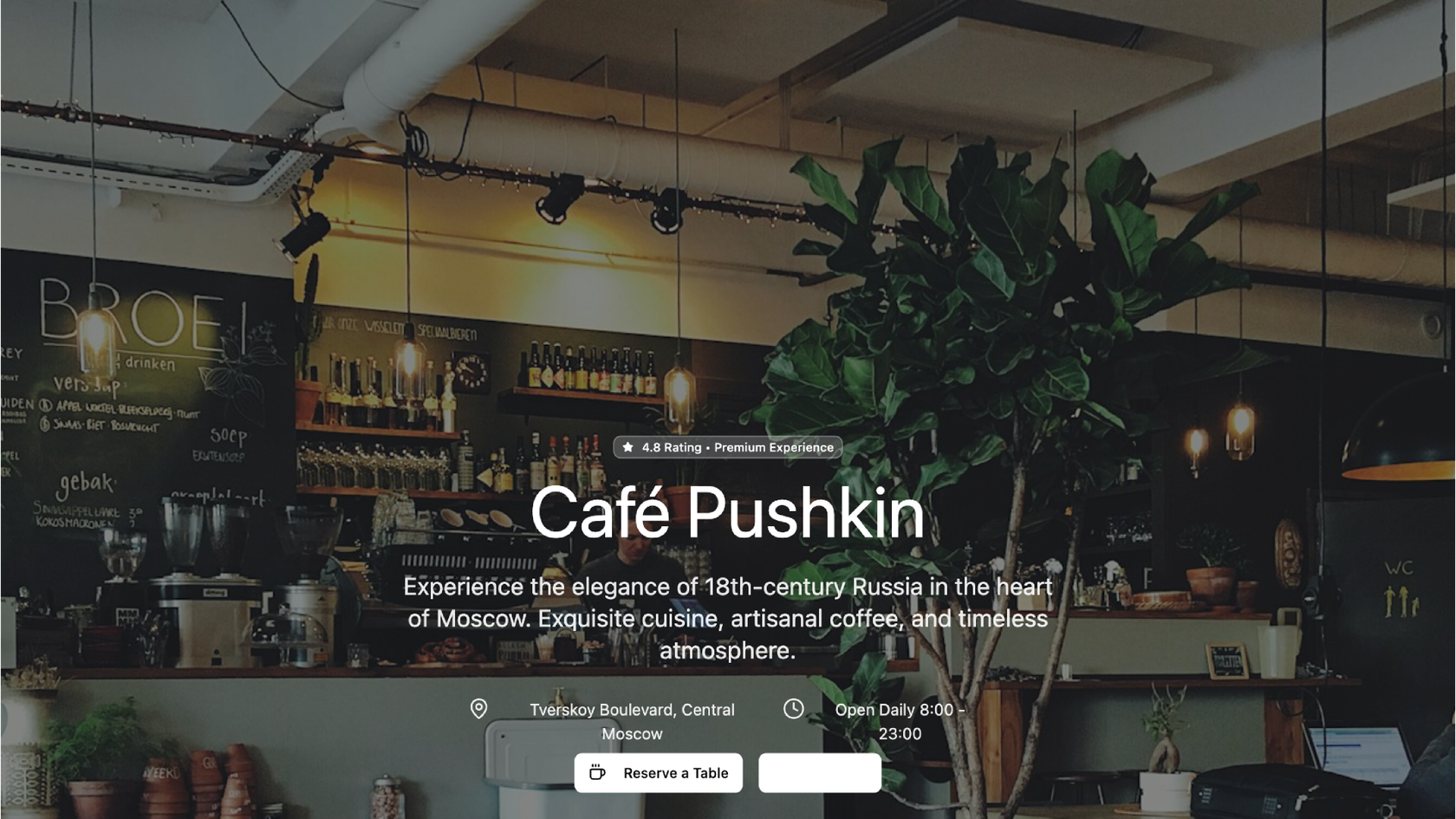
Get inspired by incredible websites created with our AI website builder. From startups to enterprises, see what's possible when creativity meets AI.
- Benjamin Leonard
- arshaikh

- abdullahimeg

- AI generator








How to build a website with AI in Figma Make
Start from scratch in Figma Make or use an existing frame from Figma Design.
Use natural language to define your layout, sections, and content.
Figma Make builds a responsive, styled site complete with real interactions.
Prompt for changes, add animations, or connect data. Publish when you’re ready.
FAQs
A no code website builder lets you describe what you want in natural language, then generates a working, responsive website. Figma Make turns prompts into styled, interactive pages—no coding required.
Yes. You can design, test, and publish fully interactive sites using Figma Make. It’s fast, flexible, and designed for modern teams.
No. Figma Make works entirely with prompts and visual editing. You can explore or edit the code if needed.
You can try Figma Make for free on the Starter plan. Advanced features are available on paid plans.
Landing pages, portfolios, product sites, blogs, and more.
Yes. Connect your site to a backend to use it with dynamic data.
Yes. On eligible plans, you can publish to the web with a shareable link or connect a custom domain.
From the blog


4 ways we’re using our MCP server at Figma
The Figma MCP server reaches further across the platform than it ever has. From updating a living deck to shipping a design to production—here's what that looks like in practice.


4 new ways to go from idea to product with AI tools
AI tools are changing how teams build products—from where they start to what carries through to production. Here's what that shift looks like across four organizations.
Figma Make, now on your local code
From visual editing to contextual prompting and collaboration, Figma Make is expanding how teams can design with code.

7 tips for using Figma Make credits more efficiently
While everyone’s talking about “tokenmaxxing,” we’ve compiled seven best practices to help you build smarter—without prompting more—in Figma Make.
How Figma AI tools helped us bring extra delight to the canvas
For our annual April Fun Day, we used Figma Make, Weave, and MCP to build six mini games that captured the spirit of play. Here’s what we learned.

Build with more context and more control in Figma Make
Starting today, Make kits and Make attachments bring context into Figma Make, so prototypes start from real components, data, and constraints.
More resources

What is MCP?
Read articleLearn about Model Context Protocol (MCP), the open standard that simplifies AI integration like a USB-C for data.

What is Vibe coding?
Read articleVibe coding combines mood-driven design with seamless coding to create immersive digital experiences that connect emotionally and function flawlessly.


How to design an app in five steps
Read articleBuilding an app requires research and constant iteration to meet customer needs. Learn how to design an app and how Figma can help in this guide.