

From prompt to app, faster than ever
Turn your idea into a prototype or full-blown app. No coding required.
Prompt your way to polished, working prototypes

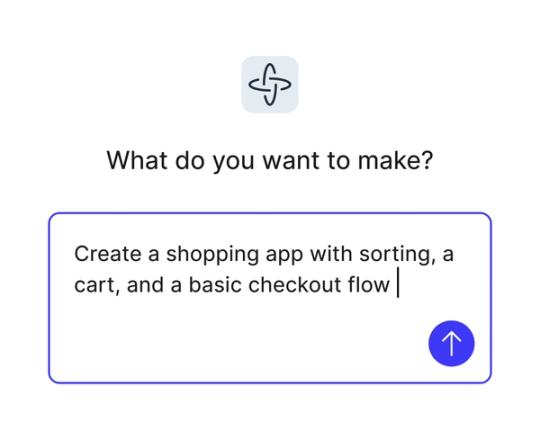
Turn ideas into reality
Skip the dev backlog and bring your concepts to life as interactive flows, dashboards, and complete apps from simple natural language prompts.

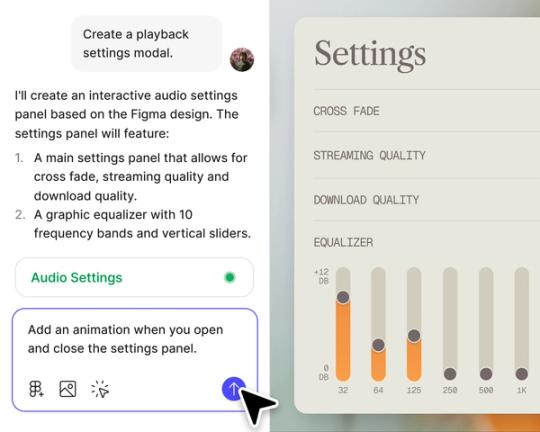
Edit and iterate with AI
Start with prompts, then refine in the visual editor, adjust the code for more control, or prompt again to explore new directions.

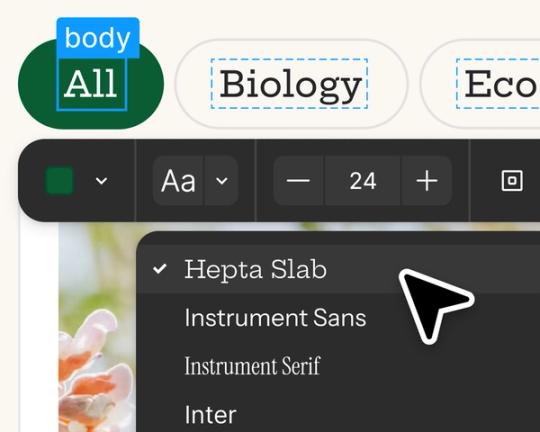
Design and build in one place
Stay in flow as you create, test, and refine in a single workspace, without switching between design and dev tools.

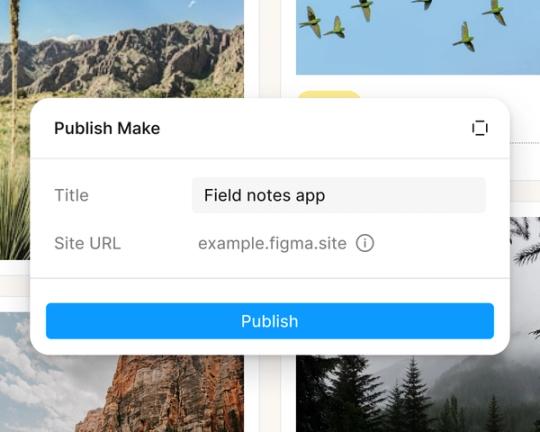
Share or publish your prototype
Share with just your team or launch publicly.
Built by real teams
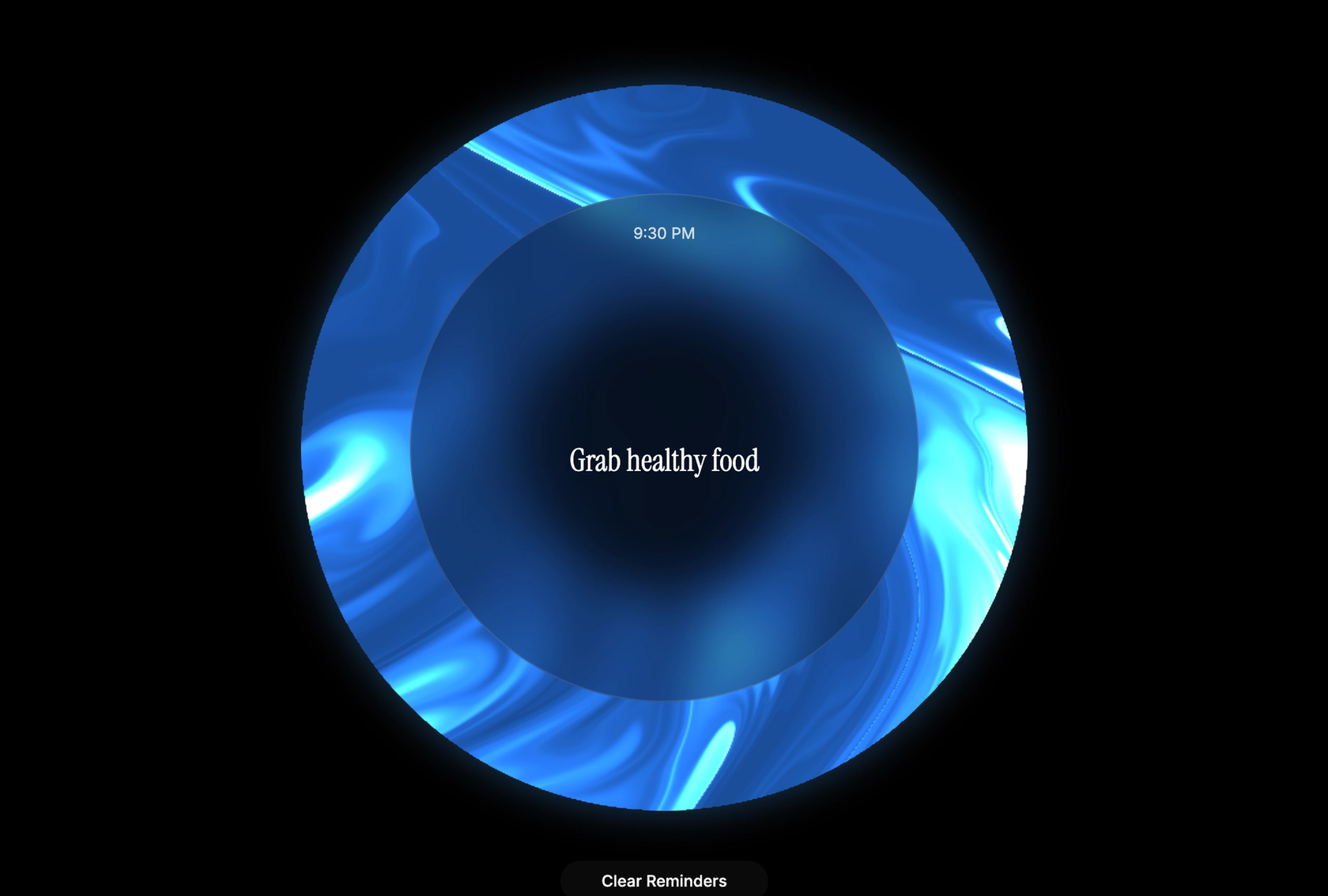
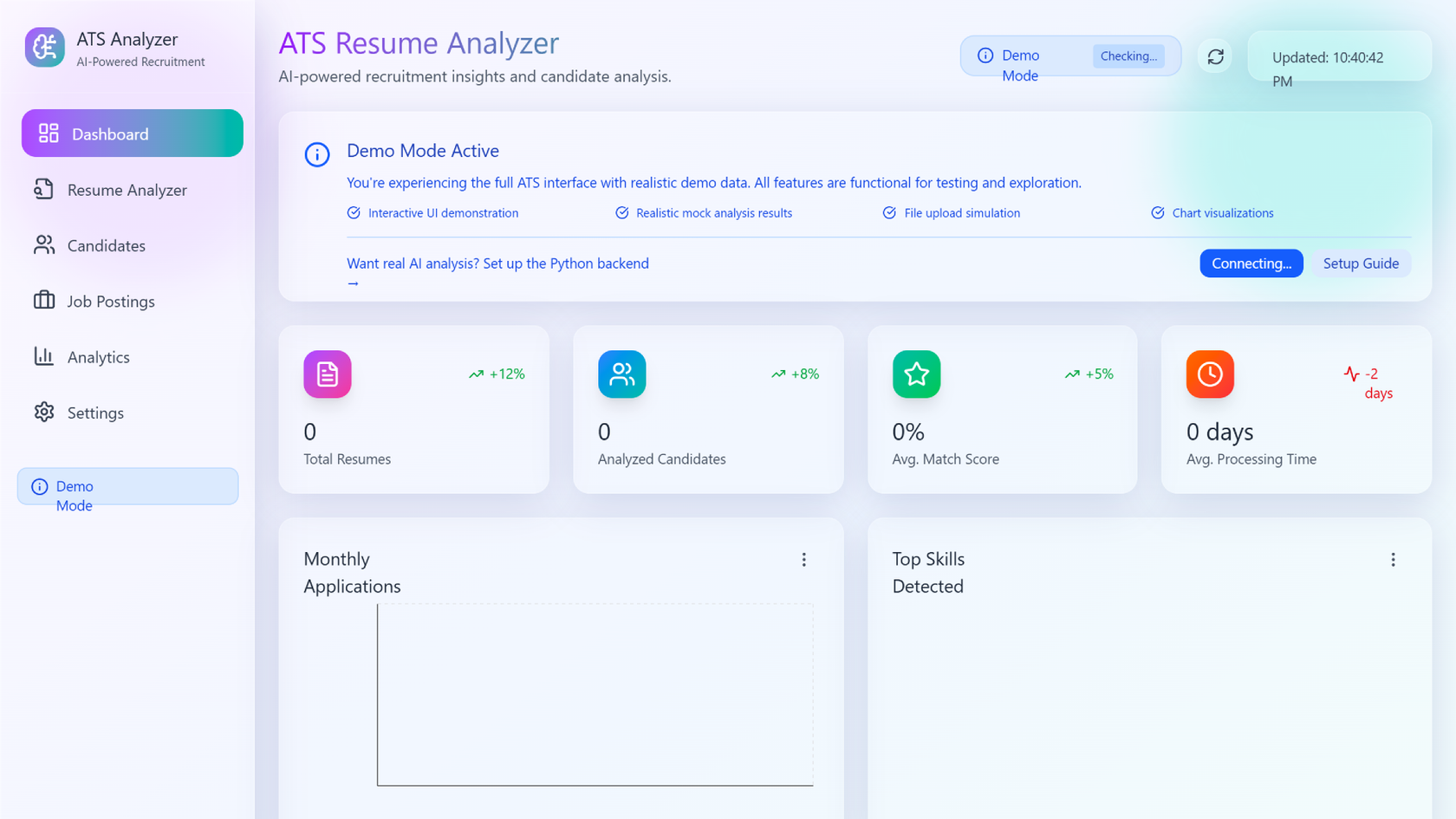
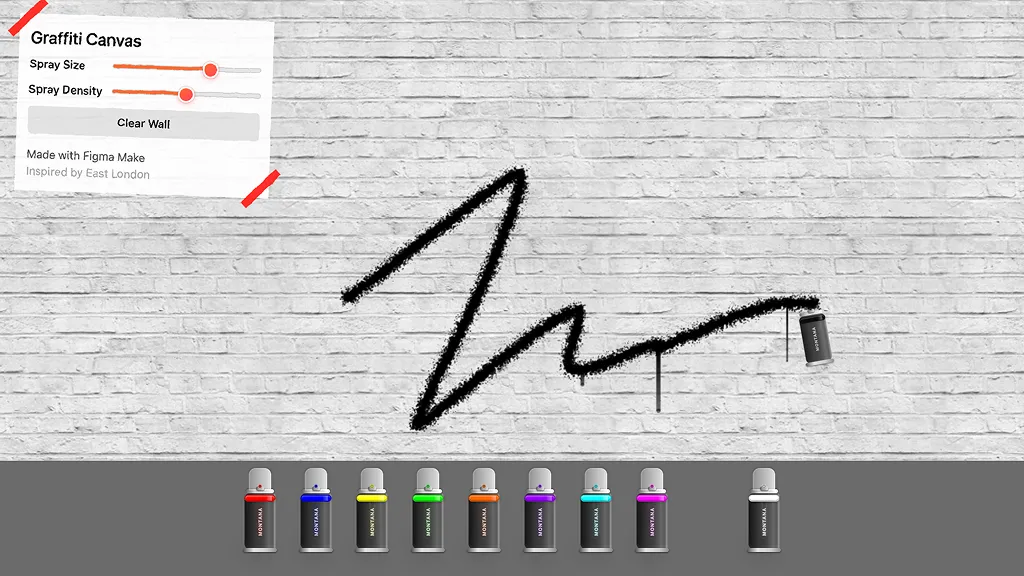
See how makers, designers, and PMs are using Figma Make to build no-code web apps—from internal tools to product MVPs.
- Jacques Debeuneure Jr.
- Daniela Muntyan

- kishoree04u

- Seungmee Lee







How to go from prompt to app in Figma Make
Start from scratch in Figma Make or use an existing frame from Figma Design.
Use a natural language prompt to define the layout, flow, and functionality you want.
Figma Make turns your prompt into an interactive, data-connected prototype.
To tweak layout, add animation, or adjust logic, just prompt again. Or refine directly in the editor.
FAQs
“Prompt to app” means you can turn static ideas into functional apps just by describing what you want. In Figma Make, you can prototype interactions, behaviors, and layouts—all with natural language.
Yes. Copy any frame or component from your Figma Design file into Figma Make. Then use natural language as a prompt to bring it to life.
No coding needed. But if you want to customize further, a built-in code editor is available.
You can try Figma Make for free on the Starter plan. Advanced features are available on paid plans.
You can build anything from simple flows to full-featured prototypes with real data and responsive layouts.
Yes. Figma Make integrates with a backend so you can use real content or API data.
Yes, you can publish a Figma Make app.
Figma's State of the Designer 2026 report found that 89% of designers who increased their AI usage say it helps them work faster, and teams championing AI are more likely to say their company is growing faster than the industry average (41% vs. 33% for those whose usage has stayed flat).
Yes, and it's becoming the norm. Figma's State of the Designer 2026 report found that 72% of designers now use generative AI in their workflows, with 98% increasing their usage in the last year. AI tools are also pulling non-designers deeper into the design process, helping PMs and developers turn ideas into tangible artifacts that cross-functional teams can build on.
From the blog

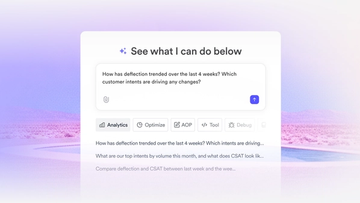
How Decagon uses AI for design system saturation
The fast-growing customer experience platform explains how Figma MCP and Figma Make helped them scale a new design system and keep pace with customer requests.
GPT-5.6 is now available in Figma Make
With accurate first results and fast iterations, OpenAI’s GPT-5.6 gives your builds a strong start in Figma Make.

Got skills? Make the Figma agent a better collaborator
From sharing your best thinking to learning from your team’s go-to prompts, here’s what skills unlock in the Figma agent.

4 ways we’re using our MCP server at Figma
The Figma MCP server reaches further across the platform than it ever has. From updating a living deck to shipping a design to production—here's what that looks like in practice.


4 new ways to go from idea to product with AI tools
AI tools are changing how teams build products—from where they start to what carries through to production. Here's what that shift looks like across four organizations.
Figma Make, now on your local code
From visual editing to contextual prompting and collaboration, Figma Make is expanding how teams can design with code.
More resources

What is MCP?
Read articleLearn about Model Context Protocol (MCP), the open standard that simplifies AI integration like a USB-C for data.

What is Vibe coding?
Read articleVibe coding combines mood-driven design with seamless coding to create immersive digital experiences that connect emotionally and function flawlessly.


How to design an app in five steps
Read articleBuilding an app requires research and constant iteration to meet customer needs. Learn how to design an app and how Figma can help in this guide.