


AI product dashboard generator in Figma Make
Go from idea to an interactive performance dashboard—no coding required. With Figma Make as your AI performance dashboard generator, describe the structure, data, and interactions you want, and watch a functional dashboard take shape in real time.
Build dashboards faster with an AI product dashboard generator
Turn product thinking into dashboards
Skip long docs and translate product strategy directly into structure. Prompt flows, logic, and states—and watch Figma Make generate an organized, testable dashboard instantly.
Prototype dashboards with your design system
Use your team’s components, tokens, and patterns to build dashboards that stay perfectly on-brand. Every chart, panel, and interaction reflects your live design language.
Validate your dashboard with real data
Connect APIs or data sources to preview dashboards with authentic values, states, and behaviors.
Go from dashboard prototype to production
Export functional code aligned with your system. Reduce rework and handoff friction by generating production-ready foundations directly from your dashboard prototype.
Built by real teams.
See how makers, designers, and PMs are using Figma Make to build no-code web apps—from internal tools to product MVPs.
- Jacques Debeuneure Jr.
- Daniela Muntyan

- kishoree04u

- Seungmee Lee


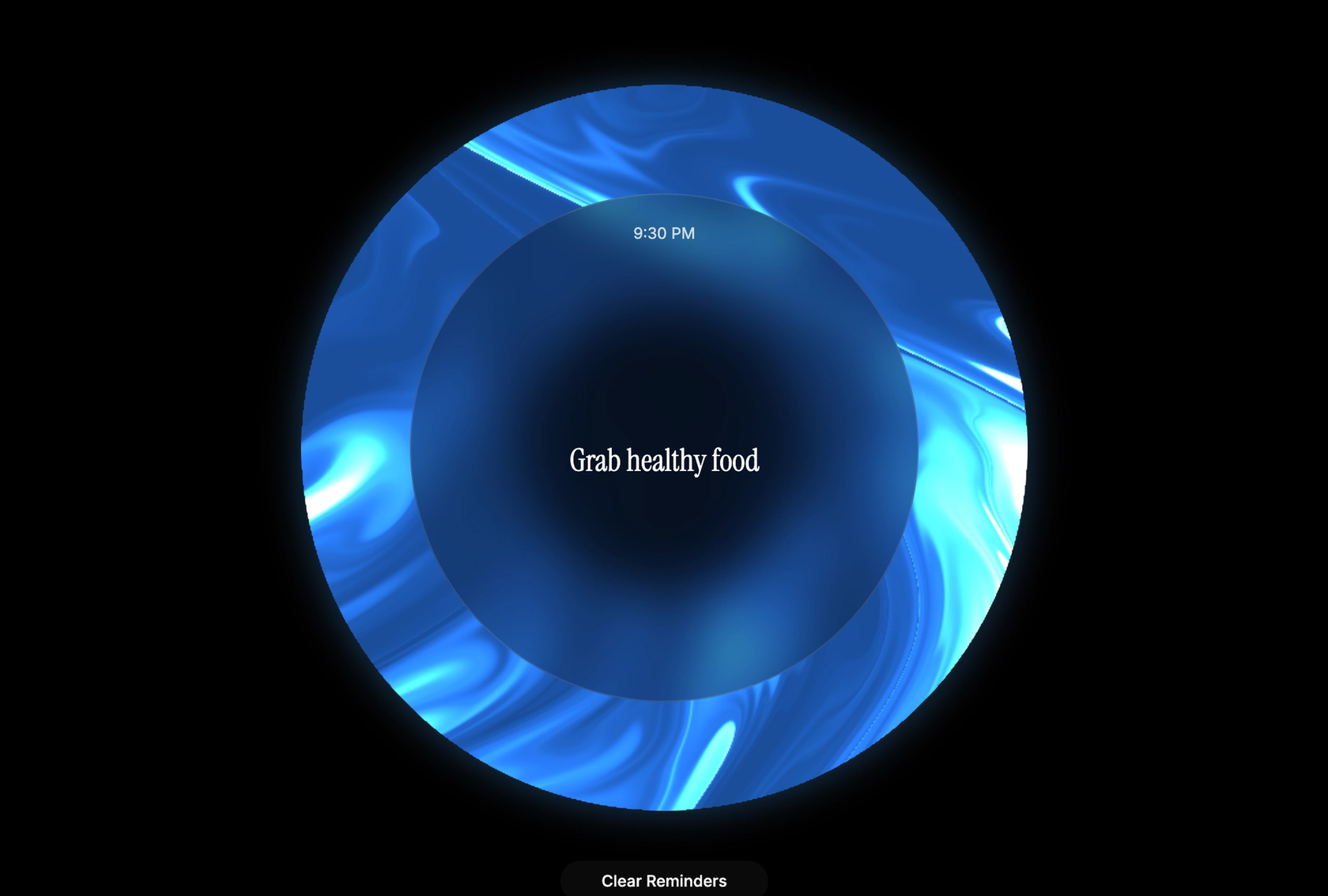


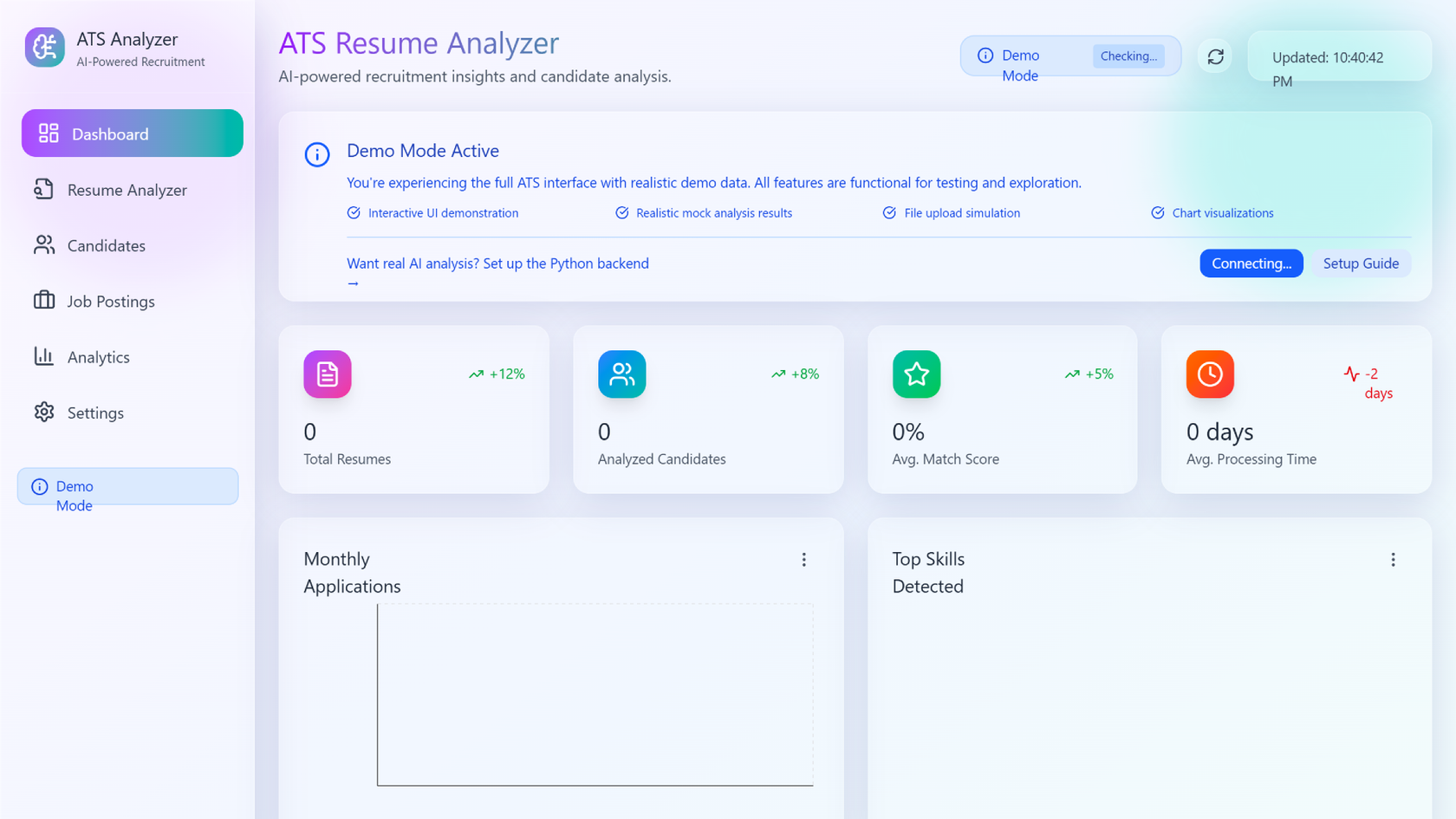


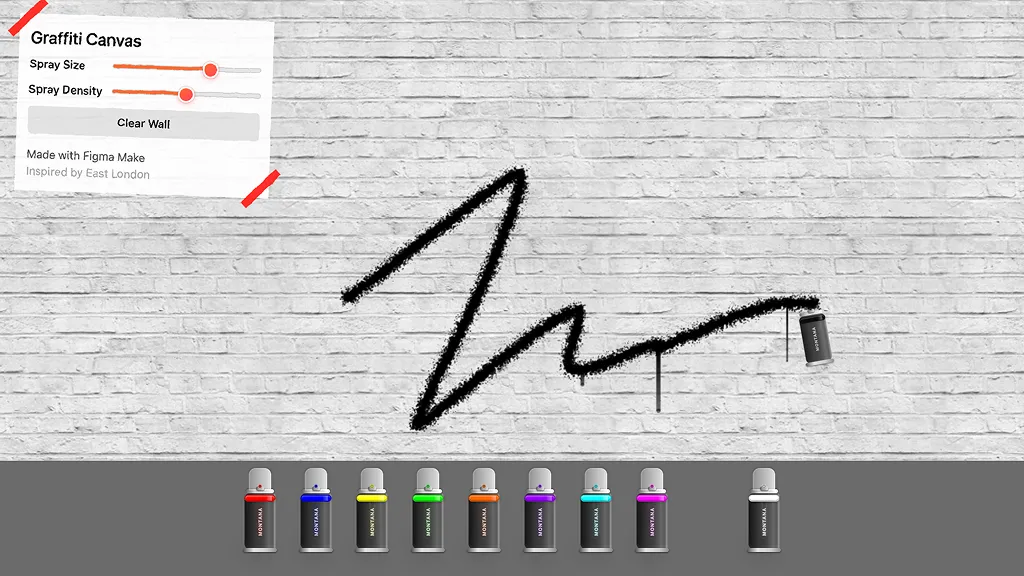

How to create a dashboard with Figma Make
FAQs
From the blog


4 ways we’re using our MCP server at Figma
The Figma MCP server reaches further across the platform than it ever has. From updating a living deck to shipping a design to production—here's what that looks like in practice.


4 new ways to go from idea to product with AI tools
AI tools are changing how teams build products—from where they start to what carries through to production. Here's what that shift looks like across four organizations.
Figma Make, now on your local code
From visual editing to contextual prompting and collaboration, Figma Make is expanding how teams can design with code.

7 tips for using Figma Make credits more efficiently
While everyone’s talking about “tokenmaxxing,” we’ve compiled seven best practices to help you build smarter—without prompting more—in Figma Make.
How Figma AI tools helped us bring extra delight to the canvas
For our annual April Fun Day, we used Figma Make, Weave, and MCP to build six mini games that captured the spirit of play. Here’s what we learned.

Build with more context and more control in Figma Make
Starting today, Make kits and Make attachments bring context into Figma Make, so prototypes start from real components, data, and constraints.
More resources

What is MCP?
Read articleLearn about Model Context Protocol (MCP), the open standard that simplifies AI integration like a USB-C for data.


What is Vibe coding?
Read articleVibe coding combines mood-driven design with seamless coding to create immersive digital experiences that connect emotionally and function flawlessly.


How to design an app in five steps
Read articleBuilding an app requires research and constant iteration to meet customer needs. Learn how to design an app and how Figma can help in this guide.