
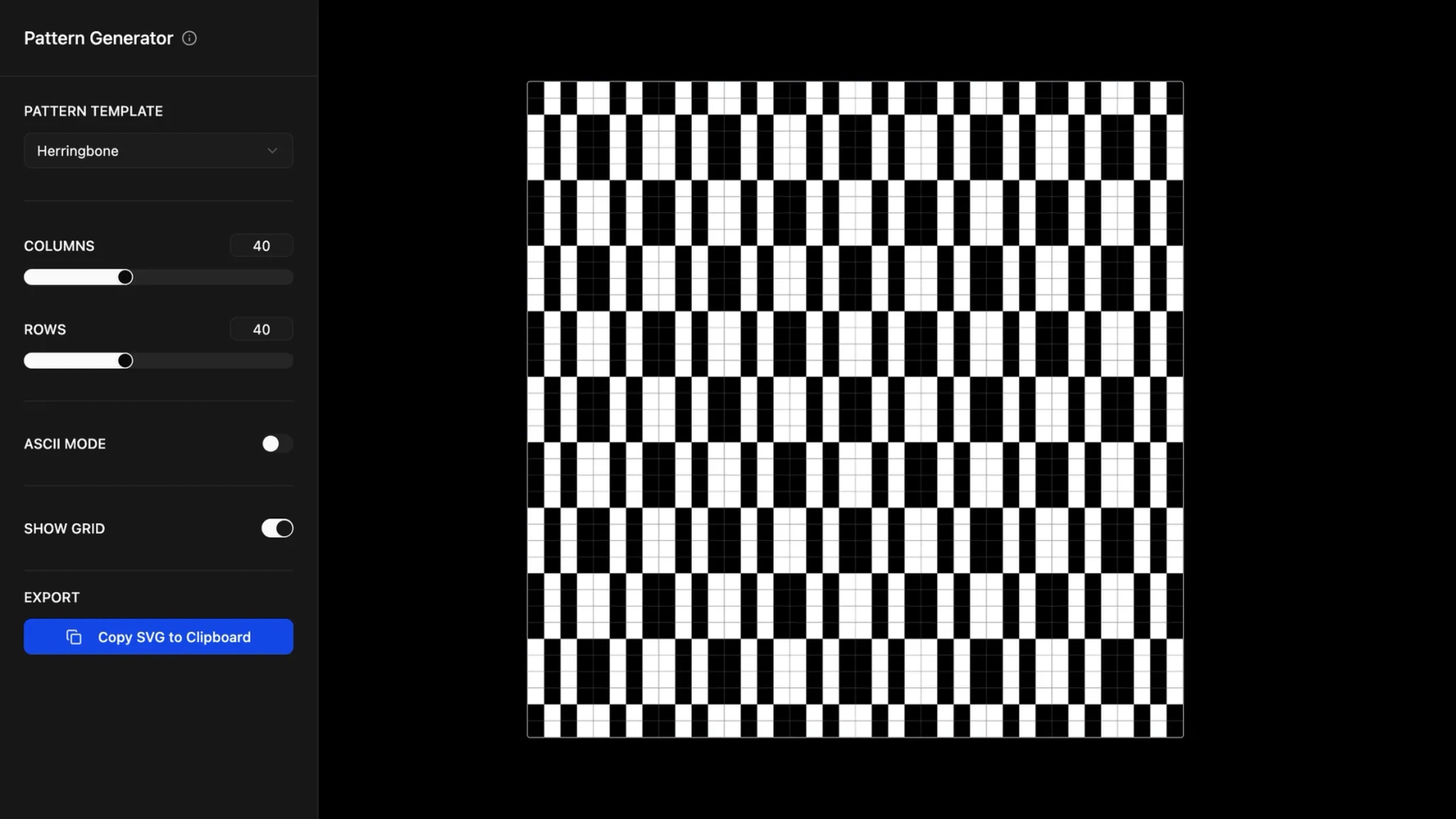

Build education websites with AI in Figma Make
Go from idea to fully responsive site—no code required. Whether it’s for education, freelancers, nonprofits, or startups, Figma Make’s AI website builder gets you live fast.
Go from idea to live education site with AI
Turn ideas into reality
Describe your education site in natural language and see AI generate responsive layouts, pages, and interactions instantly.
Build with real data
Connect your education site to live course data, sign-ups, or events to preview the real experience before publishing.
Stay in one flow
Design and build your education website all in Figma Make—no need to switch tools.
Publish when ready
Share with your team or launch your education site to the world in one click.
Built by our community
Get inspired by incredible websites created with our AI website builder. From startups to enterprises, see what's possible when creativity meets AI.
- Benjamin Leonard
- arshaikh

- abdullahimeg

- AI generator


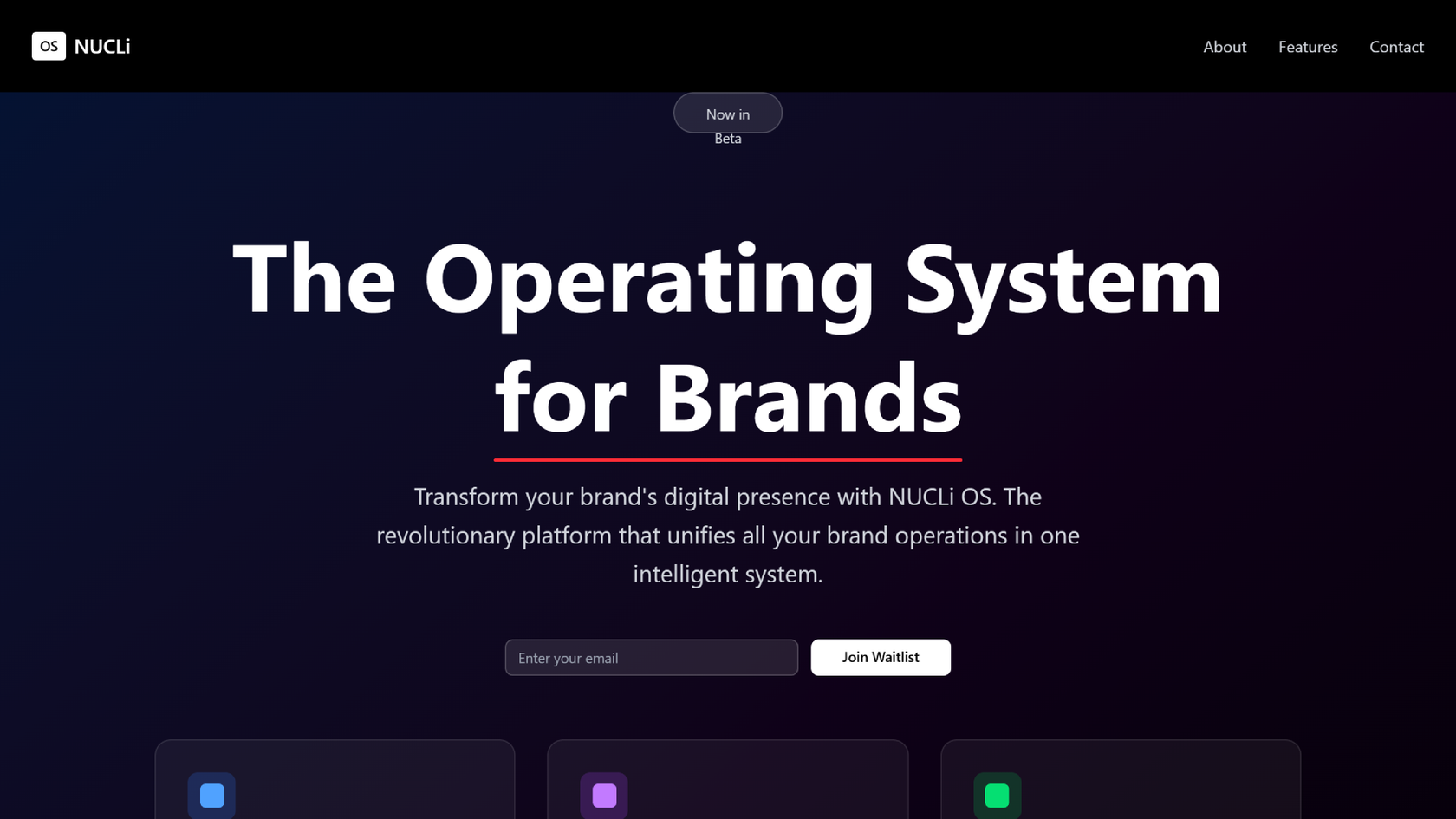


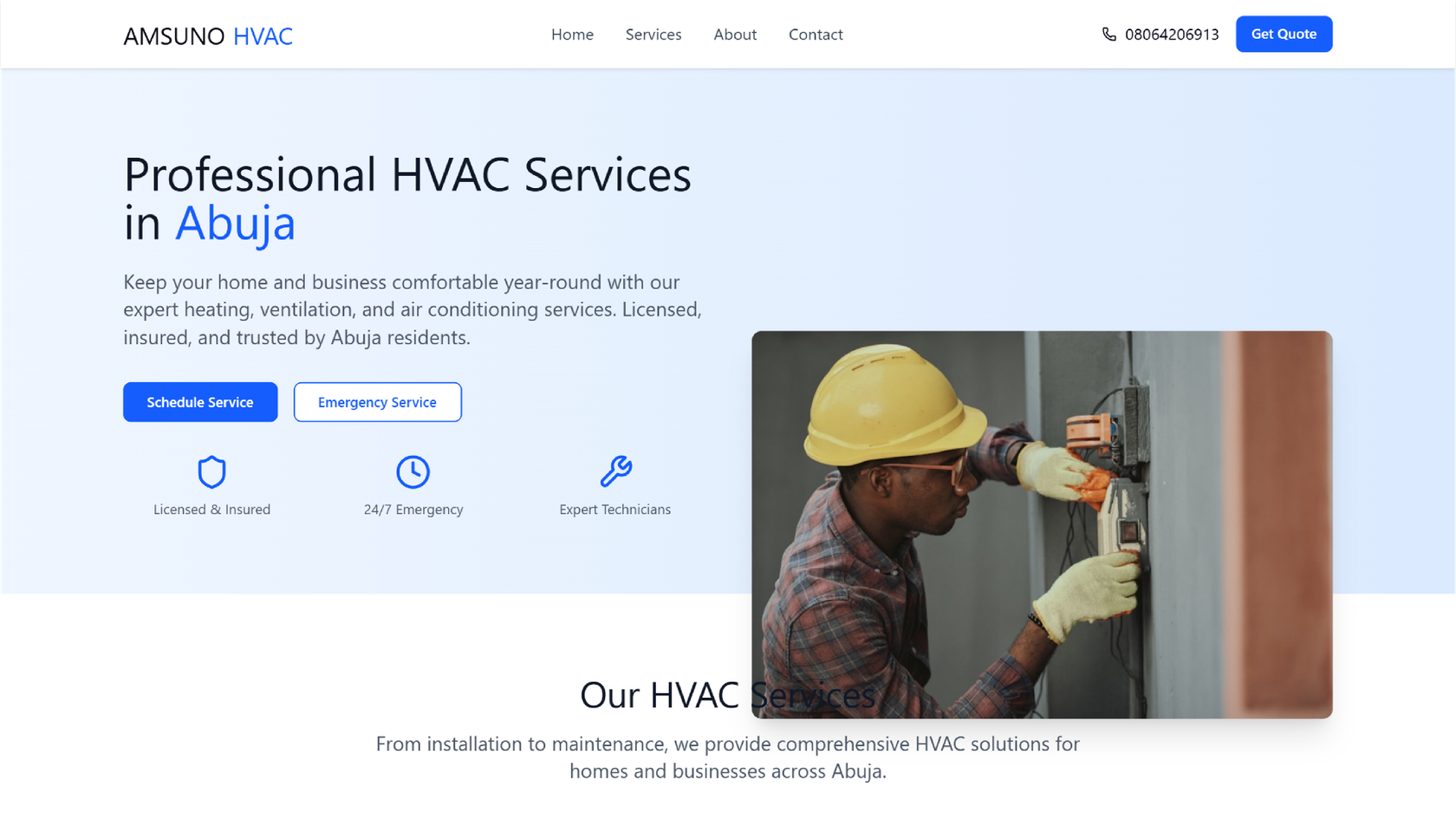


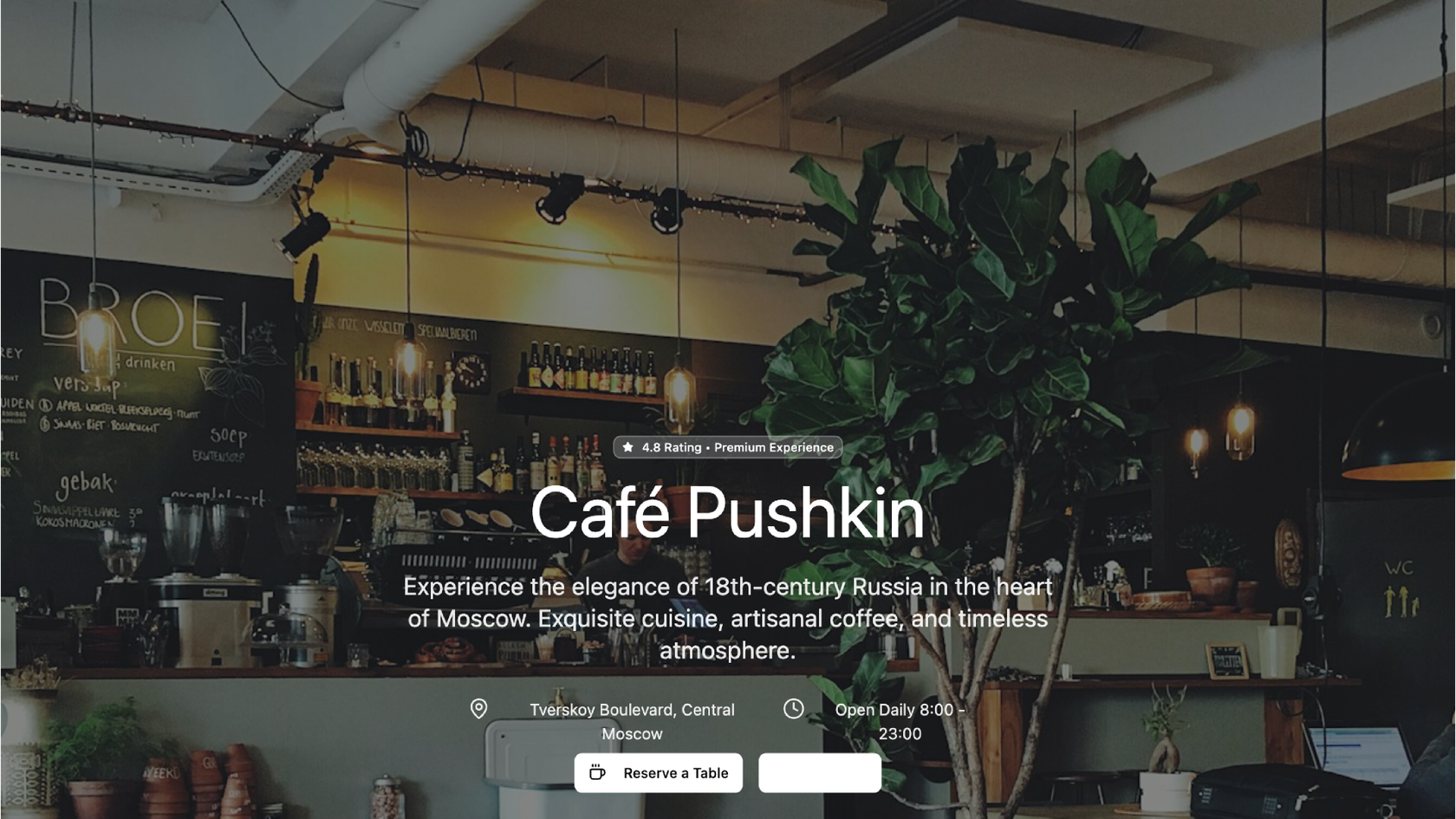

How to build an AI education website in Figma Make
FAQs
From the blog
Workflow lab: Deploying designs directly with Figma Make
The handoff from design to code doesn't have to be a one-way street. This workflow shows how a designer can connect a codebase to Figma Make, make the changes directly, and bring the whole team into review—right up to the PR.

How Decagon uses AI for design system saturation
The fast-growing customer experience platform explains how Figma MCP and Figma Make helped them scale a new design system and keep pace with customer requests.
GPT-5.6 is now available in Figma Make
With accurate first results and fast iterations, OpenAI’s GPT-5.6 gives your builds a strong start in Figma Make.

Got skills? Make the Figma agent a better collaborator
From sharing your best thinking to learning from your team’s go-to prompts, here’s what skills unlock in the Figma agent.

4 ways we’re using our MCP server at Figma
The Figma MCP server reaches further across the platform than it ever has. From updating a living deck to shipping a design to production—here's what that looks like in practice.


4 new ways to go from idea to product with AI tools
AI tools are changing how teams build products—from where they start to what carries through to production. Here's what that shift looks like across four organizations.