Professional editing meets generation
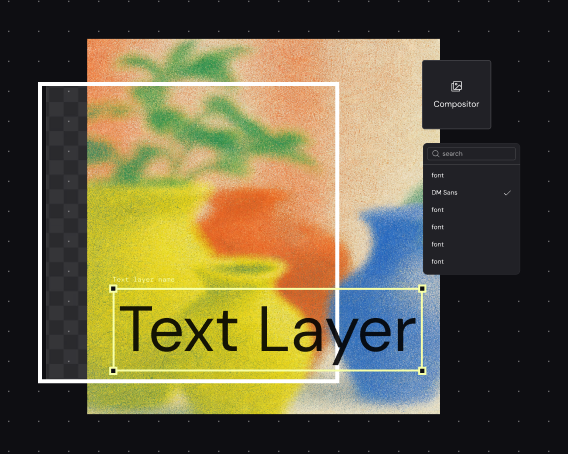
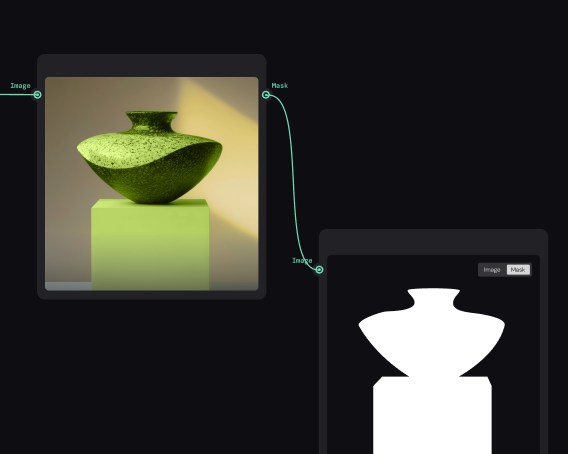
Refine compositions without leaving the canvas. Adjust lighting, composite elements, mask subjects, and color grade frames — the same tools used in production, built into your storyboard pipeline.
Skip to main content
From script to visual sequence — every model, one canvas, no switching.

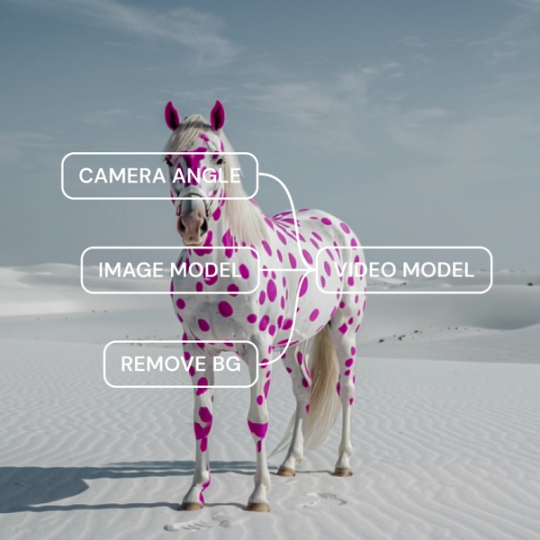
Weave connects script breakdowns to visual generation in a single pipeline. Generate frames, refine compositions, and sequence shots — all on one canvas where your creative direction stays visible and editable.
Refine compositions without leaving the canvas. Adjust lighting, composite elements, mask subjects, and color grade frames — the same tools used in production, built into your storyboard pipeline.

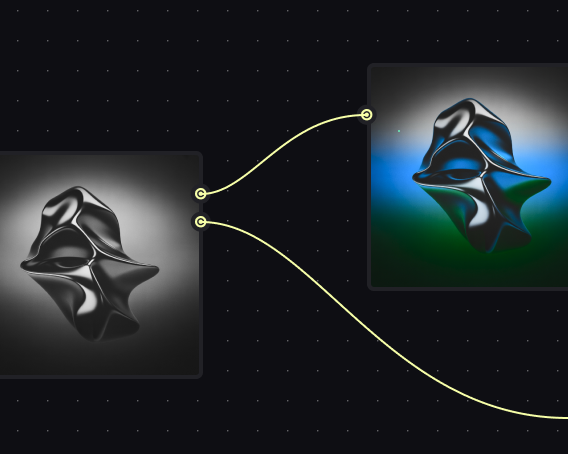
Script notes, shot descriptions, and generation prompts live on the same canvas. Trace how each frame was built, adjust individual nodes, and keep your creative vision explicit — not buried in prompt history.

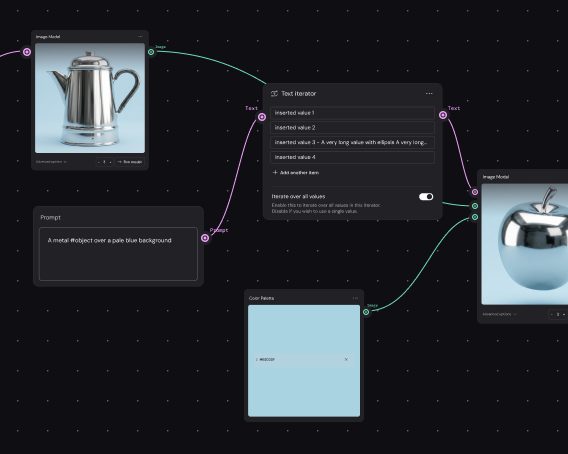
Build a storyboard pipeline once and run it across scenes, episodes, or projects. Consistent character references, lighting setups, and composition rules carry forward without rebuilding from scratch.

Package your storyboard workflow into a simplified tool. Writers input scene descriptions and get visual frames — same quality standards, no need to learn the full pipeline or wait on a single artist.
More resources
See how the Figma Community is using Figma Weave to create AI-generated images, video, and 3D.
An AI storyboard generator uses machine learning models to create visual frames from written descriptions or scripts. Figma Weave takes this further by connecting multiple AI models in a node-based pipeline, letting you generate, edit, and sequence frames in one place.
Weave lets you build a visual pipeline where script notes connect to image generation nodes. You control which models generate each frame, add editing steps for composition and lighting, and sequence outputs into a complete storyboard — all visible on the canvas.
Yes. Figma Weave supports workflows where scene descriptions feed directly into image generation. You can break down scripts into shot lists, generate frames for each, and refine them with built-in editing tools — keeping the whole process connected.
You can get started with Figma Weave for free. Advanced features and higher usage limits are available on paid plans, giving you access to more models and larger projects.
Figma Weave is built for exactly this. Generate frames, refine compositions with professional editing tools, and preview motion with video models — all in one workflow. The pipeline approach means your storyboards connect naturally to later production stages.
Weave's node-based system lets you create character reference nodes that feed into every frame generation. Your character descriptions, visual references, and style guides stay connected throughout the pipeline, ensuring consistency across an entire sequence.

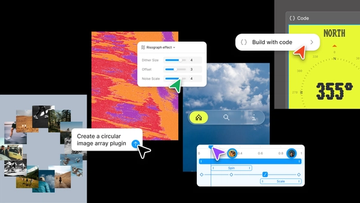
Push past what you thought was possible with code layers, Figma Motion, shaders, generative plugins and Weave tools, all on the canvas.

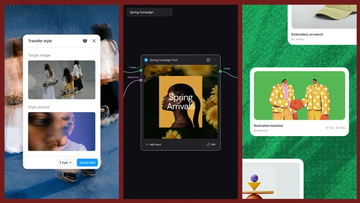
Today, we’re announcing new ways your Weave creative workflows can live alongside your Figma frames.
Aleph 2.0 brings frame-level creative direction to the Figma Weave canvas.

Lead Product Designer at Dropbox Sara Clayton used Figma Weave to add dimension to an Ideal Customer Profile in under two minutes. Steal her template to make your users feel real.

To build upon a visual language with AI, you need to harness the logic behind each prompt—building, editing, and directing how visuals come to life. Here, we share five creative workflows that show the breadth of what the Figma Weave canvas can do.
For our annual April Fun Day, we used Figma Make, Weave, and MCP to build six mini games that captured the spirit of play. Here’s what we learned.