
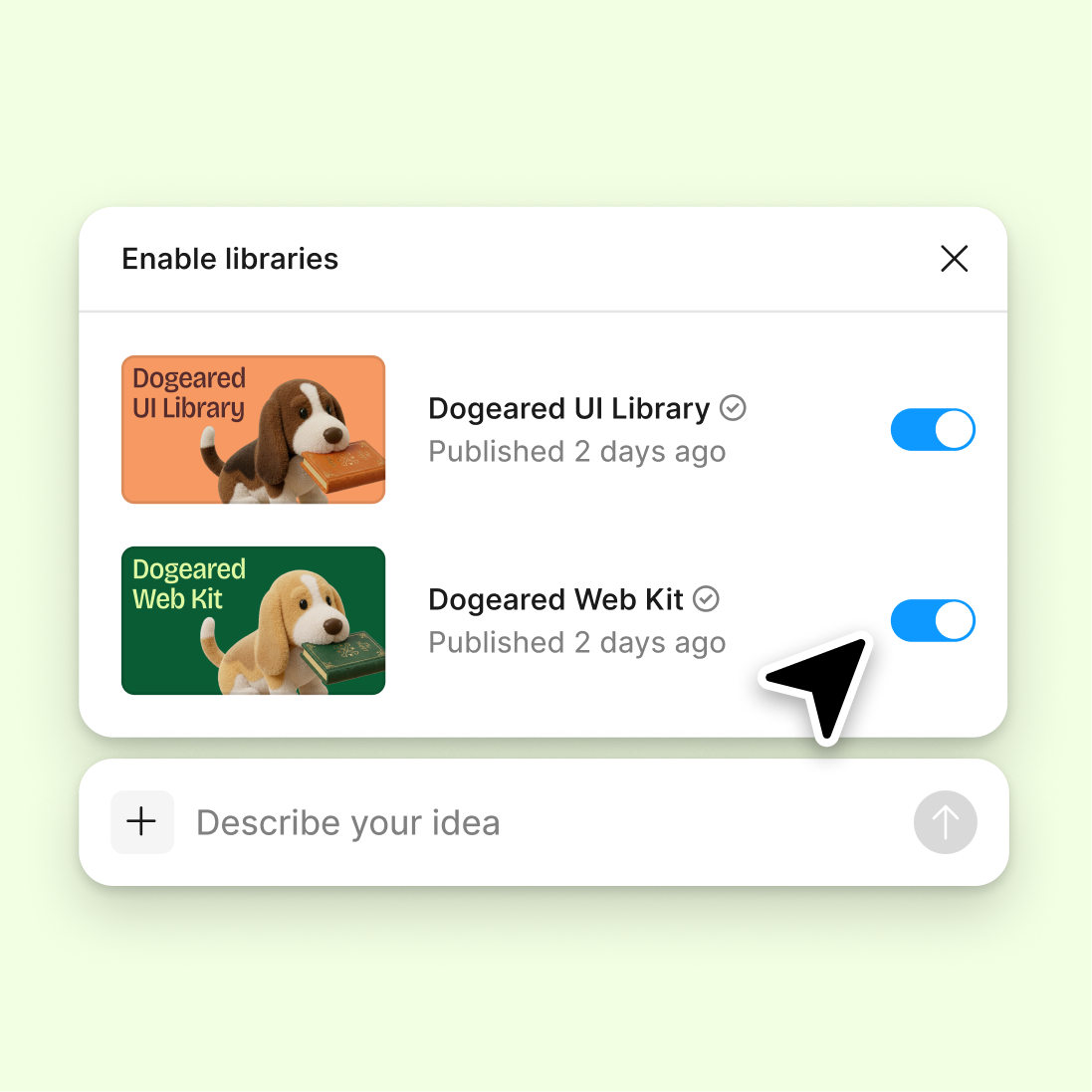
Connect to a design library
Generate and refine using your actual components, tokens, and variables—not placeholder UI you'll have to swap out later.
Skip to main content
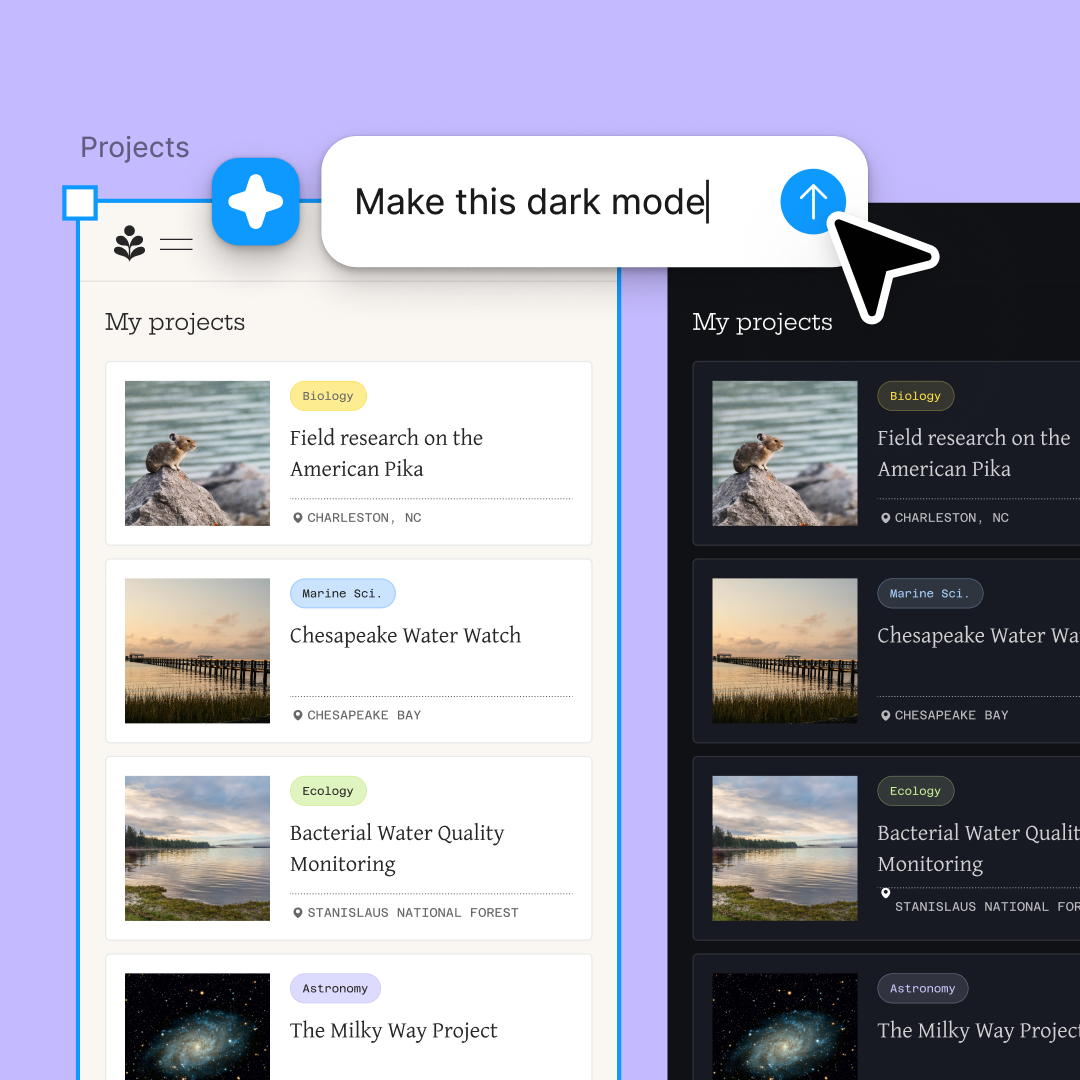
Tell Figma's agent what to change—spacing, copy, color, a whole component—and it applies the edit directly to your design layers in Figma Design. Describe it once, see it done.











Skip the manual tweaking. Figma's agent reads your prompt and updates your existing design layers on the canvas, so you go from 'this isn't quite right' to a design that works.

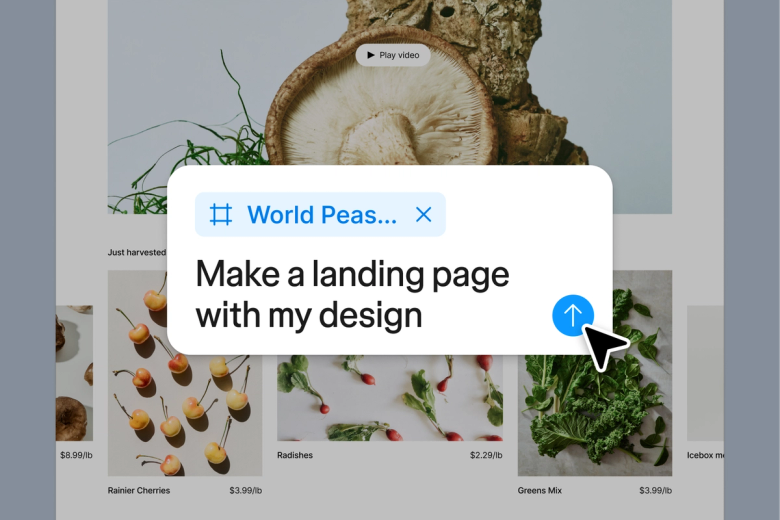
Describe the change instead of making it by hand—adjusting spacing, rewriting copy, swapping a component—and keep your focus on the design, not the clicks.

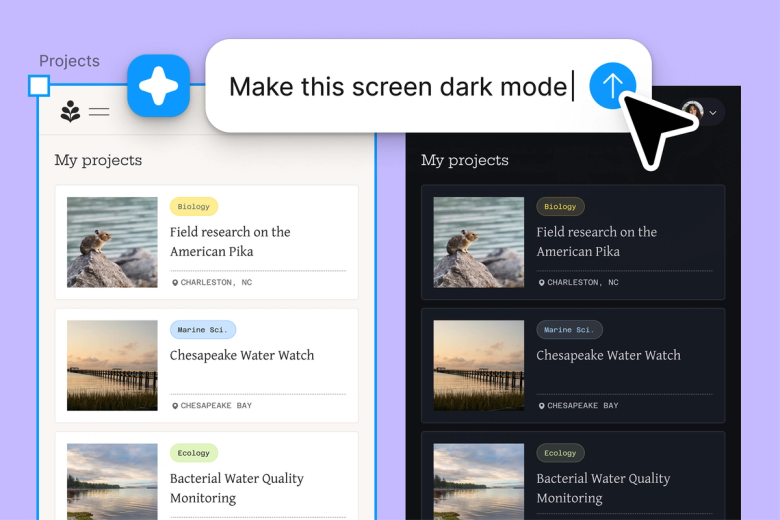
Prompt to edit works on the design you already have, applying changes to your real layers, text, and components instead of generating something new to rebuild.

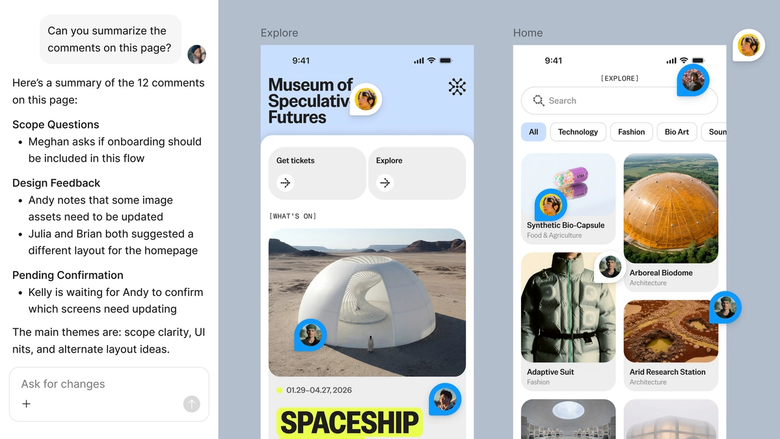
Set guardrails in your prompt—what to change, what to leave alone—and select specific layers first, so the agent edits exactly what you mean and nothing else.
A closer look at what sets Figma's agent apart, built for the way design teams actually work.
Generate and refine using your actual components, tokens, and variables—not placeholder UI you'll have to swap out later.

Run multiple prompts at once so you're evaluating directions in parallel, not burning time on each one in sequence.

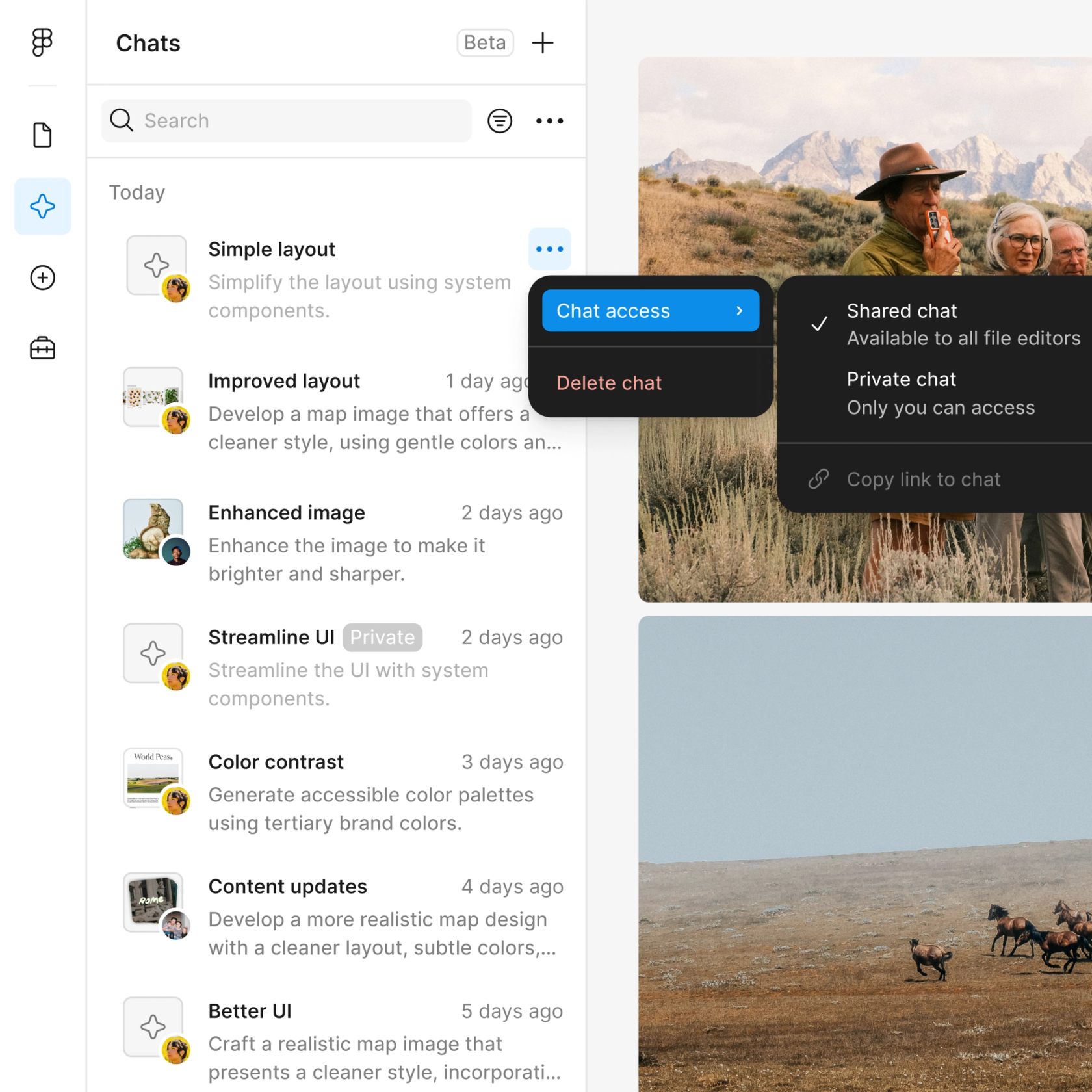
Share a thread and your team sees the full prompt, context, and iteration history behind any design. No separate handoff needed.

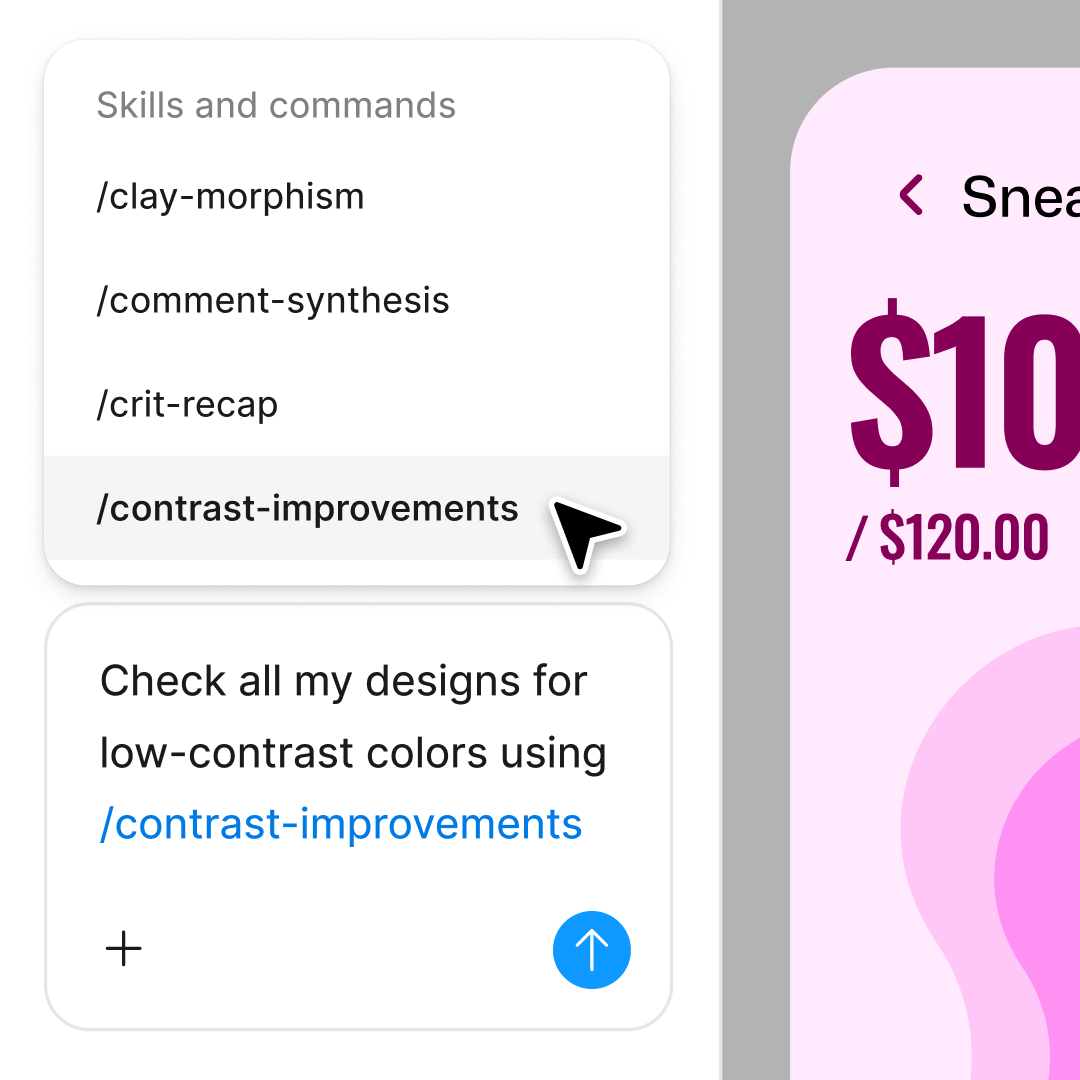
Package your team's workflows and conventions into reusable /commands anyone can run on demand.
Figma feels like a natural extension of my hand. I do my design ideation on the canvas, and now the agent takes it the last mile. With my design libraries connected, I can move from design to code faster than ever before.
Andy Madrick
Product Designer, Notion

Open your file in Figma Design and select the layers, text, or frame you want to change.
Tell the agent what to change and what to keep—'update the button label but keep the style.' The more specific, the better.
Check the edit on your canvas. Not exactly there? Refine in the same thread or try a parallel one.
Everything stays editable, so you can fine-tune by hand or prompt again until it's what you want.
Watch Figma's AI Agent in action and see how to put it to work in your own workflows.

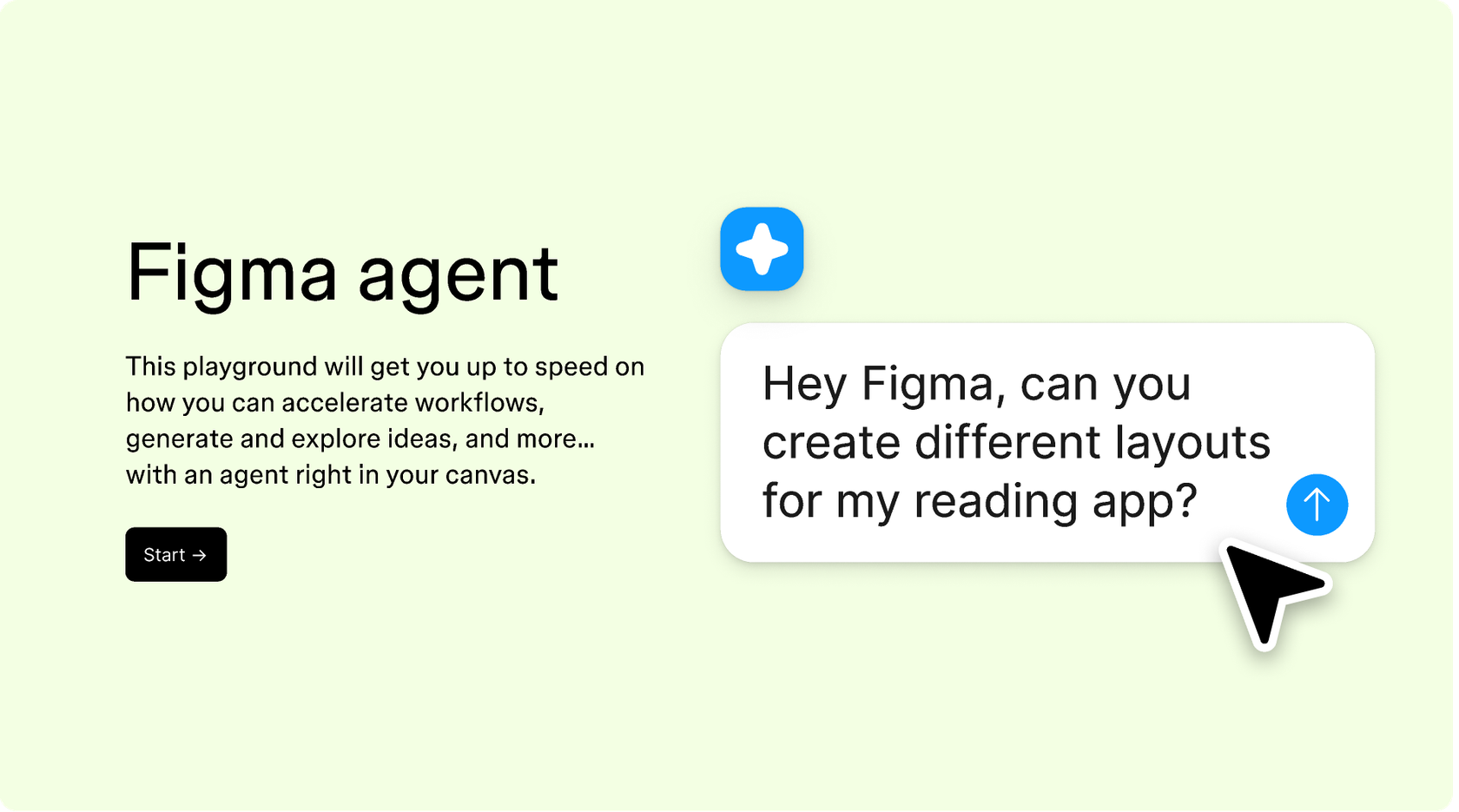
Hands-on playground to explore Figma agent's capabilities — from bulk edits to feedback implementation — with step-by-step guidance built right in.
Learn how to use Figma agent in your design workflows with a step-by-step tutorial from the Figma team.
Prompt to edit is a short text instruction you give Figma's agent to change your existing design layers, text, or images on the canvas. Instead of editing manually, you describe what you want updated—adjusting spacing, rewriting copy, refining a component—and the agent applies it. It's the fastest way from "not quite right" to a design that works.
The more specific your prompt, the better. Name the element, the change, and any constraints to keep—like "update the button label to 'Get started' but keep the existing style." Vague instructions like "make it better" don't give the agent enough detail. So always try to be explicit about exactly what should shift, including wording, layout, color, or hierarchy.
Add guardrails in your prompt. Tell the agent what to leave alone, like "don't change the background," "keep the component structure intact." You can also select specific layers on the canvas before prompting, so the agent knows exactly what's in scope.
Iteration is part of the flow. Follow up with a more specific prompt in the same thread, or open a parallel one to explore a different direction. You can run multiple threads at once in Figma Design, so you're never stuck waiting on one idea to work out.
Figma's agent is available on all paid Figma plans. You'll find it in the left navigation bar in Figma Design. During the current open beta, it doesn't consume AI credits—so it's a good time to explore, experiment, and share your feedback.
Build faster with Figma's agent


