
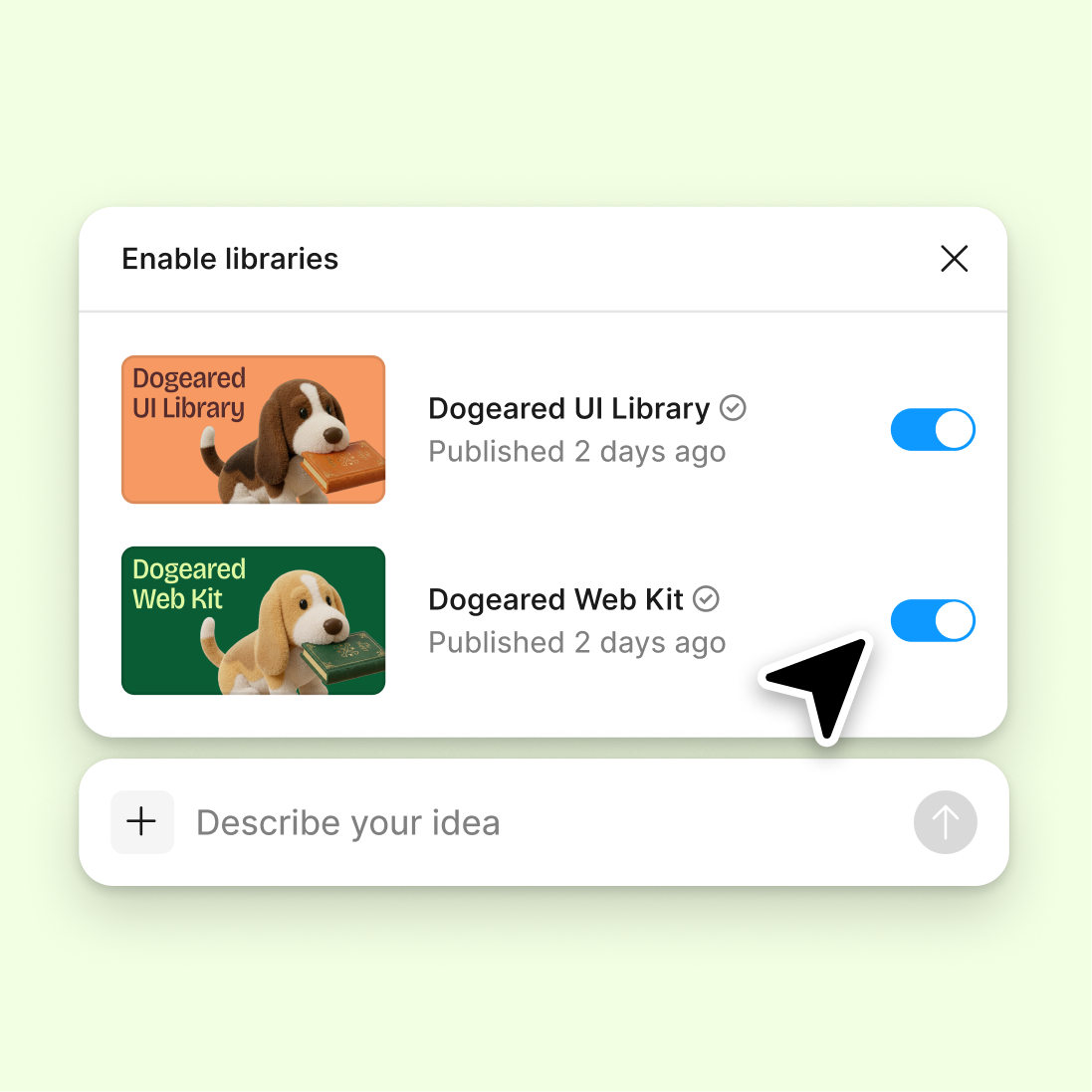
Connect to a design library
Generate and refine using your actual components, tokens, and variables—not placeholder UI you'll have to swap out later.
Skip to main content
Turn JPEGs, PNGs, and raster graphics into scalable, editable vectors with Figma's agent—directly in Figma Design. No round trips to a separate tool, no rebuilding paths by hand.











Figma's agent converts raster images to vectors on your canvas, keeping you in your design flow and your files intact.

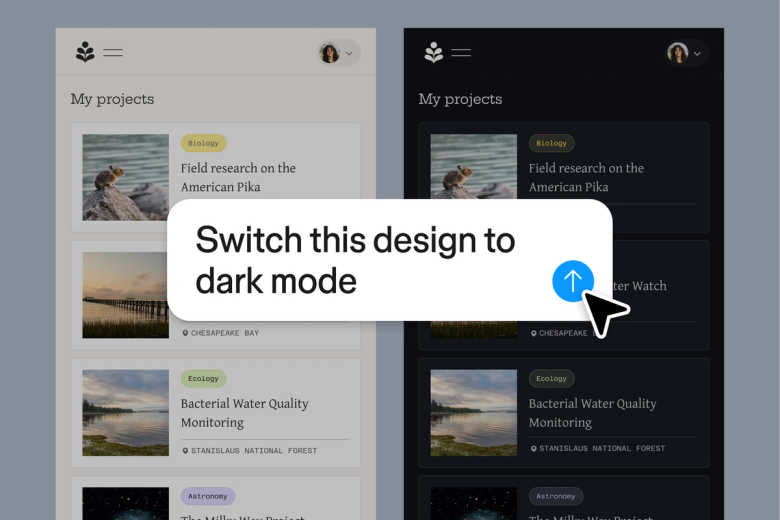
Figma's agent works as an image vectorizer right on your canvas, converting raster graphics to editable paths without exporting to another tool and importing the result back into your file.

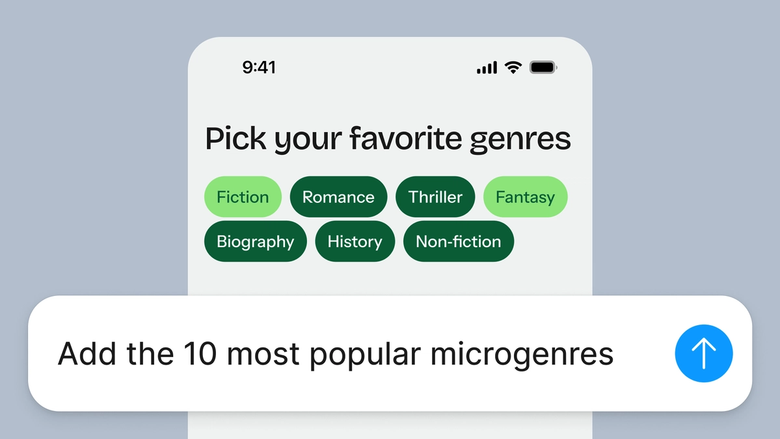
Skip the tedious manual tracing. Describe what you need—clean outlines, simplified shapes, detailed paths—and let the agent handle the conversion while you focus on your design.

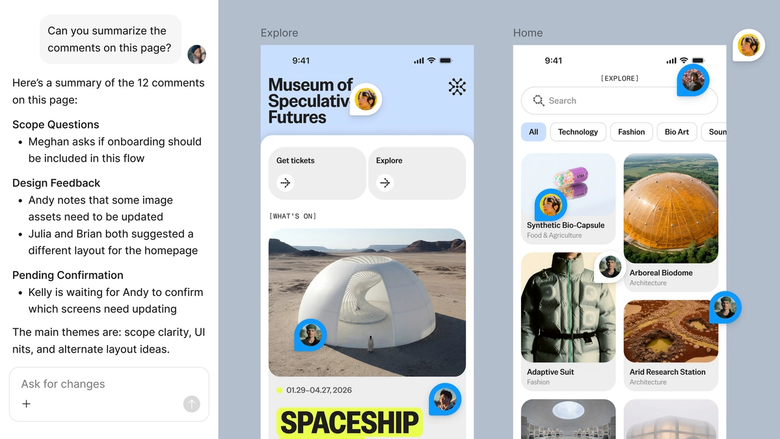
Vectorized assets appear in the same file your team works in, so everyone sees the latest version and can use it right away. Nothing gets lost in an export or file transfer.
A closer look at what sets Figma's agent apart, built for the way design teams actually work.
Generate and refine using your actual components, tokens, and variables—not placeholder UI you'll have to swap out later.

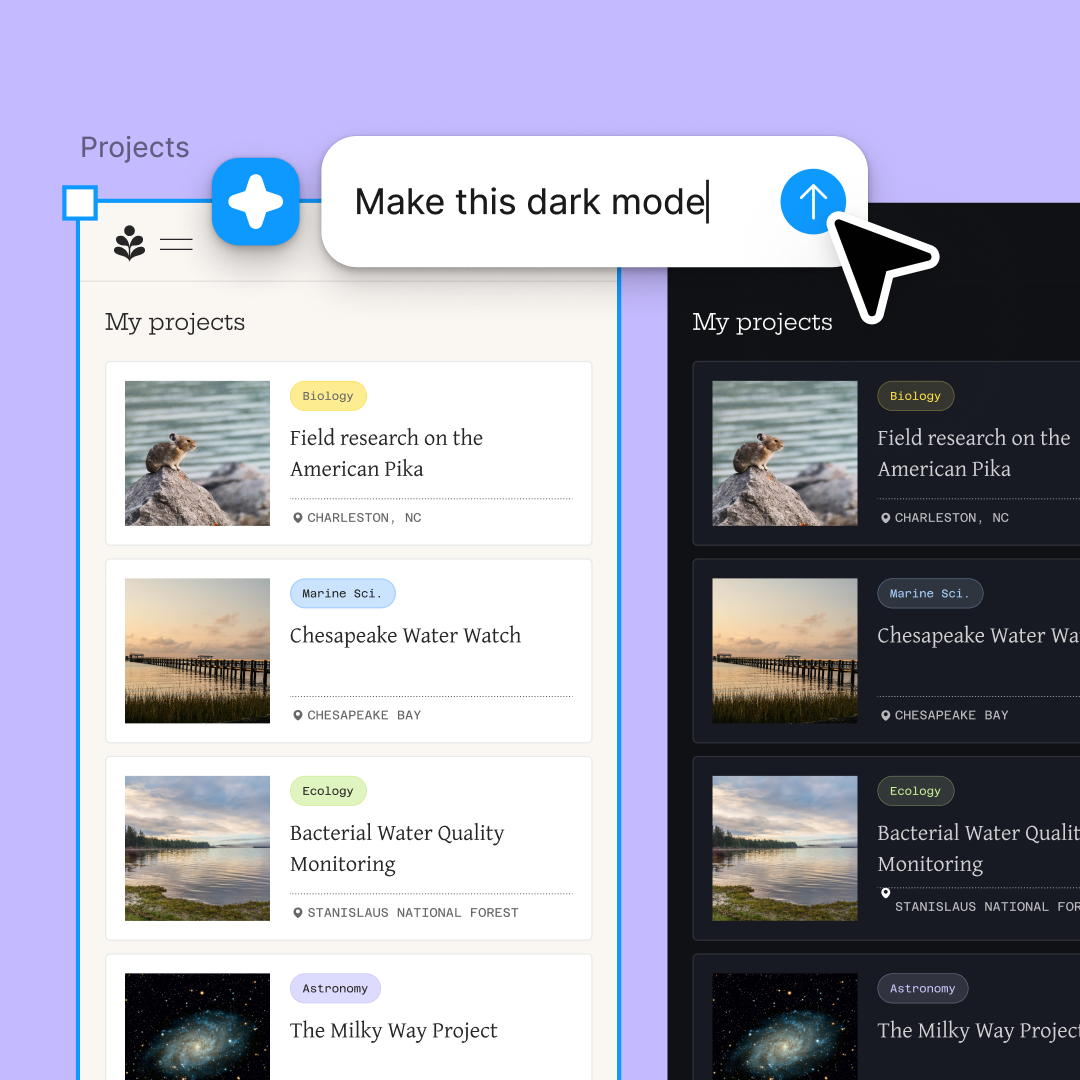
Run multiple prompts at once so you're evaluating directions in parallel, not burning time on each one in sequence.

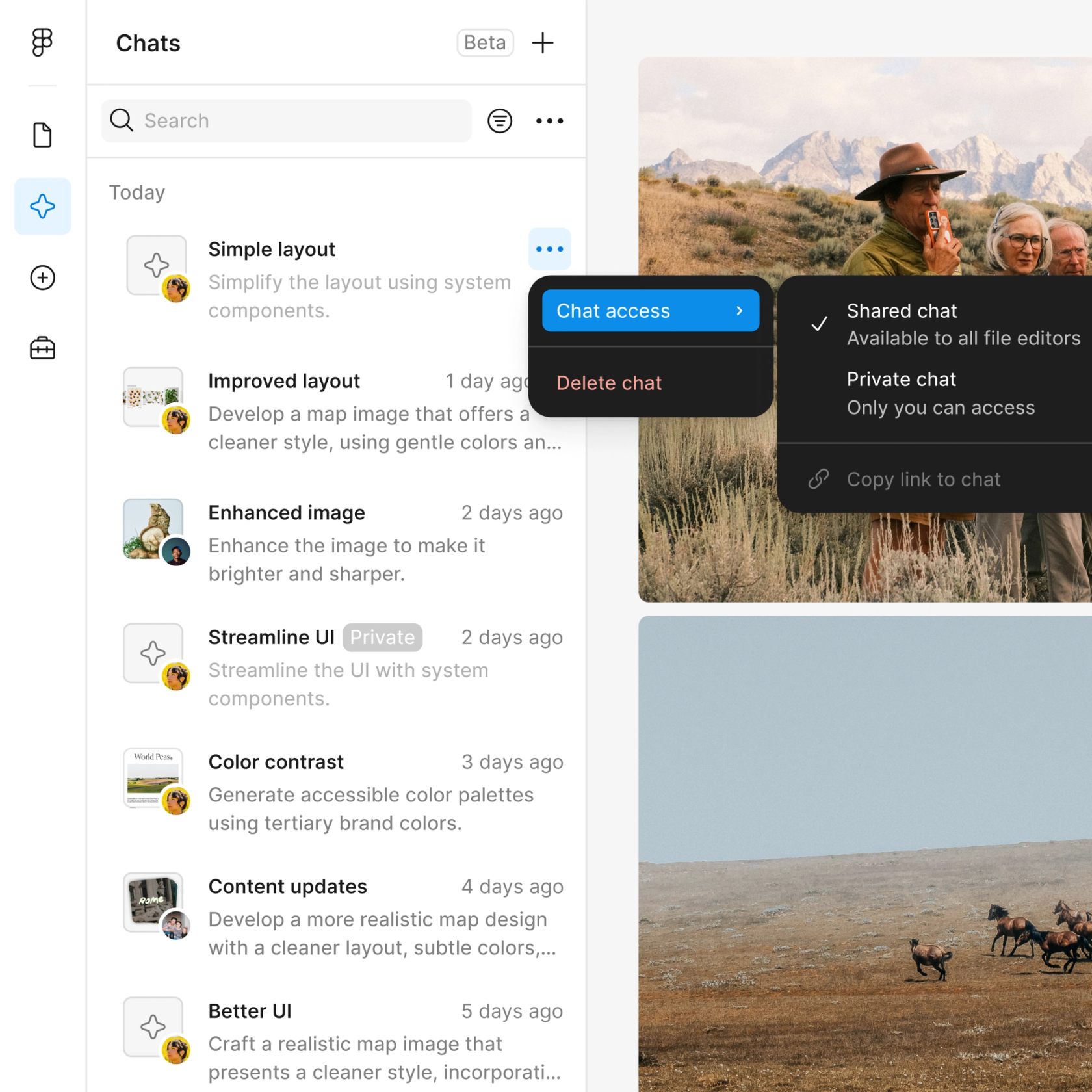
Share a thread and your team sees the full prompt, context, and iteration history behind any design. No separate handoff needed.

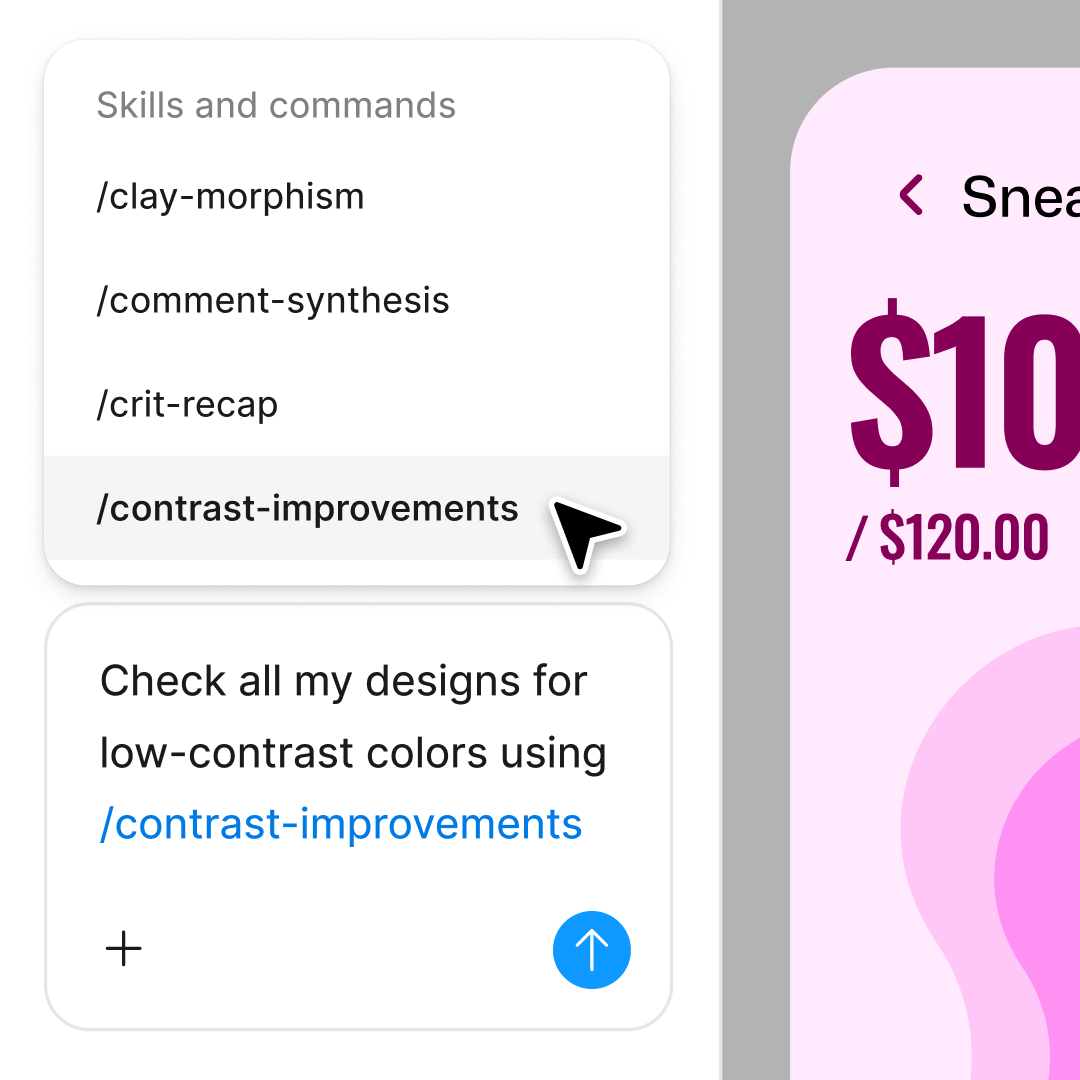
Package your team's workflows and conventions into reusable /commands anyone can run on demand.
Figma feels like a natural extension of my hand. I do my design ideation on the canvas, and now the agent takes it the last mile. With my design libraries connected, I can move from design to code faster than ever before.
Andy Madrick
Product Designer, Notion

Drop the JPEG, PNG, or other raster image onto your canvas in Figma Design, or select one already in your file.
Tell the agent how to vectorize—simplified shapes, detailed outlines, or specific elements only. The more specific, the better the result.
Check the converted paths on your canvas. Not quite right? Refine in the same thread or try a different approach in a parallel one.
Everything stays editable as vector paths, so you can adjust anchors, simplify shapes, or prompt again until it's exactly what you need.
Watch Figma's AI Agent in action and see how to put it to work in your own workflows.

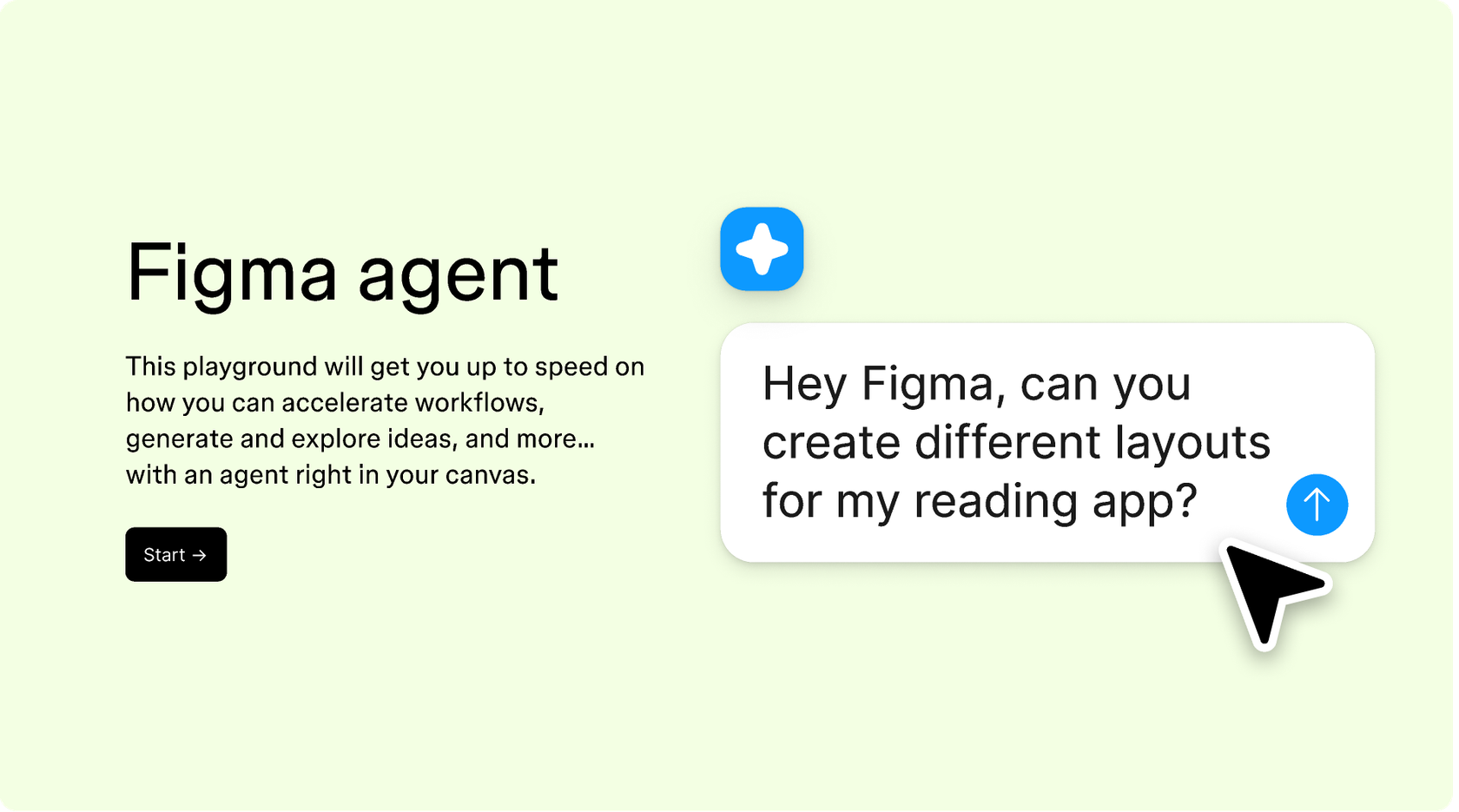
Hands-on playground to explore Figma agent's capabilities — from bulk edits to feedback implementation — with step-by-step guidance built right in.
Learn how to use Figma agent in your design workflows with a step-by-step tutorial from the Figma team.
Vectorizing an image means converting pixel-based raster graphics into scalable vector paths made of mathematical curves and shapes. Unlike raster images that blur when enlarged, vectors stay crisp at any size. Figma's agent can handle this conversion directly on your canvas, turning JPEGs or PNGs into editable paths you can scale, recolor, and refine.
Yes, AI can vectorize images by analyzing the shapes, edges, and colors in a raster graphic and generating corresponding vector paths. Figma's agent does this directly in Figma Design, converting your images to editable vectors without requiring a separate tool. The results land on your canvas as paths you can adjust by hand.
The easiest way is to use an AI-powered tool that handles the tracing automatically. With Figma's agent, you add your raster image to the canvas, describe how you want it vectorized, and the agent converts it in place. You can refine with follow-up prompts until the paths match what you need—no manual tracing required.
JPEG compression can introduce artifacts that make clean vectorization harder. Low-resolution or heavily compressed images may produce jagged or overly complex paths. Photographic images with gradients and subtle shading are more challenging than graphics with solid colors and clear edges. Figma's agent works best with clear source images, and you can prompt for simplification if results are too detailed.
Figma's agent is available on all paid Figma plans. You'll find it in the left navigation bar in Figma Design. During the current open beta, it doesn't consume AI credits—so it's a good time to explore, experiment, and share your feedback with us.
Build faster with Figma's agent


