
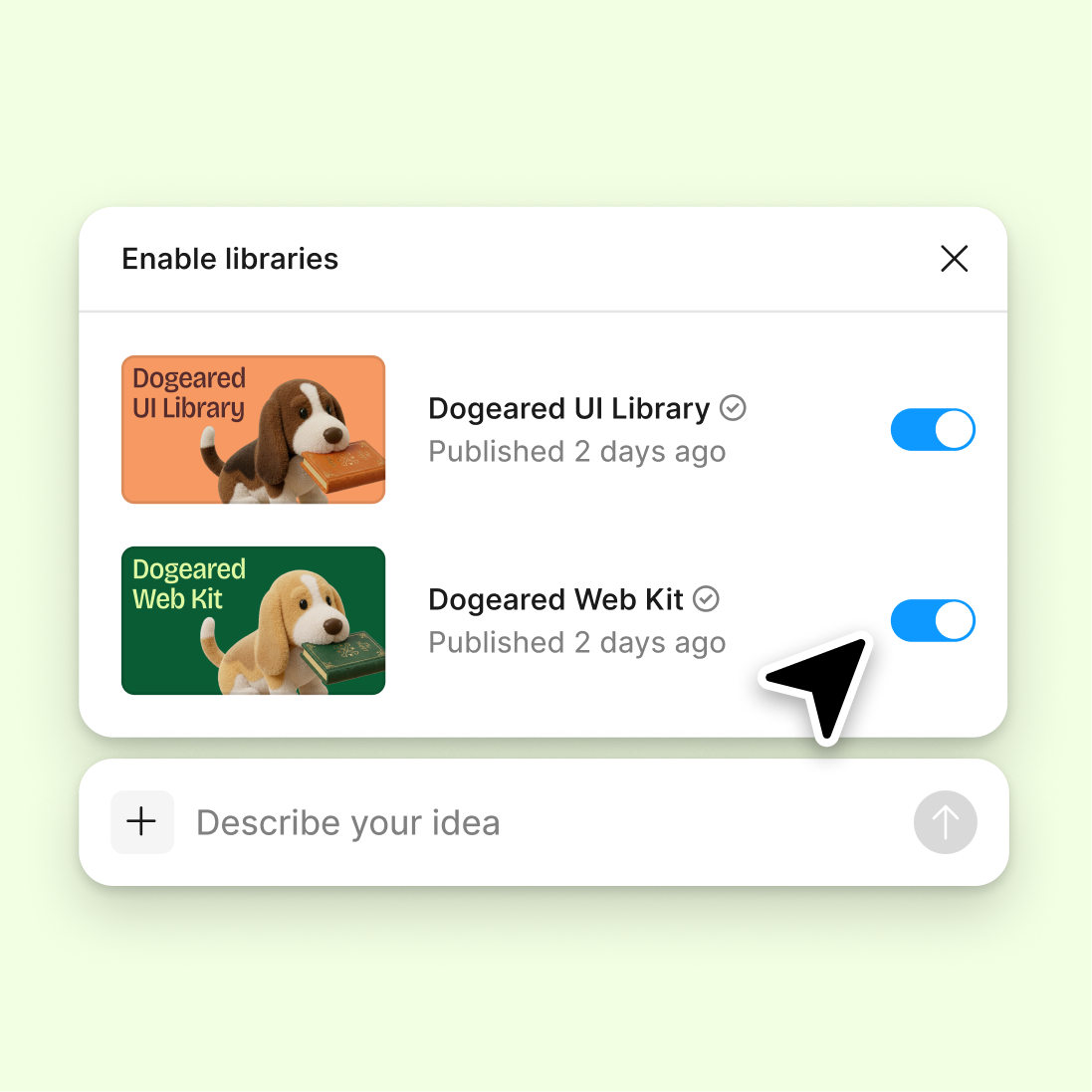
Connect your design library
Point the agent to your design system so every generated screen uses your real components, tokens, and styles—not placeholder UI you'll need to replace.
Skip to main content
Figma's agent helps you move from concept to prototype faster—generating ideas, exploring variations, and keeping your team aligned in the same file. Run your design sprint without switching tools.











Figma's agent accelerates every phase of your sprint, from ideation to validation, right where your team already works.


Generate multiple design directions simultaneously using your real components and styles. The agent produces high-fidelity concepts you can build on immediately—not rough sketches you'll need to rebuild from scratch.

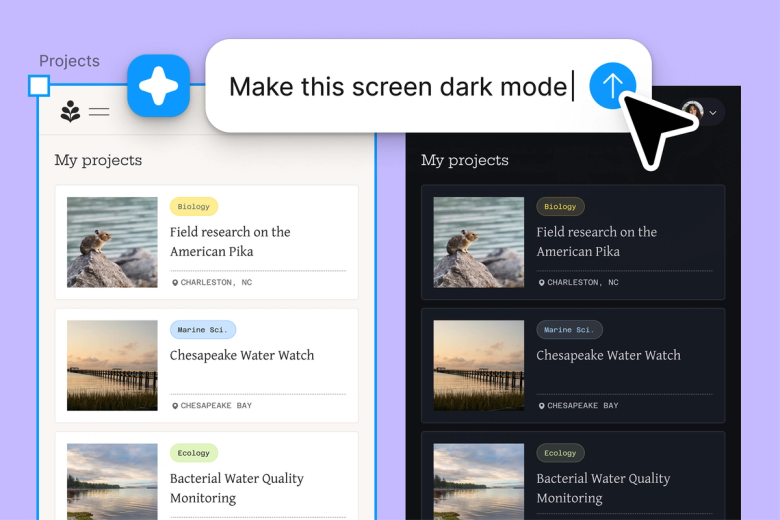
Hand off repetitive sprint tasks—scaffolding screens, filling content, generating variations—so you can focus on the decisions that shape your product. Less clicking, more thinking.

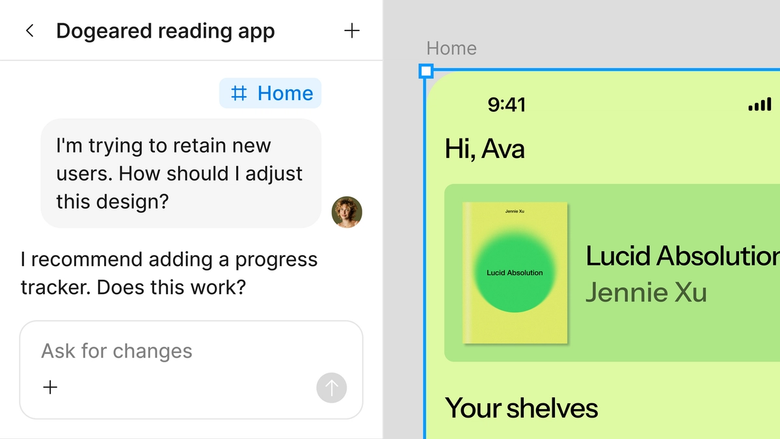
Every sprint artifact lives in the same file your team works in. Stakeholders see the latest version, developers can inspect details, and no one loses context waiting for an export or handoff.
A closer look at what sets Figma's agent apart, built for the way design teams actually work.
Point the agent to your design system so every generated screen uses your real components, tokens, and styles—not placeholder UI you'll need to replace.

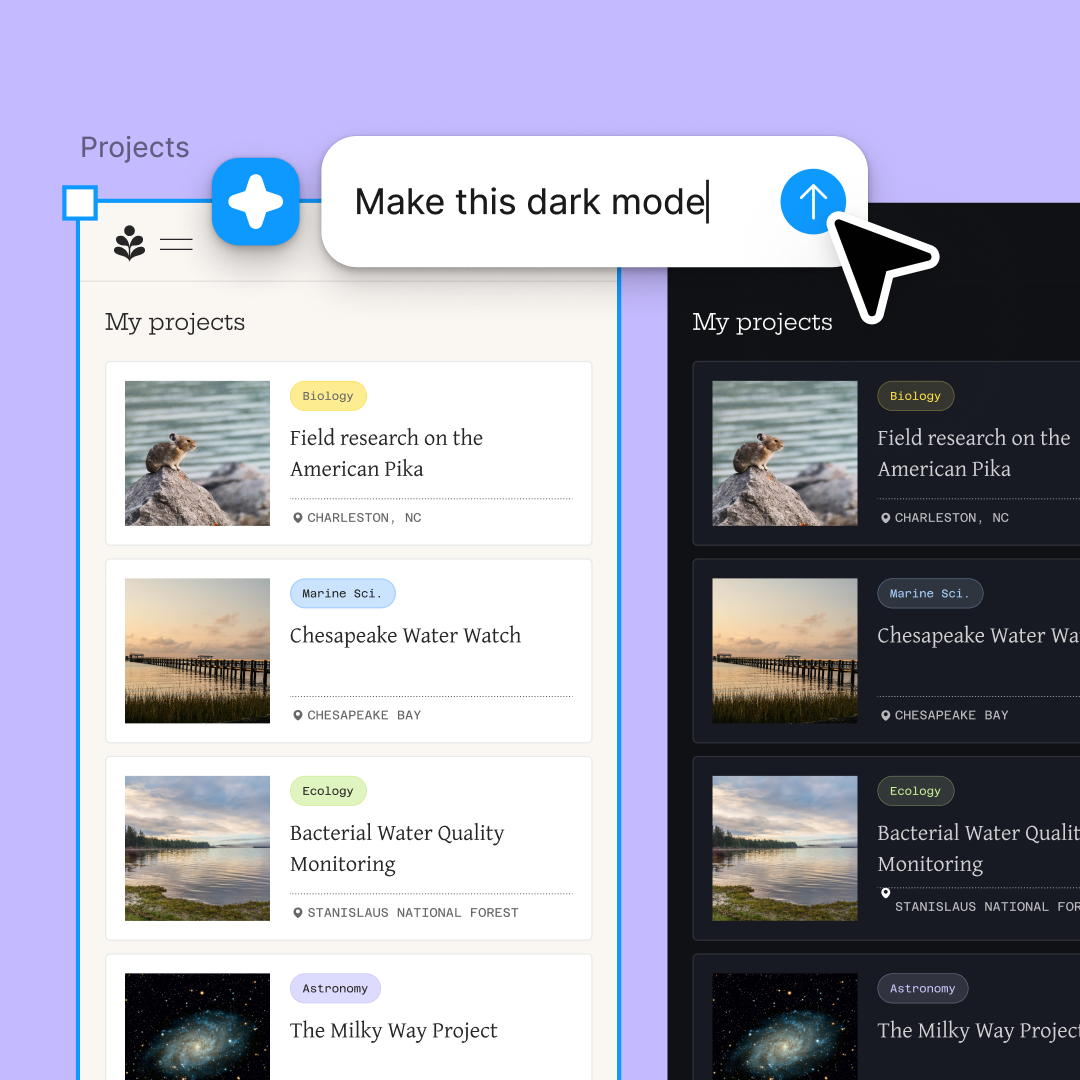
Explore multiple sprint directions at once. Kick off several concepts simultaneously and compare results on the same canvas without waiting.

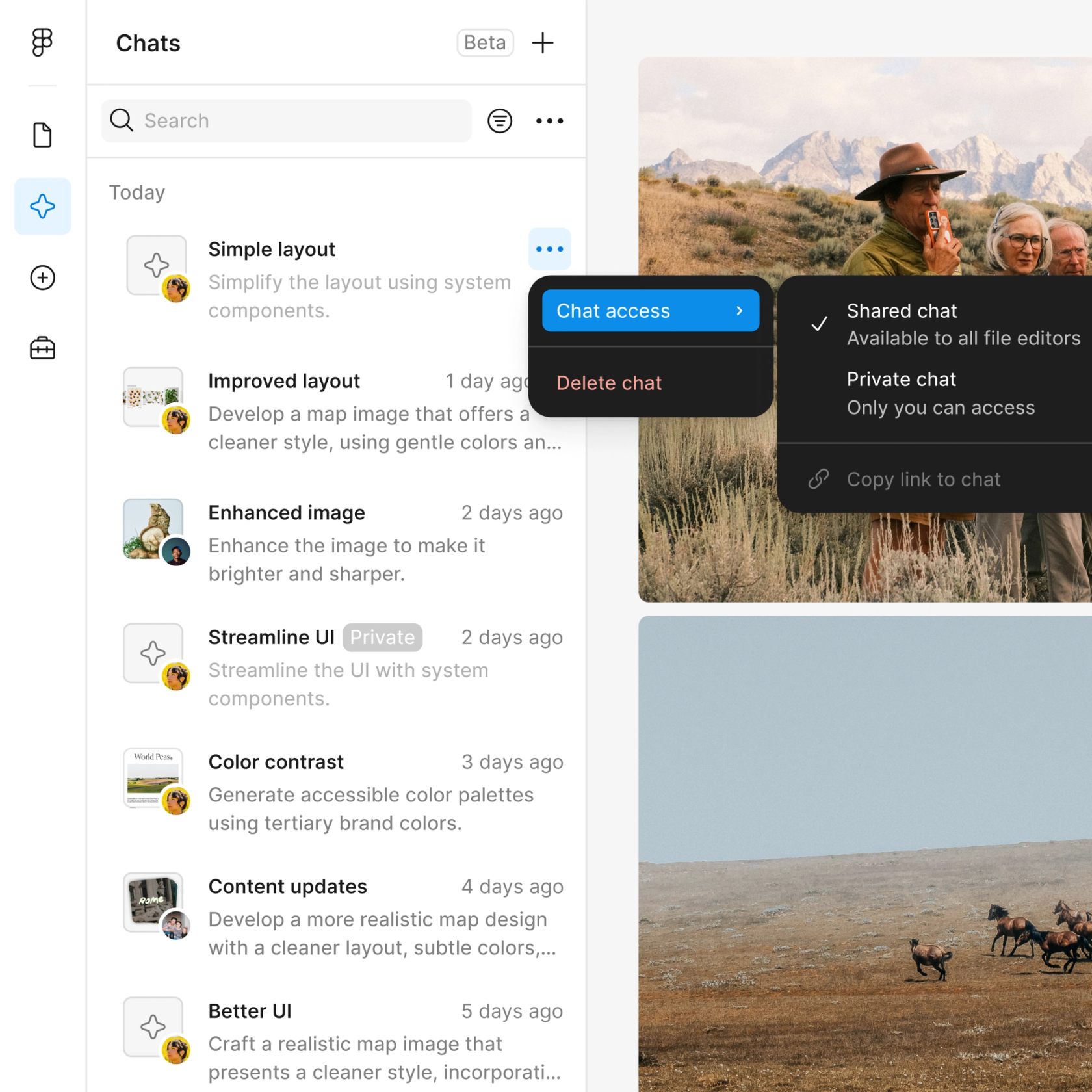
Share a thread and your team sees the full prompt, context, and iteration history. No separate documentation or handoff needed.

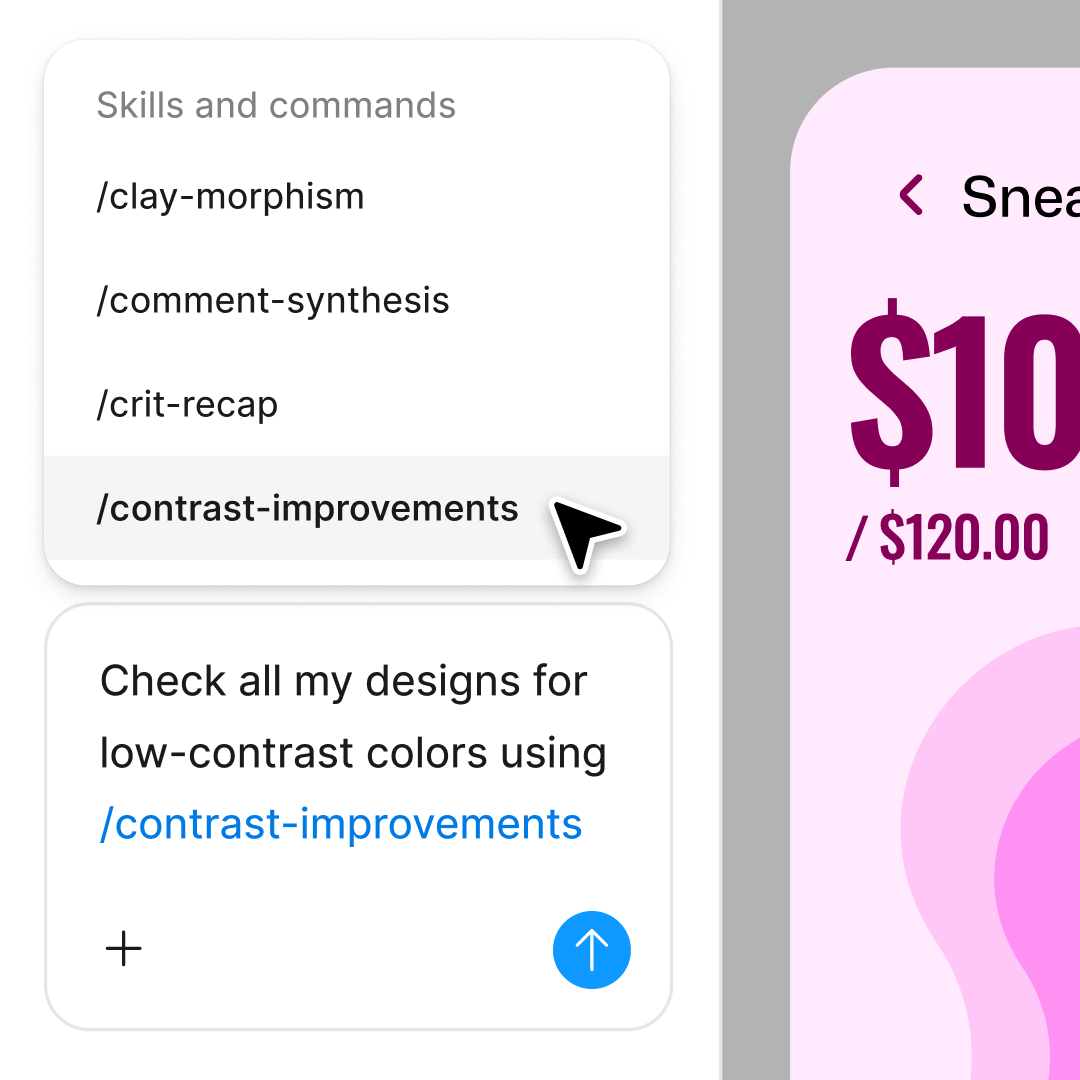
Turn your best sprint workflows into reusable commands. Run them again next sprint or share them across your team.
Figma feels like a natural extension of my hand. I do my design ideation on the canvas, and now the agent takes it the last mile. With my design libraries connected, I can move from design to code faster than ever before.
Andy Madrick
Product Designer, Notion

Select Agents in the left side rail or hit CMD + Enter. Add a frame to your canvas to work in.
Tell the agent what to generate—a landing page concept, a user flow, a set of variations. Point it to your design library for on-brand results.
Check the output directly in your file. Refine in the same thread or start a parallel one to explore a different direction.
Prompt again until the result is right. Everything stays editable, so you can fine-tune by hand or run another sprint cycle.
Watch Figma's AI Agent in action and see how to put it to work in your own workflows.

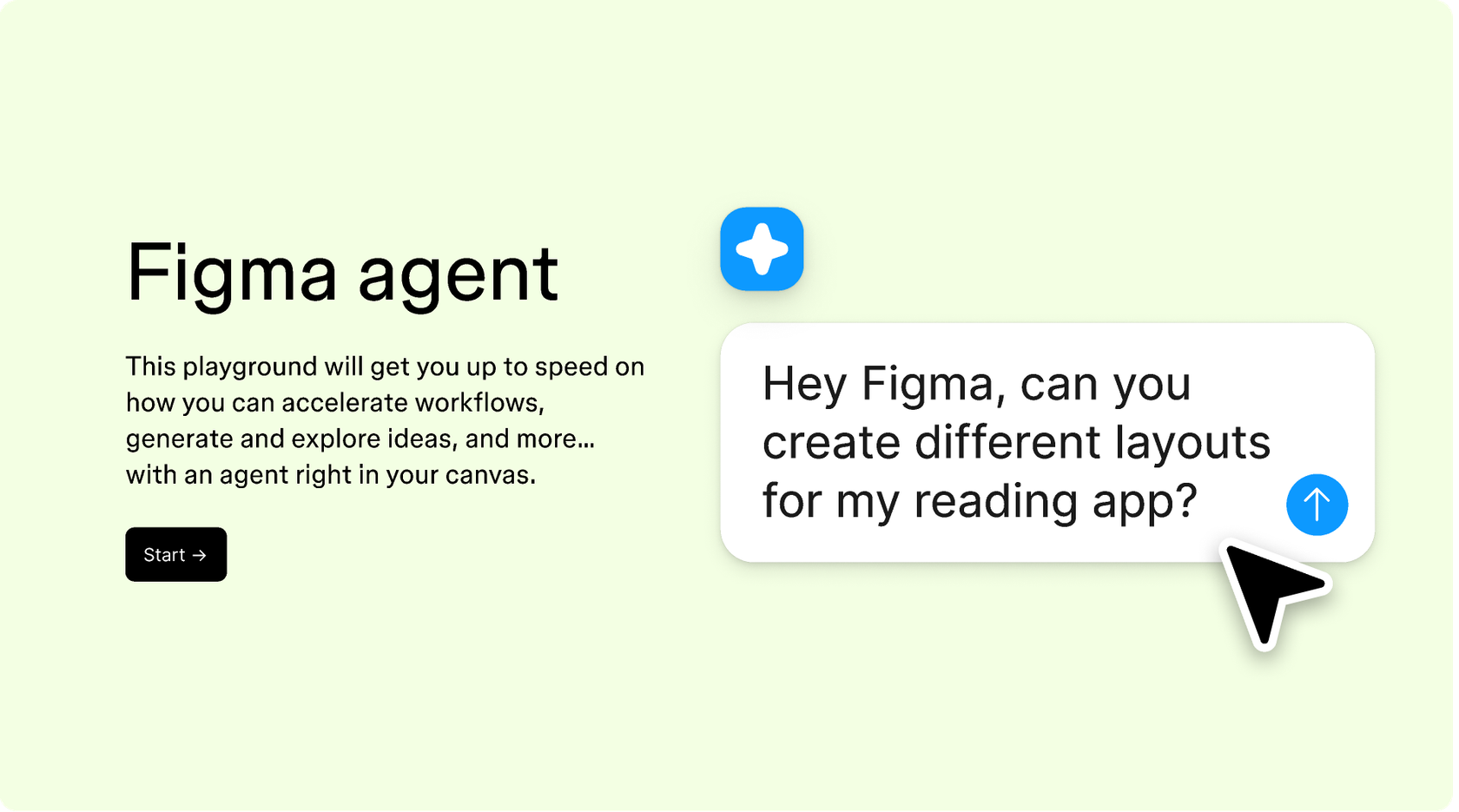
Hands-on playground to explore Figma agent's capabilities — from bulk edits to feedback implementation — with step-by-step guidance built right in.
Learn how to use Figma agent in your design workflows with a step-by-step tutorial from the Figma team.
An AI design sprint assistant helps teams move through the sprint process faster by generating concepts, exploring variations, and automating repetitive tasks. Figma's agent works directly on your canvas, so you can ideate, prototype, and iterate without switching between tools or rebuilding work.
AI accelerates the most time-consuming parts of a sprint: generating initial concepts, producing variations for testing, and filling screens with realistic content. Figma's agent handles these tasks on the canvas while you focus on strategy and decision-making. The result is more exploration in less time.
Figma's agent can generate screen layouts, create component variations, fill designs with realistic content, scaffold user flows, and produce multiple directions in parallel. It handles the repetitive work so your team can focus on validating ideas and making decisions.
The timeline depends on your sprint scope, but AI assistance compresses the divergent phases significantly. Teams can explore more directions and produce higher-fidelity artifacts in the same window. Figma's agent runs prompts in parallel, so you're not waiting for one idea to finish before starting the next.
Figma's agent is available on all paid Figma plans. You'll find it in the left navigation bar in Figma Design. During the current open beta, it doesn't consume AI credits—so it's a good time to explore, experiment, and share your feedback with us.
Build faster with Figma's agent


